With less than two weeks left before the Nov. 3 midterm election, Medicaid has become one of the main fights in the race for the Senate. The issue is the Medicaid cuts in the 2025 budget law Republicans passed. In recent Senate debates in Alaska, Georgia, Iowa, Maine, Michigan and South Carolina, Democratic candidates attacked Republican opponents for supporting the law. They promised to restore the money if elected, Politico reported Monday 12.
Republicans have answered mostly by pointing to a $50 billion rural health fund added to the bill at the last minute 1. Critics say the fund is small next to the cuts. It also runs out in four years, while the Medicaid cuts are permanent 1.
What the law cuts, and who is affected
Medicaid is the health coverage program for people with low incomes, paid for jointly by the federal government and the states. The Congressional Budget Office (CBO) is Congress's nonpartisan scorekeeper. A Georgetown University analysis of CBO's estimates says the law cuts federal spending on Medicaid and CHIP, the Children's Health Insurance Program, by $990 billion over ten years before any offsets. The analysis calls these the largest Medicaid cuts in history 6.
CBO projects that about 10 million more people will be uninsured in 2034 because of the law. About 7.5 million of them would lose coverage because of the Medicaid and CHIP cuts 6.
The biggest single piece is a new work requirement. By Jan. 1, 2027, states must require adults covered through the Affordable Care Act's Medicaid expansion to log 80 hours a month of work or community service, unless they qualify for an exemption. States may start sooner 5.
The requirement applies through age 64. KFF, a nonpartisan health research group, notes that the law has no exemption for older adults 5. CBO estimates the work rules alone will cut federal Medicaid spending by $326 billion over ten years 5. Before overlaps with other provisions are counted, they would leave 5.3 million more people uninsured in 2034 6.
Maine: Collins defends her votes
In Maine, Republican Sen. Susan Collins used her Oct. 6 debate with Democrat Troy Jackson to point out that she voted against the bill on final passage. She also said she has "never voted" to cut Medicaid 3.
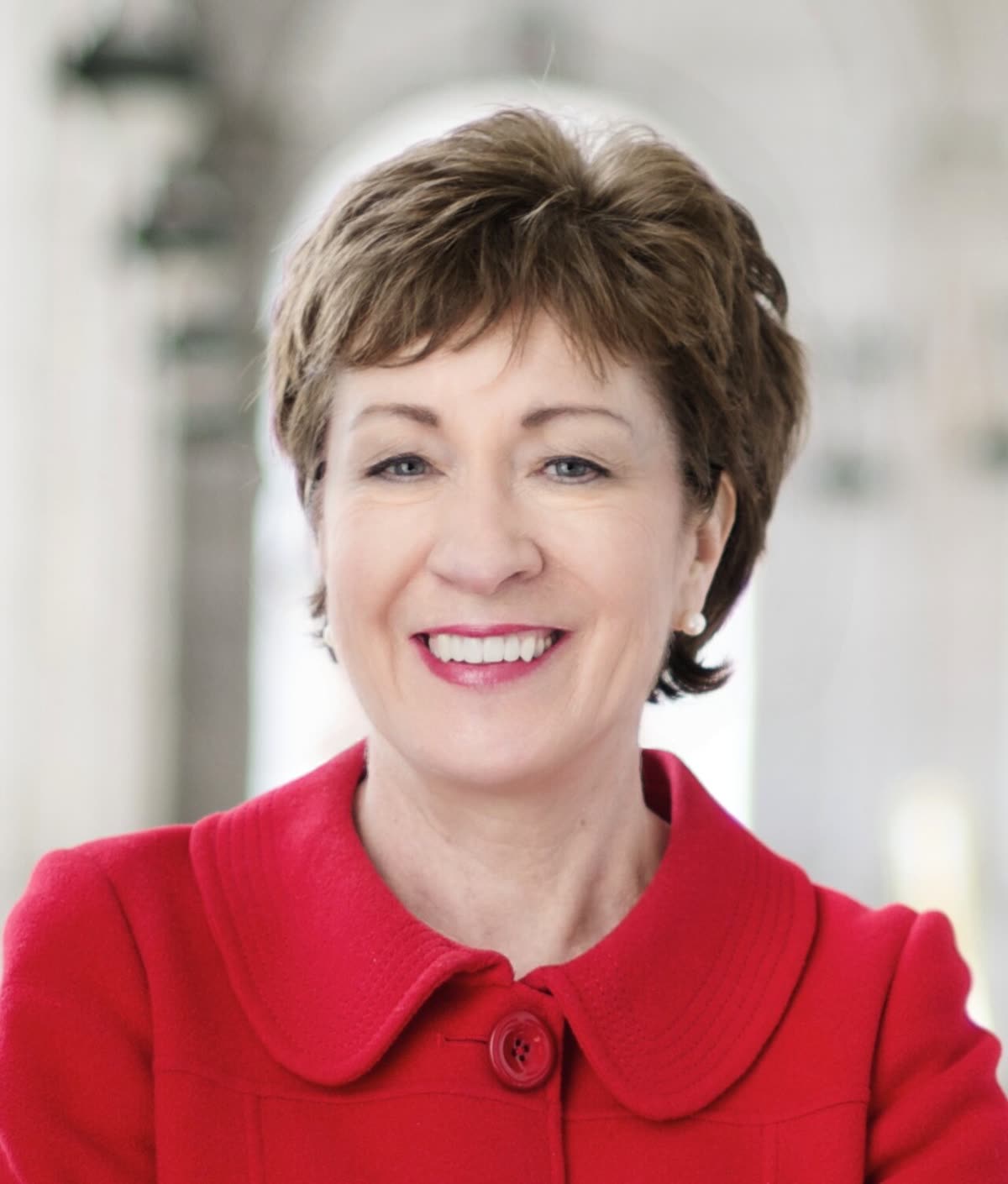
He knows I voted against President Trump's signature legislative accomplishment
Politico reported that Collins voted to let the bill move forward before voting against final passage 1. Collins defended that earlier vote by saying it gave her the chance to write the rural fund: "If I had not allowed the bill to go to the floor, I would never have been able to author the $50 billion fund" 1. Jackson said the bill included roughly $1 trillion in Medicaid cuts 3.
Sen. Collins is like an arsonist who helped set the fire, and she wants credit for bringing a cup of water to put it out
Alaska: a debate over whether the cuts happened at all
About a third of Alaskans rely on Medicaid 4. Politico puts the share at more than 36% 1. A state projection estimates that more than 9,000 Alaskans could lose Medicaid because of the new work requirements 4.
In their Oct. 15 debate, Republican Sen. Dan Sullivan said the law did not reduce Medicaid funding for Alaskans. The Anchorage Daily News noted that the law does cut Medicaid spending 4. Sullivan instead talked up the rural health program, which he called "the exciting opportunity" 4.
We have the biggest award under that bill that I wrote: $1.4 billion to transform Alaska's healthcare system.
His Democratic challenger, Mary Peltola, said health workers in the state are having "challenges finding creative ways to spend that money" 4. She said her first goal would be undoing the cuts and bringing back the enhanced Affordable Care Act premium tax credits, which ended early this year 4. Those credits had lowered monthly premiums for people who buy their own insurance 4. Sullivan said he "bucked my party" and voted twice to extend them 4.
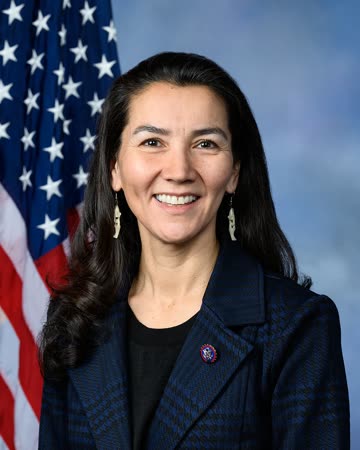
My immediate priority is reversing the damage to Medicaid and restoring health care tax credits
Why Republicans are on defense
Polls point the same way. A Politico poll found that most voters know about the law and an overwhelming majority oppose what is in it 1. KFF's latest survey found that voters favor Democrats over Republicans on rising health costs by 20 points, up from 11 points earlier this year 1.
Republicans have mostly avoided the subject in their advertising. AdImpact, which tracks political ads, counted just four TV ads about the law from Republicans in competitive races since the start of 2025 1. Former Indiana Republican Rep. Larry Bucshon, now a lobbyist, summed up the problem for his party: "if you're explaining, you're losing" 1.
Not every Republican agrees. Jason Roe, a consultant to Rep. Tom Barrett's campaign in Michigan, said of the Medicaid issue, "It has not been showing up in our polling." He argued that voters care more about gas, groceries and inflation 1.
In Georgia, Democratic Sen. Jon Ossoff accused his Republican opponent, Rep. Mike Collins, of voting for "the biggest Medicaid cut in history." Collins replied that Ossoff "should answer for why he was not willing to help these rural hospitals survive" 1. Michigan Gov. Gretchen Whitmer, a Democrat, was blunt about how voters see the issue: "The public's not stupid" 1.
What to watch
Here is why the timing matters. Under the law, states must start the work requirements by Jan. 1, 2027, about two months after voters choose the next Congress 5. In Nevada, Democratic House candidate Steven St. John, a hospital chaplain, made the same point: "The Medicaid cuts are coming and I have to do something about it, and being in Congress is the way to do it" 2.
The pattern in these debates is clear. Many Republicans who voted for the cuts are not defending them on their merits. Instead they point to a temporary rural fund or argue the cuts did not happen 14. Whether the cuts stay in place will depend on who controls Congress next year.
The Record
- A Georgetown analysis of CBO estimates says the 2025 budget law will leave about 10 million more people uninsured in 2034, with $990 billion in gross federal cuts to Medicaid and CHIP 6.
- In Maine's first Senate debate, Collins says she voted against the bill on final passage, and Jackson says she helped cause the damage she now wants credit for easing 3.
- In Alaska's Senate debate, Sullivan says the law did not reduce Medicaid funding for Alaskans, and Peltola vows to reverse the cuts 4.
- Politico reports that Democrats in six Senate debates attacked Republicans over the Medicaid cuts and vowed to restore the money 12.
- Deadline for states to begin Medicaid work requirements for expansion adults through age 64 5.
Sources
- Politico (via Yahoo News), “Medicaid cuts haunt Republicans in battleground states” (2026-10-19). yahoo.com/news/politics/articles/medicaid-cuts-haunt-republi
- KFF Health News, “Morning Briefing: Tuesday, October 20, 2026” (2026-10-20). kffhealthnews.org/morning-briefing/tuesday-october-20-2026/
- NBC News, “Susan Collins and Troy Jackson clash over Trump and seniority in Maine's first Senate debate” (2026-10-06). nbcnews.com/politics/2026-election/susan-collins-troy-jackso
- Anchorage Daily News, “Sullivan and Peltola lob personal attacks as they clash over Iran war and the economy” (2026-10-17). adn.com/politics/2026/10/16/sullivan-and-peltola-lob-persona
- KFF, “A Closer Look at the Work Requirement Provisions in the 2025 Federal Budget Reconciliation Law” (2025-07-30). kff.org/medicaid/issue-brief/a-closer-look-at-the-medicaid-w
- Georgetown University Center for Children and Families, “New CBO Health Coverage Estimates of Budget Reconciliation Law” (2025-08-14). ccf.georgetown.edu/2025/08/14/new-cbo-health-coverage-estima
Found an error? Tell the newsroom. Corrections are noted at the top of the story.