Your Money · Report · File No. 261112-619
Over 9 million borrowers in default may face wage garnishment, seized refunds in 2027
More than 9 million student loan borrowers owe a combined $234 billion in default, and collections are expected to restart next year. Older borrowers appear to be struggling more than before the pandemic, one analysis found.
Every quote in this story (2) was matched word for word against its source. How we work
More than 9 million federal student loan borrowers are in default, owing a combined $234 billion. Many could soon see their wages garnished and their tax refunds seized, Stateline reported Thursday. Millions more are late on payments 1.
Such collections have been paused several times, most recently this past January. Pandemic-era forbearance, which let borrowers stop paying without penalty, expired last year 1.
What is expected, and when
Betsy Mayotte, president of The Institute of Student Loan Advisors, a nonprofit, said she expects collections to start next year 1. The Washington Sun reported in October that collection plans would likely be announced after the midterm elections 1. The U.S. Department of Education did not respond to Stateline's question 1.
The Education Department has not announced a date, so the timing is an expectation, not a decision. Stateline's reporting rests on a loan adviser's forecast and a news report 1.
 From Channel GOPRoy Cooper on election night in North CarolinaRoy Cooper · 1.2K plays · captioned, with the source named
People tend to get caught off guard when their tax refund is taken and if they’re struggling financially, a lot of times they’re counting on that refund to catch up.
How collections work
A May 2025 Experian guide, written when collections first restarted, describes the process. Borrowers get a notice and have 65 days to resolve a default before federal tax refunds and federal benefits, including Social Security payments, can be withheld 2. For wage garnishment, borrowers get 30 days to set up a repayment plan or request a hearing. After that, employers can be told to withhold up to 15% of disposable pay 2.
Experian lists ways out of default. They include a loan rehabilitation agreement, consolidating the loans, a repayment arrangement or paying in full 2. Rules and programs may have changed since that guide was published, so borrowers should check with the Education Department.
Where the pain is greatest
Mississippi, Louisiana and New Mexico had the highest default rates, with more than a quarter of their borrowers in default. Even the lowest states, Massachusetts, New Hampshire, Utah and Wisconsin, stood at 15%, according to a Stateline analysis of Education Department data from the second quarter of this year 1.
Federal Reserve Bank of New York credit-report data show defaults restarting in late 2025 and early 2026. In those two quarters, 13% of student loans in Louisiana and Mississippi went into default. At least 5% did in every state 1. The bank's analysis found older borrowers seemed to be struggling more than before the pandemic 1.
Borrowers describe the stakes
Timothy Varro, 40, a New York City bank attorney, borrowed about $120,000. He says his balance has grown to $375,000 and he cannot make the $2,000 minimum payment 1. Taylor Lewis, 26, owes $29,000. She says her loan went into default after a missed payment and she cannot afford to pay it off in full 1.
Preston Cooper of the conservative American Enterprise Institute said many borrowers were caught off guard. He blamed confusing messages from the government 1.
The government did not do a very good job of communicating the fact that repayment was starting again for real.
That matters because a seized refund or garnished paycheck hits hardest when money is already tight. The pattern is a government that repeatedly told borrowers payments would resume, then delayed them, leaving many unprepared. Stateline's reporting did not include a response from Democratic lawmakers.
The Record
- The Treasury offset program, which can take tax refunds and federal benefits, restarted after the pandemic pause 2.
- Collections were paused again this past January, after earlier pauses 1.
- Stateline reports more than 9 million borrowers are in default, owing $234 billion, with collections expected next year 1.
Republish this story on your site or in your newsletter
Any site, blog or newsletter may run this story free of charge. Keep the credit line and its link to the original, do not sell it, and edit only for length or house style (the full terms). Photos carry their own licenses, noted under each photo on this page, so use the text alone unless a credit says otherwise.
Paste it into your editor's HTML view. The one-pixel image at the end tells our newsroom the story ran; it stores no reader data.
Sources
- Stateline, “Collections are coming for millions of student loans in default” (2026-11-12). stateline.org/2026/11/12/collections-are-coming-for-millions
- Experian, “What to Know About Federal Student Loan Collections” (2025-05-15). experian.com/blogs/ask-experian/federal-student-loan-collect
Found an error? Tell the newsroom. Corrections are noted at the top of the story.
More from the files
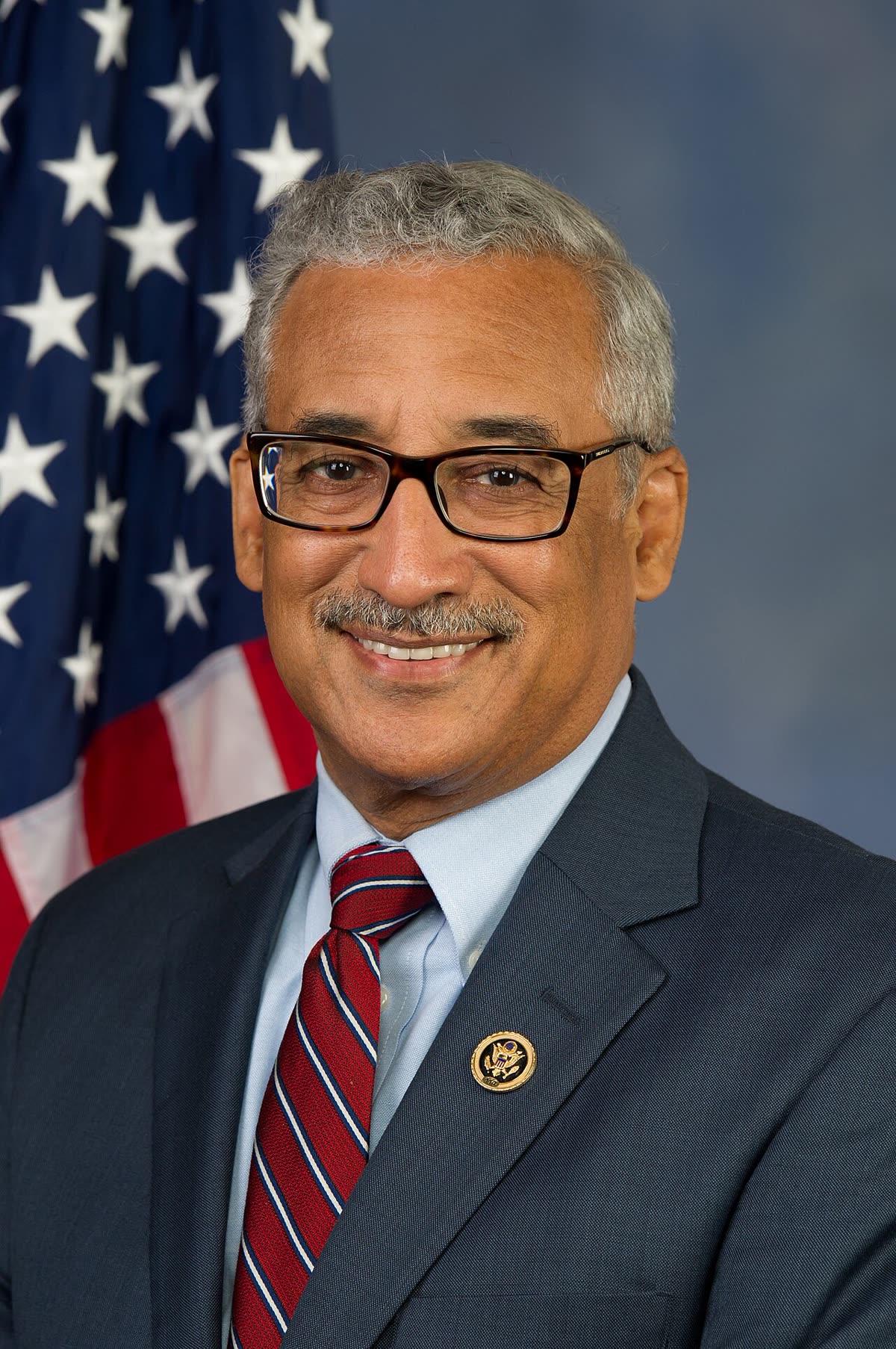
Three House Democrats vie to lead education fight against Trump in the next Congress
Reps. Bobby Scott, Suzanne Bonamici and Jahana Hayes want to be the top Democrat on the House Education and Workforce Committee. The winner will lead oversight of schools, student aid and the Education Department.

NY attorney general warns student loan consolidation can cost borrowers forgiveness
Letitia James says new federal rules can strip borrowers of repayment plans if they consolidate. Parents who took out Parent PLUS loans for their children face the biggest limits.
Trump administration drops appeal over rule limiting public service loan forgiveness
The Justice Department on Wednesday dropped its appeal of a ruling that blocked Education Department limits on who can get Public Service Loan Forgiveness. The move leaves in place a court order that protects teachers, nurses and other public workers.
Delivered free to your door*
The Morning Edition
One short email at 7 a.m. Eastern: the day's top files, one clip worth your time, and the race to watch. Plain English, large type, no clutter.
*Your inbox. Free. Unsubscribe with one click, any time.