Health Care · Report · File No. 261119-229
Prescriptions for weight-loss drugs fell 84% after four states ended Medicaid coverage
A JAMA study found weight-loss GLP-1 prescriptions dropped sharply in California, New Hampshire, Pennsylvania and South Carolina after Medicaid coverage ended. It shows how much access to these drugs depends on a patient's insurance.
Every quote in this story (2) was matched word for word against its source. How we work
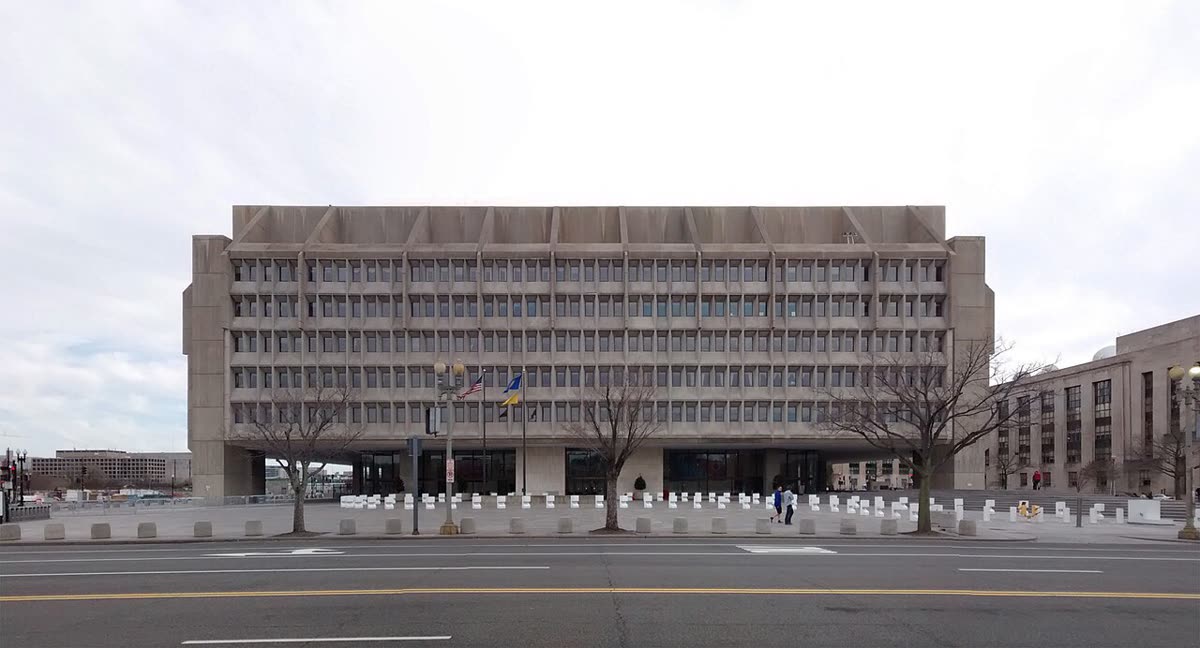
When four states stopped paying for weight-loss drugs through Medicaid, prescriptions fell almost overnight. A new study in the Journal of the American Medical Association (JAMA) found that prescriptions in those states dropped 84 percent relative to states that kept coverage 12.
California, New Hampshire, Pennsylvania and South Carolina ended Medicaid coverage of GLP-1 drugs approved for weight loss on Jan. 1, 2026. Newsweek reported the states cited concerns over the drugs' high cost 1. GLP-1s are a class of medicines that includes semaglutide and tirzepatide.
What the numbers show
Researchers at the University of Pittsburgh studied Medicaid prescription data from January 2022 through March 2026 1. In the four states, quarterly prescriptions fell from 2,914 to 421 per 100,000 Medicaid beneficiaries between late 2025 and early 2026 12.
In 10 states that kept coverage, the rate slipped only from 3,006 to 2,758 12. By state, Pennsylvania fell 95.5 percent, New Hampshire 88 percent, California 75.2 percent and South Carolina 60.8 percent 2.
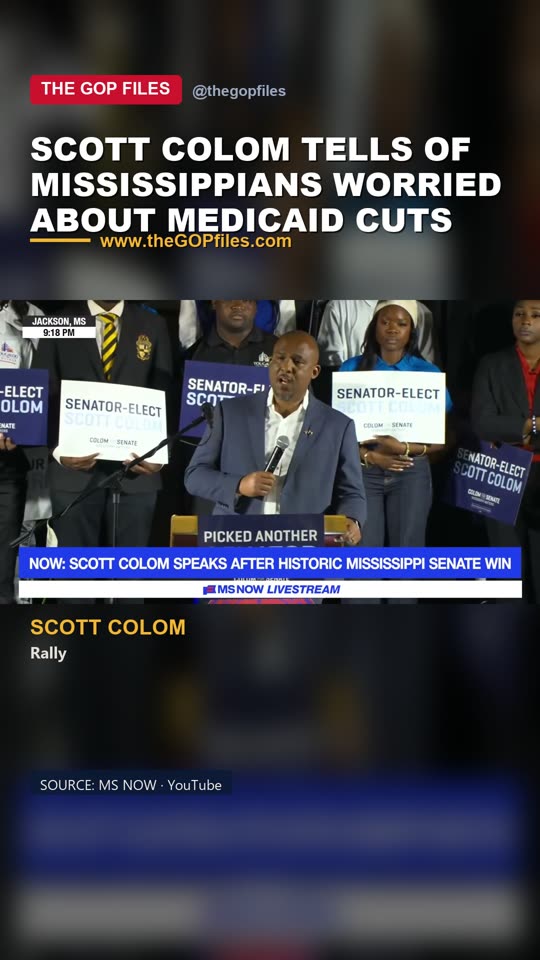 From Channel GOPScott Colom tells of Mississippians worried about Medicaid cutsScott Colom · 201 plays · captioned, with the source named
The researchers estimated that between 175,500 and 526,600 fewer beneficiaries filled weight-loss GLP-1 prescriptions across the four states 12. They found no significant rise in use of GLP-1 drugs approved for diabetes in those states 2.
Limits of the study
The study counted prescriptions, not people, so it cannot say exactly how many patients lost treatment 12. It also could not track prescriptions paid for privately, or measure health outcomes 12. The study is observational, and other coverage changes may have played a part 2.
What doctors say
Lead author Bryant Shuey told Newsweek that most patients regain some weight after stopping these drugs. He pointed to a trial in which 82 percent of participants regained some weight after stopping tirzepatide, regaining about two-thirds of what they had lost on average 1.
Shuey said patients who stop abruptly are at risk of worsening cardiometabolic health, meaning heart and blood-sugar risks 2. Senior author Timothy S. Anderson said the result was predictable 2.
It is not surprising that abruptly ending drug coverage creates major disruptions in care
Dr. Andi Toufexis, an obesity-care physician who was not part of the research, said the change created a gap between patients who can pay and those who cannot 1.
Patients with sufficient financial resources may be able to continue treatment by paying out of pocket, while patients who depend on Medicaid often cannot
What happens next
Federal law lets states exclude weight-loss drugs from Medicaid, and 17 state programs have covered them since 2022, often with prior authorization 2. Anderson noted that Medicaid covers 20 percent of Americans and that state budgets are shrinking 2. He said high-cost therapies will stay out of reach unless drug costs fall or federal support changes 2.
That matters because Medicaid coverage depends on where you live, and states can change it with little warning. Neither report says what Medicare covers, so readers should check their own plan. For patients who lose coverage, Shuey suggested asking clinicians about covered weight-management drugs, diet counseling, structured weight-loss programs and diabetes prevention programs 1.
The Record
- California, New Hampshire, Pennsylvania and South Carolina end Medicaid coverage of GLP-1 drugs approved for weight loss 12.
- The first quarter of 2026 ends. Prescriptions in the four states had fallen from 2,914 to 421 per 100,000 beneficiaries since late 2025 12.
- Newsweek reports on the JAMA study finding an 84 percent relative drop in prescriptions 1.
Republish this story on your site or in your newsletter
Any site, blog or newsletter may run this story free of charge. Keep the credit line and its link to the original, do not sell it, and edit only for length or house style (the full terms). Photos carry their own licenses, noted under each photo on this page, so use the text alone unless a credit says otherwise.
Paste it into your editor's HTML view. The one-pixel image at the end tells our newsroom the story ran; it stores no reader data.
Sources
- Newsweek, “Four States End Weight Loss Drug Coverage—What Happened Next Was Stark” (2026-11-19). newsweek.com/four-states-end-weight-loss-drug-coverage-12735
- News-Medical, “Medicaid coverage cuts sharply reduce weight loss drug prescriptions” (2026-11-16). news-medical.net/news/20261116/Medicaid-coverage-cuts-sharpl
Found an error? Tell the newsroom. Corrections are noted at the top of the story.
More from the files
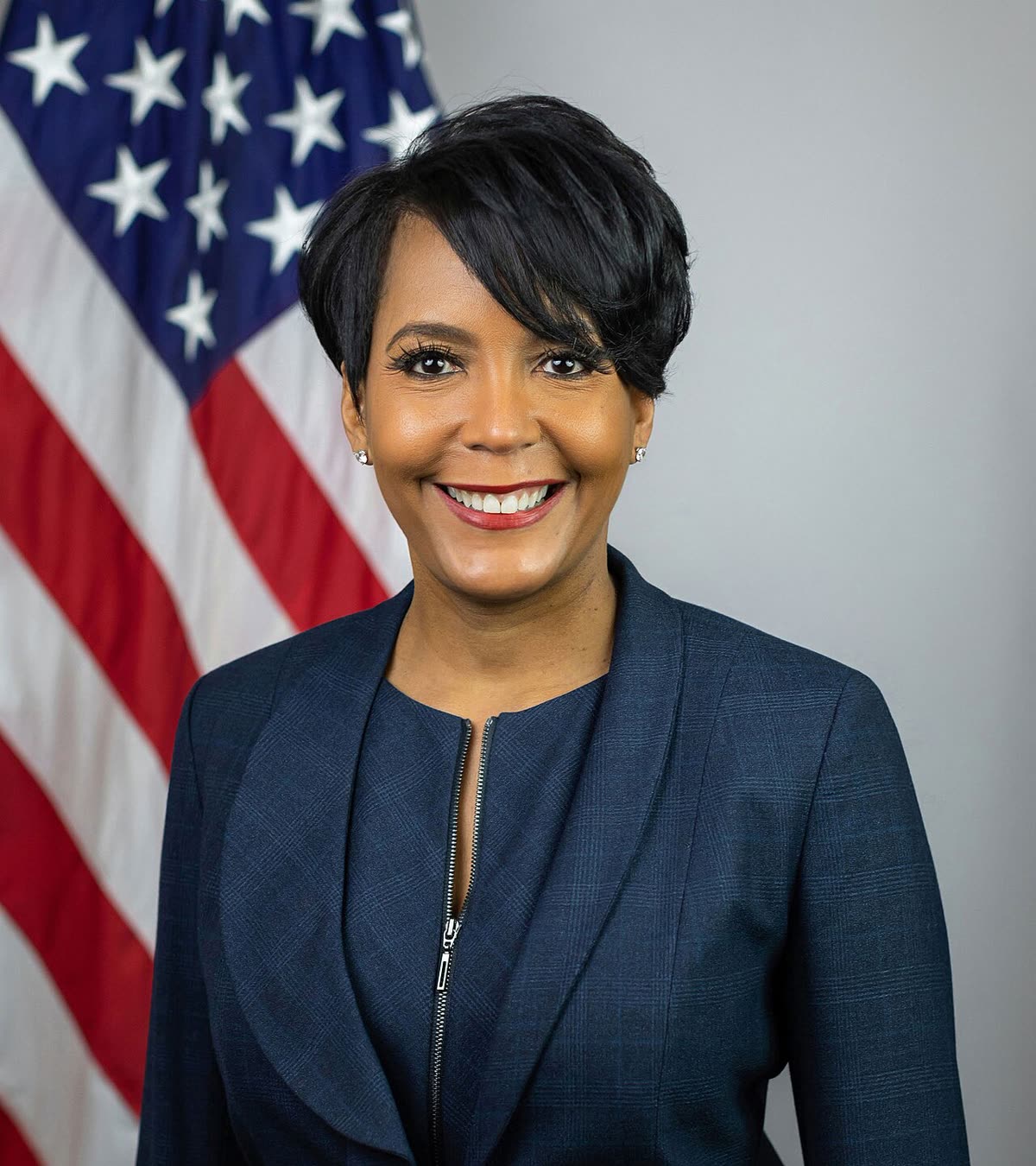
Bottoms makes Medicaid expansion a January priority, but the Senate holds the key
Georgia's governor-elect wants to extend Medicaid to as many as 347,000 uninsured adults. A Republican Senate, new federal rules and a clunky enrollment system stand in the way.
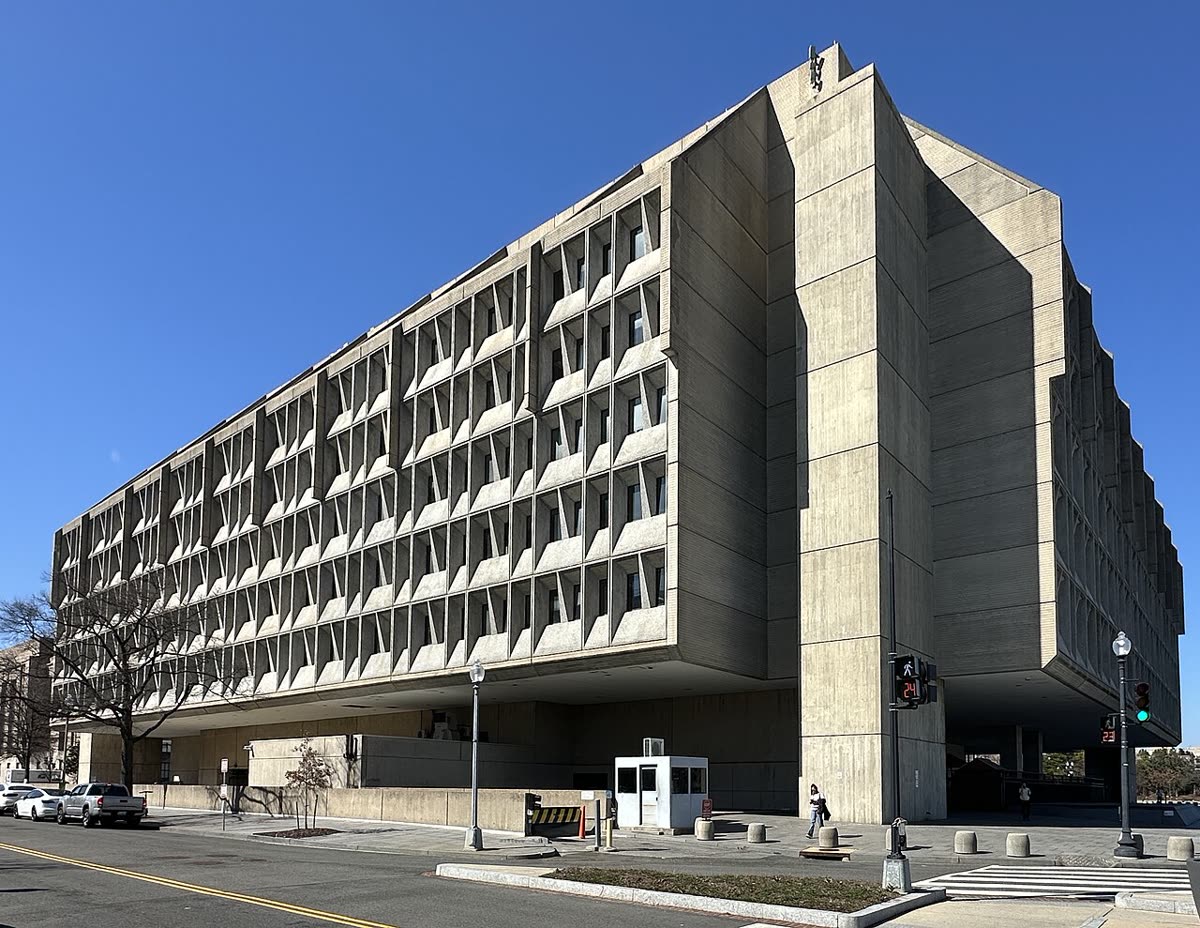
White House claims overdose drop as its own; NPR experts say most gains came before Trump
The White House says falling overdose deaths prove its policies work. Drug researchers told NPR the decline began in 2023, and they warn that Medicaid cuts could reverse it.
CMS gives states six more months on Medicaid work rules, but paperwork risks remain
Federal officials offered states a penalty-free period through June 30, 2027, but states must still check who meets the rules. Nebraska's early results show how people can lose coverage over missing paperwork.
Delivered free to your door*
The Morning Edition
One short email at 7 a.m. Eastern: the day's top files, one clip worth your time, and the race to watch. Plain English, large type, no clutter.
*Your inbox. Free. Unsubscribe with one click, any time.