Your Money · Report · File No. 261121-281
SNAP spending falls by more than $1 billion in a year as work rules reach adults to 64
USDA data show monthly federal spending on food aid dropped 13.9 percent from August 2025 to August 2026, as 5.6 million fewer people took part. The work rules now cover adults up to age 64.
Every quote in this story (2) was matched word for word against its source. How we work
Federal spending on SNAP, the Supplemental Nutrition Assistance Program, fell by more than $1 billion in one year, according to new U.S. Department of Agriculture (USDA) data. Monthly spending dropped from $7.79 billion in August 2025 to $6.70 billion in August 2026. That is a decline of 13.9 percent 1.
SNAP helps low-income households buy groceries. Newsweek reports the drop owes to large falls in participation since the One Big Beautiful Bill became law in July 2025. That law expanded work requirements for recipients nationwide 1.
Fewer people on the program
Participation has fallen by about 5.6 million since August 2025, from 41.4 million people to 35.8 million 1. Separate USDA figures reported in August showed 42.4 million people on SNAP at the end of fiscal year 2025 and 37.0 million in April 2026 2. The two counts use different months, so they are not directly comparable.
The law requires many adults to complete at least 80 hours a month of work, training or other qualifying activities to keep benefits. The upper age limit rose from 59 to 64. That brings more adults without dependents under the rules, including many people in their late 50s and early 60s 1. Those who do not comply are limited to three months of benefits in a three-year period 2.
 From Channel GOPWarnock: they prayed, then cut healthcare and SNAPSenator, Reverend Raphael Warnock · 136 plays · captioned, with the source named
The law also removed exemptions that had covered veterans, people experiencing homelessness and former foster youth. Some parents of children 14 or older now must meet the work or training conditions too 1.
Big gaps between states
Arizona had the largest drop in recipients, almost 50 percent. Its monthly benefit spending fell from just over $160 million to $81.7 million 1. Oklahoma, Nebraska, Florida, Massachusetts, Nevada, Illinois and Kansas each saw declines of 20 to 30 percent 1.
Spending rose in only two states. Wisconsin's costs went up 13 percent, and Maryland's rose 0.1 percent 1. Each state agency adopted the rules on its own schedule. Arkansas, Indiana and Wisconsin moved almost immediately, while California and Washington, D.C., aligned in June 2026 1.
Who said what
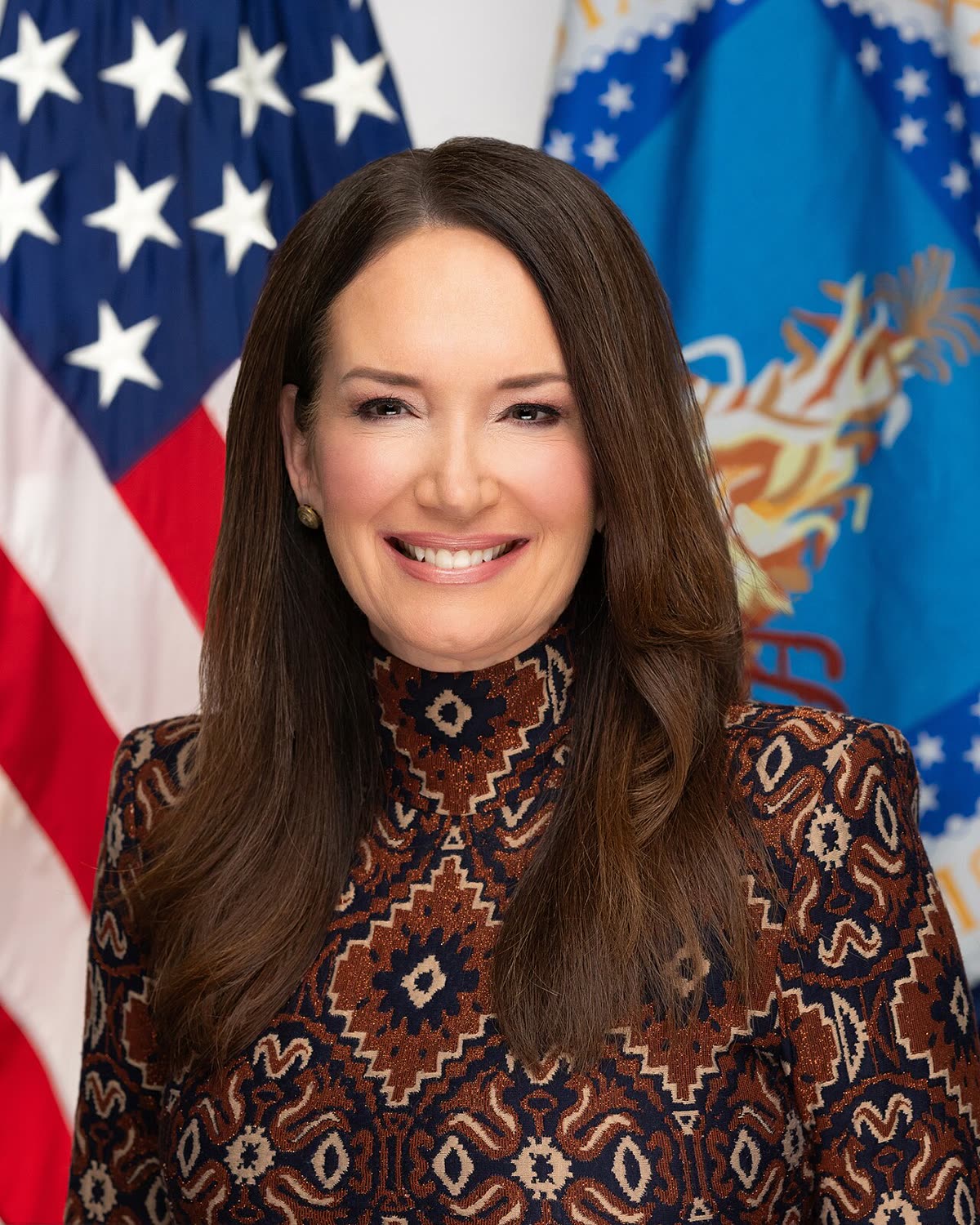
The administration has welcomed the decline. Agriculture Secretary Brooke Rollins wrote in an April opinion piece that the administration "has been tirelessly fighting to reform this broke program so that it serves families who need it most, and our efforts are paying off." 1 The White House said in June that "dependency" on the program is "plummeting." 1
Advocates see a different picture. Kyle Ross of the Georgetown Center on Poverty and Inequality wrote in October that many people losing benefits are not finding new jobs, and that many are "likely going hungry as a result." 1
A USDA spokesperson told Newsweek that other long-standing reasons may play a part. Households must periodically recertify, and people may find work, lose interest or see their circumstances change 1.
What happens next
The Congressional Budget Office projects the law will cut $186 billion, or 20 percent, from SNAP over 10 years 2. The latest figures suggest the decline is still running ahead of that path. That matters because the data show fewer people receiving aid, but not whether they found work or went without food. The USDA numbers cannot settle that question, and the advocates' warning rests on early evidence 1.
The Record
Republish this story on your site or in your newsletter
Any site, blog or newsletter may run this story free of charge. Keep the credit line and its link to the original, do not sell it, and edit only for length or house style (the full terms). Photos carry their own licenses, noted under each photo on this page, so use the text alone unless a credit says otherwise.
Paste it into your editor's HTML view. The one-pixel image at the end tells our newsroom the story ran; it stores no reader data.
Sources
- Newsweek, “SNAP Benefits Spending Falls by More Than $1 Billion” (2026-11-21). newsweek.com/snap-benefits-spending-falls-by-more-than-1-bil
- FOX 5 DC, “USDA: SNAP enrollment drops by 5.3 million following new work rules - State-by-state breakdown” (2026-08-10). fox5dc.com/news/snap-fewer-recipients-after-new-rules-implem
Found an error? Tell the newsroom. Corrections are noted at the top of the story.
More from the files
SNAP junk-food limits start in four more states despite June ruling against USDA
Montana, North Dakota, South Carolina and Virginia began barring candy and sugary drinks from food-aid purchases on Nov. 1. A federal judge ruled in June that USDA lacked authority to approve similar limits elsewhere.

Democratic senators warn SNAP rule could cut free school meal funds in three states
Eleven Democratic senators say a USDA plan to tighten food stamp eligibility could strain free school meal programs in Colorado, New Mexico and Pennsylvania. The agency's own estimate says 6.3 million people would lose SNAP in 2029.

Mamdani deal gives SNAP retailers 90 more days before USDA stocking rule is enforced
After talks with Trump and Agriculture Secretary Rollins, USDA will wait at least 90 days to enforce tougher SNAP food-stocking rules. The rule is delayed, not withdrawn, and corner stores that fall short could still lose the ability to accept SNAP.
Delivered free to your door*
The Morning Edition
One short email at 7 a.m. Eastern: the day's top files, one clip worth your time, and the race to watch. Plain English, large type, no clutter.
*Your inbox. Free. Unsubscribe with one click, any time.