Courts & Justice · Report · File No. 261111-885
Supreme Court seems split on whether agencies can fine employers without going to court
Justices heard a case over farm-worker visas on Tuesday that could limit how federal agencies punish businesses. The administration warned a loss could disrupt programs such as Medicare and Medicaid.
Every quote in this story (1) was matched word for word against its source. How we work
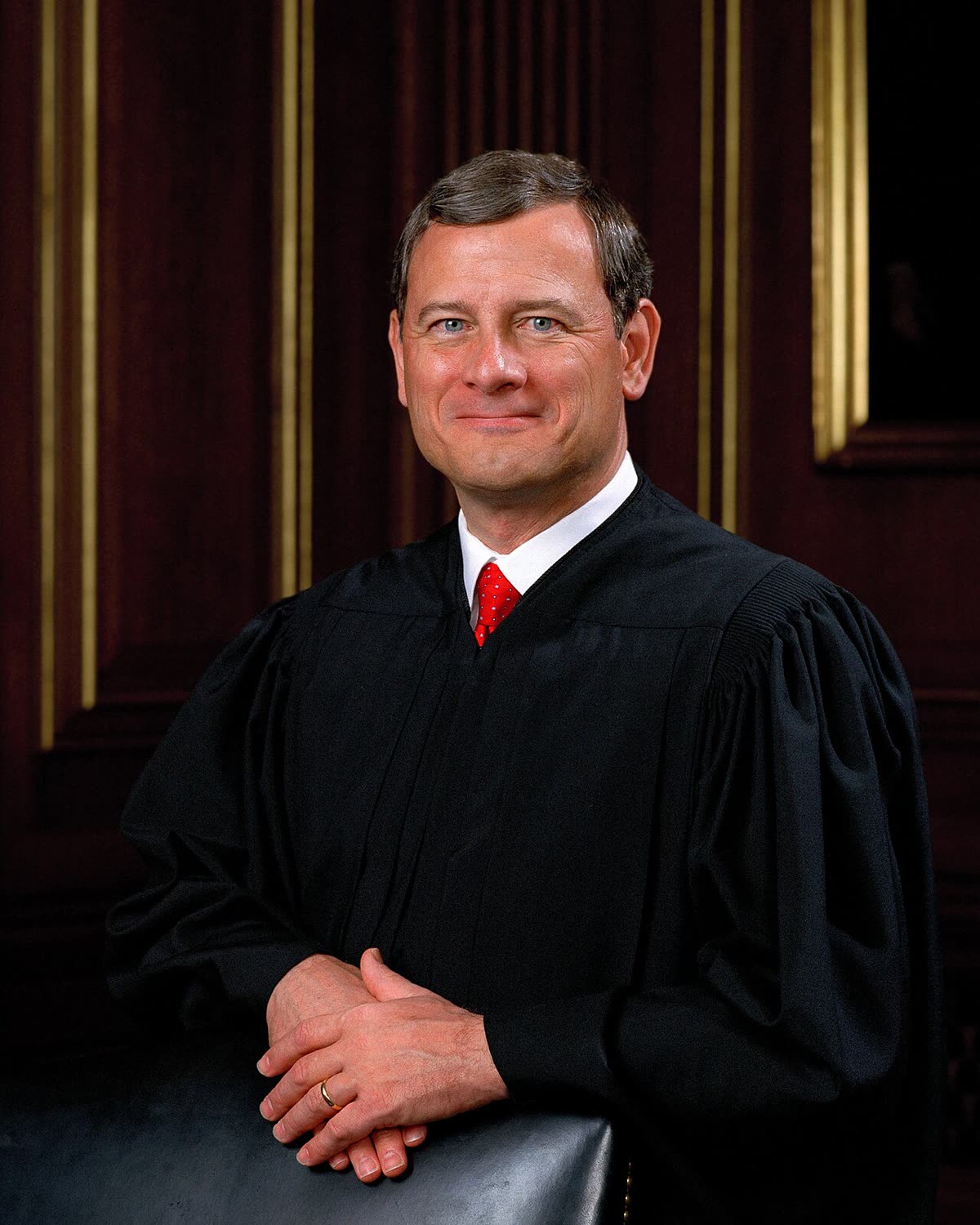
The Supreme Court seemed divided on Tuesday in a case that could weaken the power of many federal agencies to fine businesses that break the law 1. The case, Department of Labor v. Sun Valley Orchards, is about a program that lets farms temporarily hire foreign workers 12.
Farmers have relied on the program for decades to bring in migrant workers to pick crops. Besides wages, farm owners must provide basic necessities such as housing, meals and water. The Labor Department polices the system so foreign workers don't undercut domestic workers 1.
What the farm is accused of
The department fined Sun Valley Orchards of New Jersey a half-million dollars. It cited unsafe drinking water, housing people in 20-bunk rooms, broken sinks and a failure to pay promised wages 1. Those are the department's findings. Sun Valley is disputing the charges 1.
The company also argues that it is unconstitutional for the department to impose money fines through its own administrative proceedings. It says the process denies it a jury trial if it later appeals to a federal court 1. One legal scholar who backs the farm wrote last week that Sun Valley has a Seventh Amendment right to a jury. He signed a brief supporting the company 2.
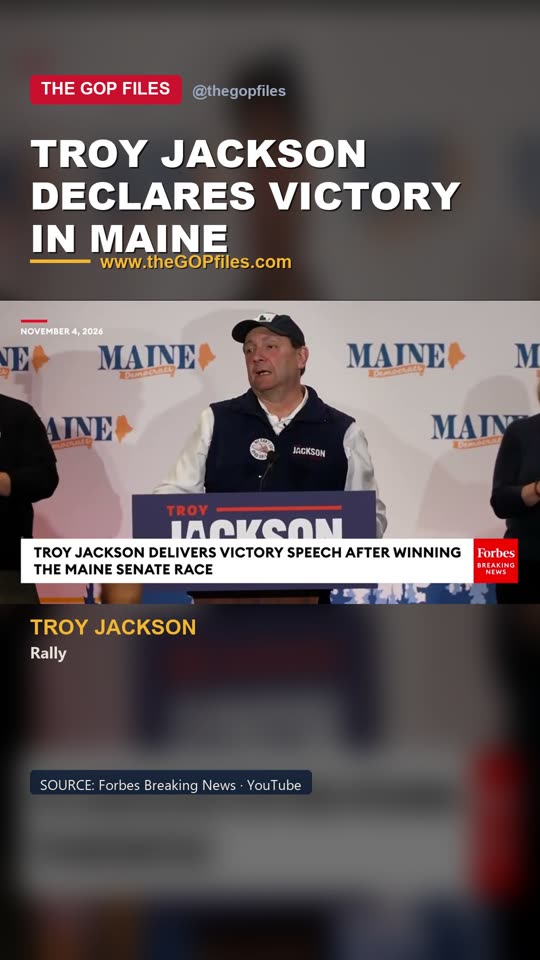 From Channel GOPTroy Jackson declares victory in MaineTroy Jackson · 143 plays · captioned, with the source named
What the justices said
Chief Justice John Roberts pressed the government's lawyer, Deputy Solicitor General Sarah Harris. NPR reported that he strongly suggested the Trump administration, and many before it, have gone beyond the executive branch's proper power 1.
It seems to me you're just trying to leverage … the broad authority [of the executive branch] beyond the justification for its application.
Harris warned of big consequences if the court required courts to handle every civil penalty. She said it would disrupt programs as varied as Medicare, Medicaid and the federal student loan program 1. Justice Elena Kagan asked, "Why not just go to court always?" Harris answered, "I think it would be catastrophic." She said limited resources would lead to massive under-enforcement of the law 1.
Justice Ketanji Brown Jackson told the farm's lawyer, Robert Johnson, that he seemed to be fighting what Congress was trying to do: keep farm workers from undercutting domestic workers 1. Justice Brett Kavanaugh was also skeptical. He said the farm's approach is "really at war with clarity" 1. Justice Samuel Alito called the outline a "hodge-podge opinion" 1.
What happens next
The court has not ruled. A decision is likely by the end of its term, though the wire report did not give a date 1.
Harris said that if the government loses, the administration may have to ask Congress for help. She added, "A lot of other statutory regimes also would be on the cutting-room floor" 1.
That matters because agency fines are how many workplace and safety rules are enforced. The pattern is a court that has been weighing how much power agencies can hold without going to a judge first 12. A ruling for Sun Valley could make enforcement slower and costlier for the government. A ruling for the Labor Department would leave the current system in place.
The Record
Republish this story on your site or in your newsletter
Any site, blog or newsletter may run this story free of charge. Keep the credit line and its link to the original, do not sell it, and edit only for length or house style (the full terms). Photos carry their own licenses, noted under each photo on this page, so use the text alone unless a credit says otherwise.
Paste it into your editor's HTML view. The one-pixel image at the end tells our newsroom the story ran; it stores no reader data.
Sources
- NPR, “Supreme Court seems split over federal agencies' ability to fine for law violations” (2026-11-10). npr.org/2026/11/10/nx-s1-6034950/2026-11-10-nx-s1-6034950-su
- SCOTUSblog, “The poisoned public rights doctrine and Sun Valley Orchards” (2026-11-06). scotusblog.com/2026/11/the-poisoned-public-rights-doctrine-a
Found an error? Tell the newsroom. Corrections are noted at the top of the story.
More from the files
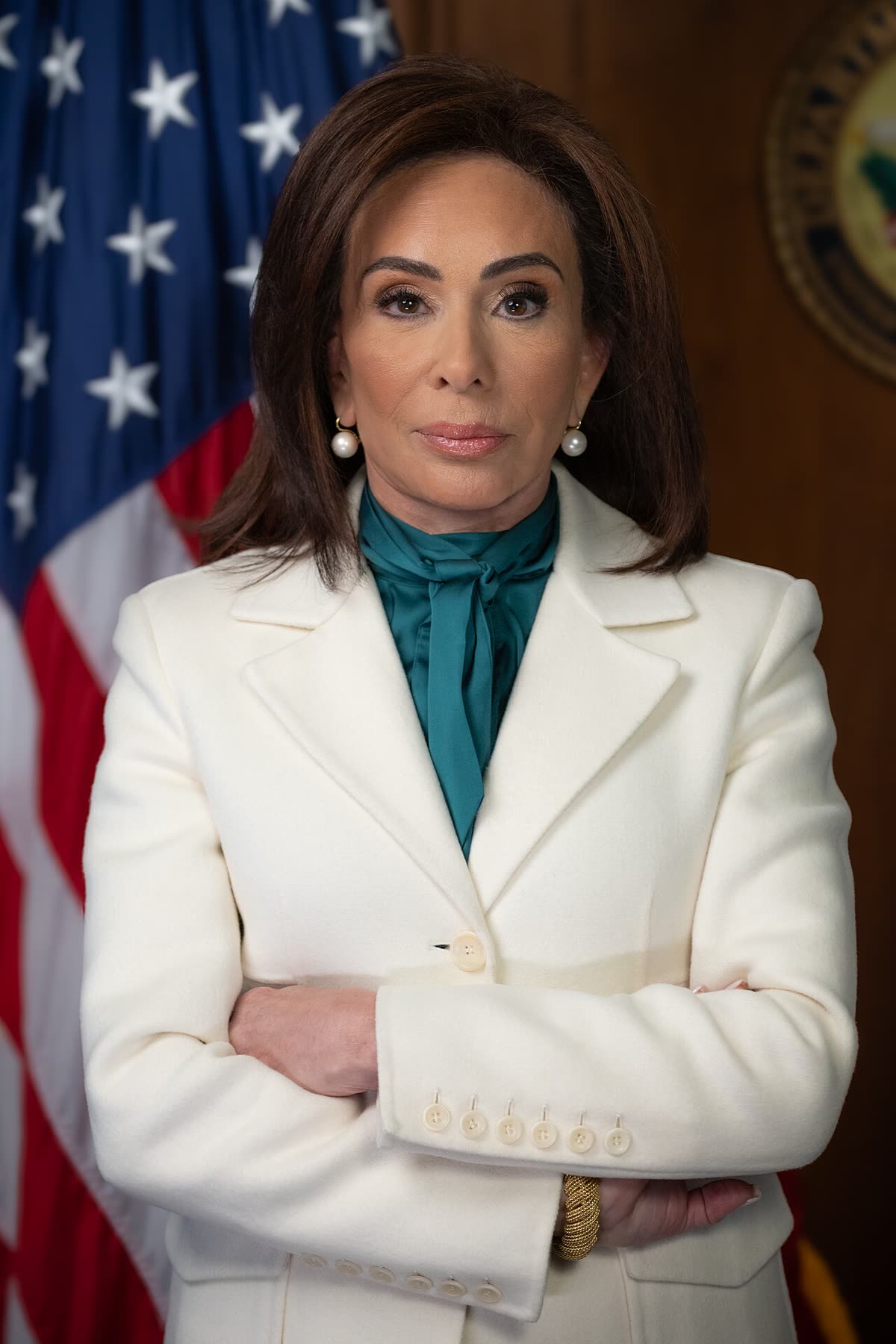
Pirro's office leads criminal probe of 2022 Dobbs leak as five-year legal clock runs down
Federal prosecutors have reportedly sent grand jury subpoenas to people who worked at the Supreme Court when the draft opinion ending Roe v. Wade leaked. No law directly makes that leak a crime. The prosecutor Pirro picked to lead the case also ran the failed effort to indict six Democratic lawmakers.
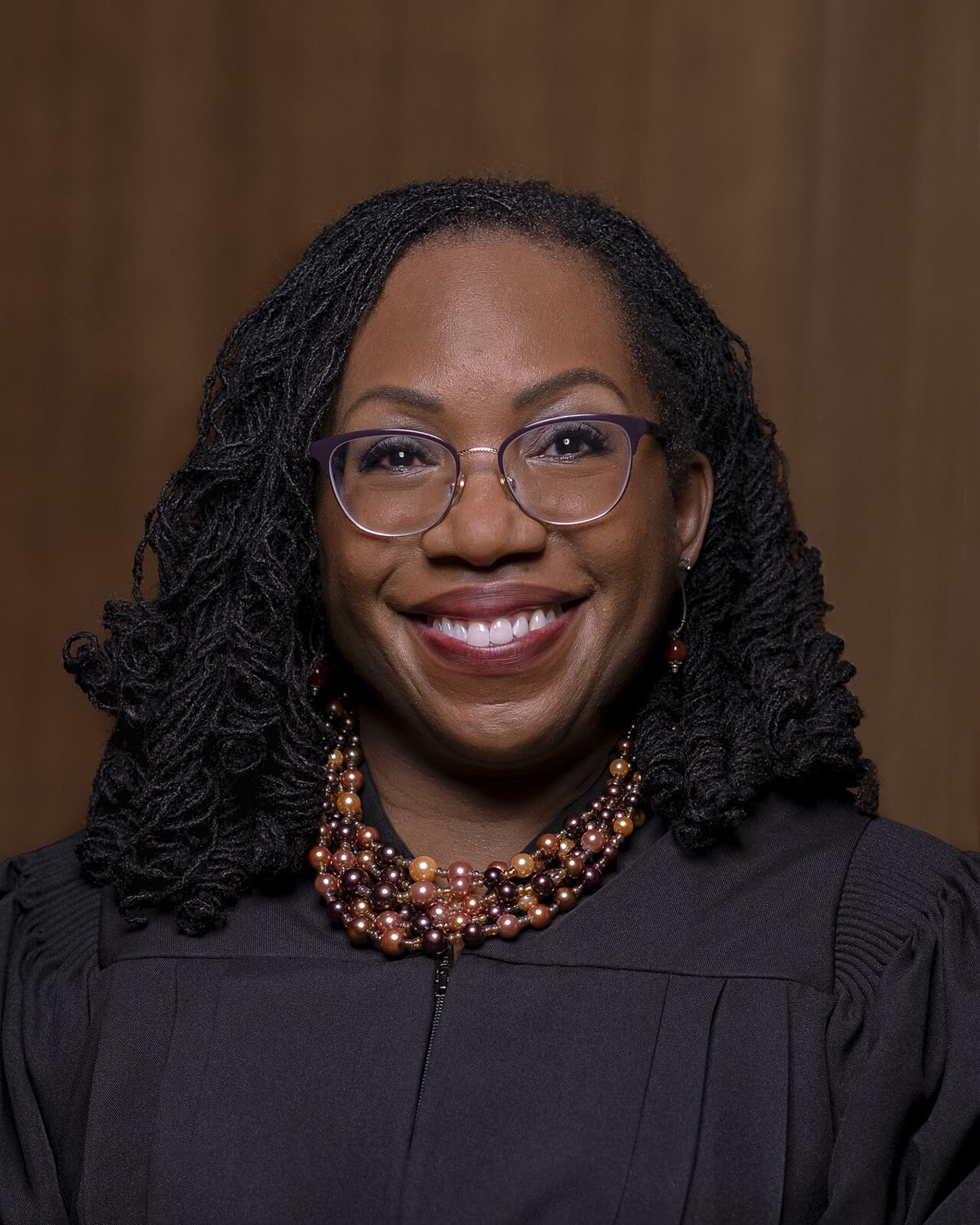
Supreme Court lets Trump resume Big Bend border wall work in Texas; Jackson dissents
The justices lifted a judge's order that had halted construction through a remote region that includes Big Bend National Park. Challengers say the area has the border's lowest apprehension rates.

Justice Dept. and Fed's Lisa Cook ask judge to pause firing case until January
Trump's lawyers and Federal Reserve Governor Lisa Cook have asked a federal judge to freeze the court fight over his attempt to fire her while a White House panel prepares for a Dec. 14 hearing. Whether the central bank stays independent of the White House affects the interest rates savers, borrowers and retirees live with.
Delivered free to your door*
The Morning Edition
One short email at 7 a.m. Eastern: the day's top files, one clip worth your time, and the race to watch. Plain English, large type, no clutter.
*Your inbox. Free. Unsubscribe with one click, any time.