Immigration · Report · File No. 261121-849
Voters oust sheriffs who signed ICE pacts in North Carolina, Maryland and Wisconsin
Challengers who promised to curb cooperation with federal immigration agents beat incumbents or their allies in several counties. The AP says the results could hurt a pact program central to Trump's deportation push.
Every quote in this story (2) was matched word for word against its source. How we work
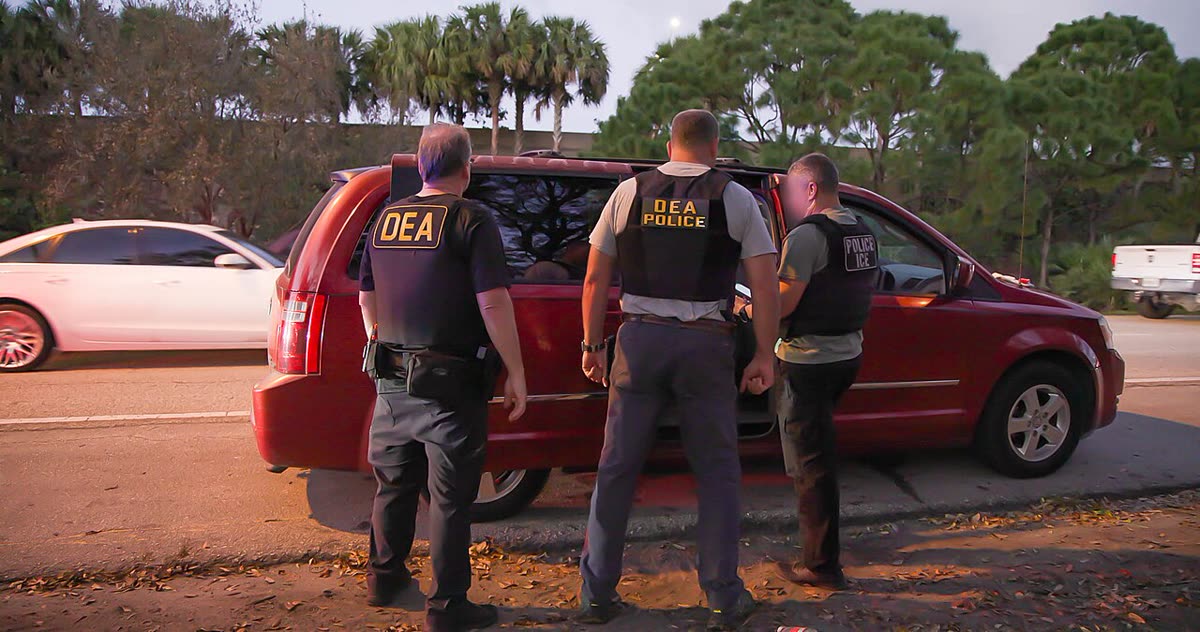
Voters in several counties ousted sheriffs, or rejected candidates seen as allied with them, after those offices signed agreements to help President Donald Trump's immigration enforcement, the Associated Press reported. The AP called the number of losses "only a smattering." It said the results could still spell trouble for other sheriffs seen as taking part in the crackdown 1.
The AP reviewed about 250 sheriff elections held this month in offices with these agreements. It found races in Indiana, Maryland, North Carolina, Wisconsin and elsewhere where the ICE pacts played a role in a candidate's defeat. Many sheriffs who ran this year were unopposed 1.
What the agreements do
The pacts are known as 287(g) agreements, after a section of federal immigration law. They let local deputies enforce immigration law under the supervision of U.S. Immigration and Customs Enforcement, or ICE. The administration now has more than 2,700 such pacts with state and local agencies, up from 135 when Trump began his second term 1.
Government data analyzed by the advocacy group fwd.us show the pacts have deputized over 29,000 local officers. They produced more than 6,600 arrests in July, about 15% of all ICE arrests 1. ICE still leans on them even after a one-time $75 billion infusion from Congress and the hiring of about 12,000 officers 1.
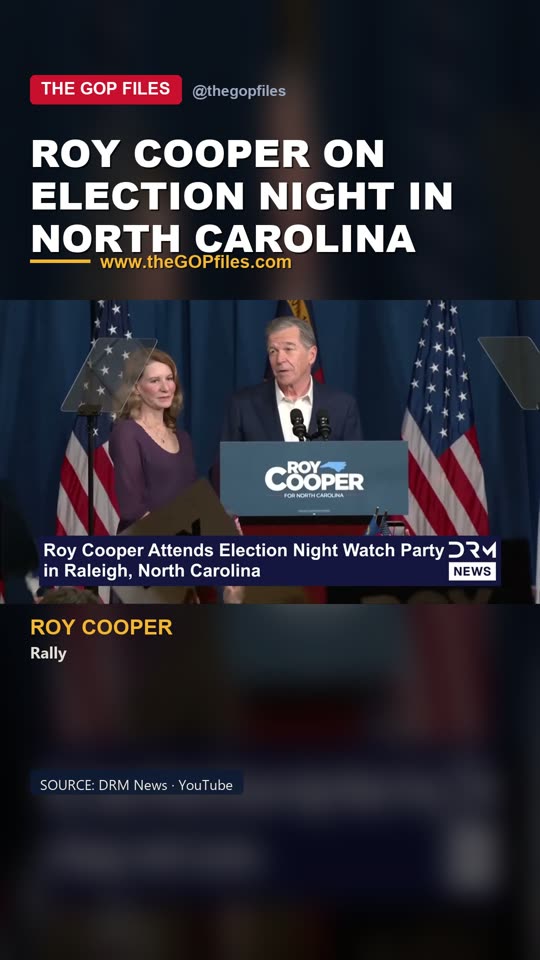 From Channel GOPRoy Cooper on election night in North CarolinaRoy Cooper · 1.2K plays · captioned, with the source named
Where voters pushed back
In Alamance County, North Carolina, Shannon Long, an independent and former deputy, defeated Republican Sheriff Terry Johnson. Johnson was among the first sheriffs to sign a 287(g) agreement. Long said he will not take part in the program 1.
Johnson first said immigration policy could have contributed to his loss. In a later interview he said it likely did not. He blamed his long tenure and a national climate that was "brutal for Republicans" 1.
In Frederick County, Maryland, Democrat Karl Bickel beat Republican Sheriff Chuck Jenkins. Bickel had 59% of the vote to Jenkins' 41% in returns reported as of Friday, according to The Daily Record and Maryland Matters. Bickel had lost to Jenkins in three earlier races 2.
Jenkins' office had worked with ICE since 2008. This year Maryland lawmakers banned 287(g) agreements, and Jenkins was a leading voice against the ban 2. AP reported that he turned over 1,884 people to ICE and acknowledged the program likely cost him reelection 1.
Democrats came out because they were angry. Democrats came out in larger numbers.
In Winnebago County, Wisconsin, ICE's arrest of a schoolteacher weeks before Election Day set off a backlash. The sheriff's department had nothing to do with that arrest, but its 287(g) agreement became central to the campaign. Democrat Jason Rippl, who promised to end it, benefited 1.
Any kind of perceived alignment definitely is considered a liability at this point
What happens next
AP said the agreements could become a focus again in two years, when sheriffs in Florida, Texas and other states with many 287(g) pacts face voters 1.
That matters because these pacts are mostly local choices. Voters can change them at the ballot box. The pattern in these races is that cooperation with ICE, once seen as a safe stance in Republican counties, became a campaign problem. Not every loss turned on immigration, and Johnson himself pointed to other causes 1.
Republican state Sen. Amy Galey defended Johnson's record on training and mental health services. She did not think immigration played a big role in his race 1.
The Record
- Frederick County, Md., sheriff's office began working with ICE, the county's partnership dating to 2008 2.
- Election Day: voters ousted Alamance County, N.C., Sheriff Terry Johnson and Frederick County, Md., Sheriff Chuck Jenkins 12.
- AP reports the review of about 250 sheriff races, saying ICE pacts played a role in some defeats 1.
Republish this story on your site or in your newsletter
Any site, blog or newsletter may run this story free of charge. Keep the credit line and its link to the original, do not sell it, and edit only for length or house style (the full terms). Photos carry their own licenses, noted under each photo on this page, so use the text alone unless a credit says otherwise.
Paste it into your editor's HTML view. The one-pixel image at the end tells our newsroom the story ran; it stores no reader data.
Sources
- Courthouse News (AP), “Voters oust some sheriffs who signed pacts to help Trump's immigration enforcement efforts” (2026-11-21). courthousenews.com/voters-oust-some-sheriffs-who-signed-pact
- The Daily Record (Maryland Matters), “Blue wave meets blue line in Frederick, as sheriff's race just one of Democrats' wins” (2026-11-17). thedailyrecord.com/2026/11/17/blue-wave-meets-blue-line-in-f
Found an error? Tell the newsroom. Corrections are noted at the top of the story.
More from the files

Frederick County voters oust Sheriff Chuck Jenkins, Maryland's longtime ICE partner
Democrat Karl Bickel beat Republican Sheriff Chuck Jenkins 56% to 44% on Tuesday. Jenkins had run the country's oldest local partnership with ICE, and Bickel says he will not work with the agency.

Judge won't block New York's ban on local ICE deals, a loss for 15 county sheriffs
A federal judge in Albany turned down 15 sheriffs who asked her to suspend New York's law ending local partnerships with Immigration and Customs Enforcement. The ruling keeps the state's limits on local help with federal civil immigration arrests in force while the lawsuit continues.
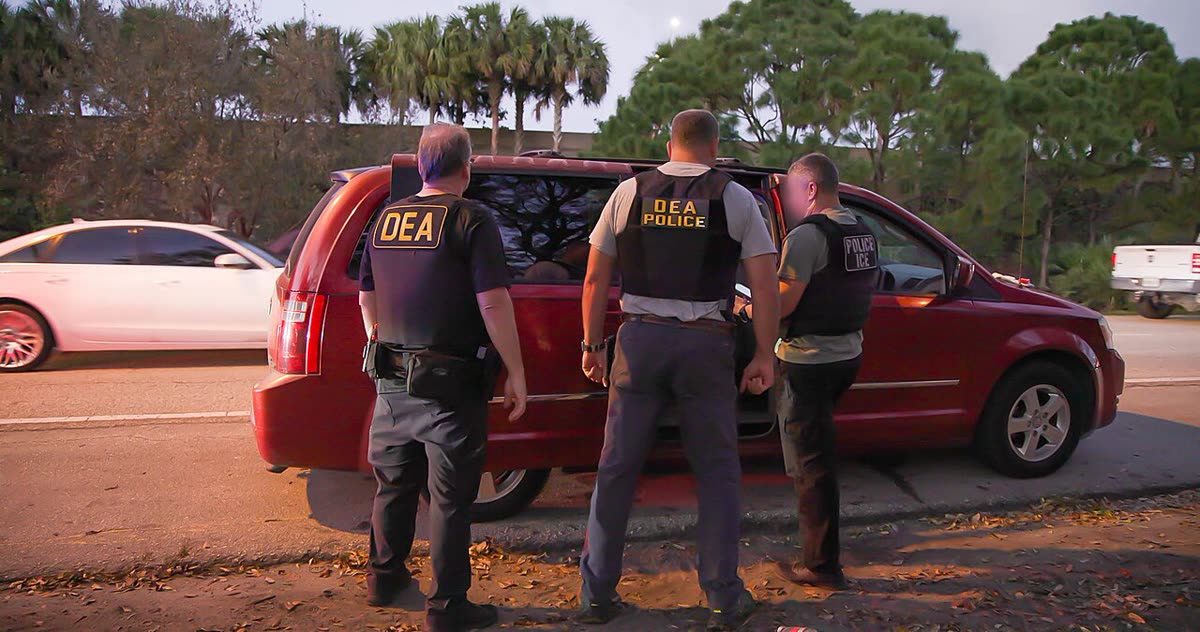
Texas town got $100,000 from ICE after one immigration arrest, ProPublica reports
ProPublica and KXAN found that federal money is a major selling point for Texas police joining ICE's 287(g) program. The money comes with few measurable results and little tracking of how it is spent.
Delivered free to your door*
The Morning Edition
One short email at 7 a.m. Eastern: the day's top files, one clip worth your time, and the race to watch. Plain English, large type, no clutter.
*Your inbox. Free. Unsubscribe with one click, any time.