Voting Rights · Report · File No. 261112-850
Black House members to fall to 60 from 63 after Supreme Court weakens Voting Rights Act
A Supreme Court ruling that weakened the Voting Rights Act is cutting Black representation in the House, NPR found. A midterm wave of Black voter turnout softened the drop, but experts warn the next redistricting rounds could bring more losses.
Every quote in this story (2) was matched word for word against its source. How we work
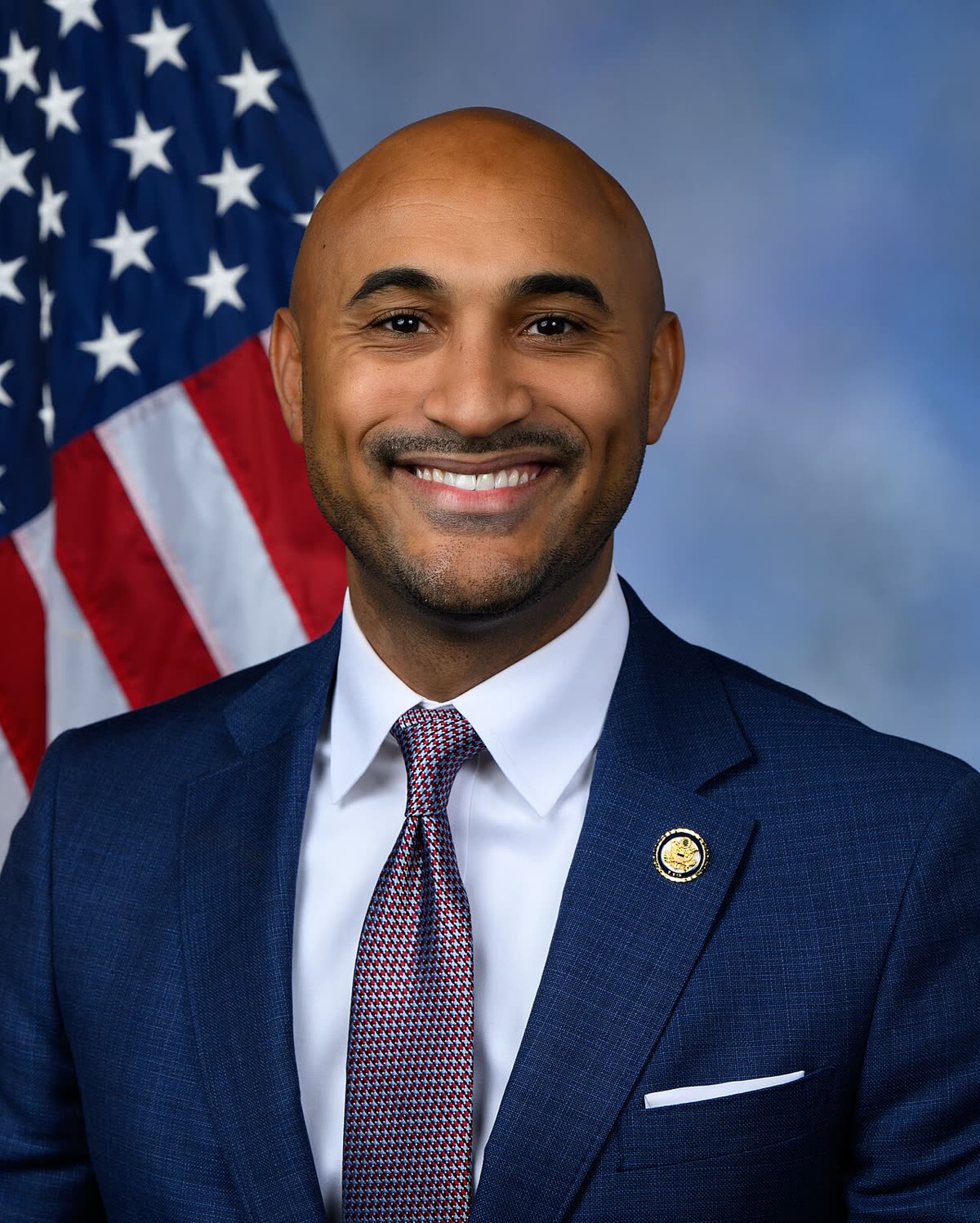
A Supreme Court ruling this year that further weakened the Voting Rights Act raised the possibility of a record drop in Black representation in Congress. A Democratic wave in the midterm elections helped hold off that decline for now, NPR reports 1.
The incoming Congress is set to include 60 Black House members, counting nonvoting members, down from 63 in the current House, according to an NPR analysis. That is one short of the record loss of four Black representatives after the 1876 election, around the end of Reconstruction 1.
What the court did
The decision was Louisiana v. Callais. It weakened the Voting Rights Act's protections against racial discrimination in political mapmaking 1. A law professor at Washington University in St. Louis says the April 2026 ruling narrowed Section 2 of the act, which guards against maps that dilute minority voting power, and led six Southern states to redraw congressional maps mid-decade 2.
In Louisiana, Democratic Rep. Cleo Fields chose not to seek reelection after the ruling struck down the Black opportunity district he represented 1. A Black opportunity district is one drawn so Black voters have a realistic chance to elect their preferred candidate.
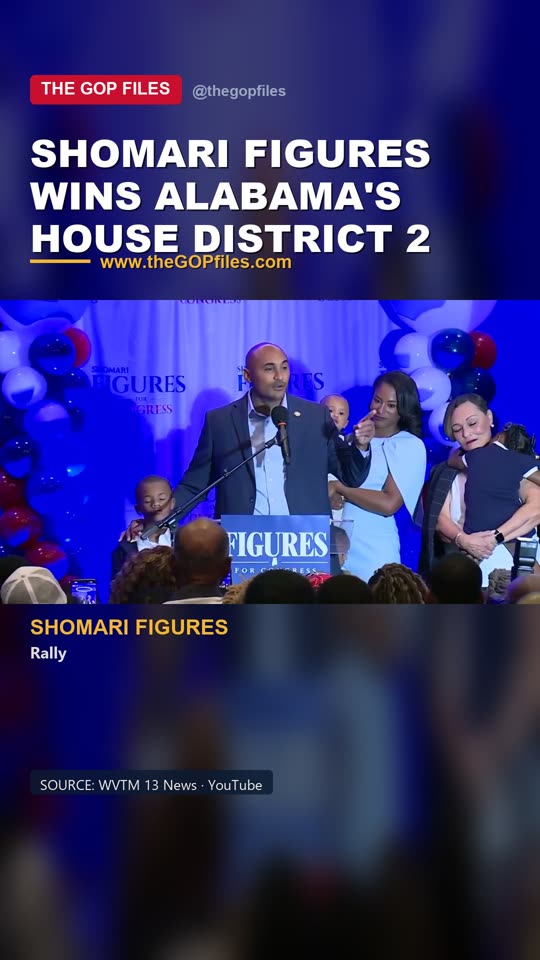 From Channel GOPShomari Figures wins Alabama's House District 2Shomari Figures · 152 plays · captioned, with the source named
Alabama's test
Rep. Shomari Figures, a Black Democrat, won reelection in Alabama even though state Republican leaders redrew his district to lean far more GOP after the ruling. A lower federal court had earlier found the new lines were "tainted by intentional race-based discrimination." The court also said they would "afford Black-preferred candidates zero chance of winning there" 1.
It took a remarkable level of turnout in order for [Figures] to be able to win,
New maps in Texas and Florida undid some Black-represented districts. In North Carolina, Rep. Don Davis, a Democrat, held his seat after the GOP legislature redrew it 1. Two incoming Black Democrats, Cyril Jefferson and LaKesha Womack, flipped districts long held by white Republicans 1.
Retirements and members running for higher office also contributed to the lower count 1. In the Senate, which has no redistricting, the new Congress will have a record seven Black senators. Among them is Scott Colom, set to be the first Black senator from Mississippi since Reconstruction 1.
Why experts urge caution
Advocates and redistricting experts warn that redrawn lines in coming years, including after the 2030 census, still threaten Black representation 1. The ruling came too late for many states to redraw maps before this year's election 1.
Kareem Crayton of the Brennan Center for Justice compared the moment to 2009, when big Democratic gains were largely wiped out within two years 1.
It could be that this is a start of a generational shift, but it might not be.
Janai Nelson, president of the Legal Defense Fund, which represents Black Louisiana voters in the case, said state legislature, city council and school board maps have largely been untouched by the ruling so far. She warned that new rounds of redrawing could have a "devastating impact" on Black voters' electability, especially in the South 1.
What happens next
In Georgia, outgoing Republican Gov. Brian Kemp said he will not call a special session on redistricting before Gov.-elect Keisha Lance Bottoms takes office in January. She will be the country's first Black woman elected governor 1.
The legal expert at Washington University wrote that the 2028 and 2030 elections will show more of the ruling's effects 2. That matters because this year's result depended on a surge in turnout that may not repeat. The new rules are now in place for mapmakers who want to use them.
The Record
- The Supreme Court decided Louisiana v. Callais, weakening Voting Rights Act protections against discriminatory maps 2.
- Rep. Shomari Figures won reelection in Alabama despite a redrawn, more Republican-leaning district 1.
- NPR's analysis finds 60 Black House members in the next Congress, down from 63, and a record seven Black senators 1.
Republish this story on your site or in your newsletter
Any site, blog or newsletter may run this story free of charge. Keep the credit line and its link to the original, do not sell it, and edit only for length or house style (the full terms). Photos carry their own licenses, noted under each photo on this page, so use the text alone unless a credit says otherwise.
Paste it into your editor's HTML view. The one-pixel image at the end tells our newsroom the story ran; it stores no reader data.
Sources
- NPR, “A blue wave helped offset for now a falling tally of Black members in the U.S. House” (2026-11-12). npr.org/2026/11/12/nx-s1-6029640/black-voter-turnout-congres
- WashU The Source, “WashU expert: Callais' impact on voting rights extends beyond 2026 midterms” (2026-11-05). source.washu.edu/2026/11/washu-expert-callais-impact-on-voti
Found an error? Tell the newsroom. Corrections are noted at the top of the story.
More from the files
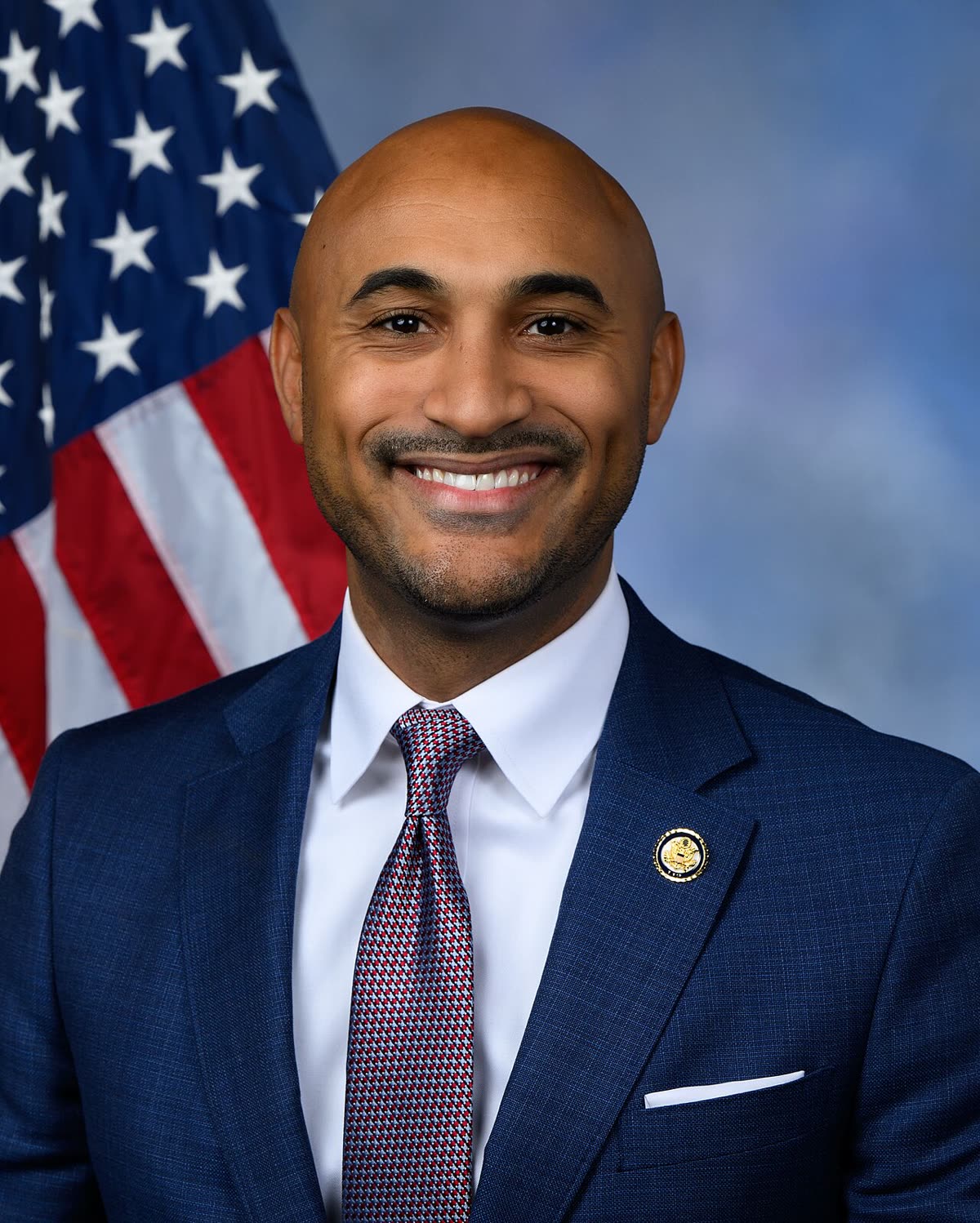
Black turnout surged in Alabama and across the South despite GOP redistricting push
Republicans redrew maps after a Supreme Court ruling weakened the Voting Rights Act, but Black voters turned out in force on Nov. 3. Democrats flipped or held seats in Alabama, Texas and Florida, the Guardian reports.
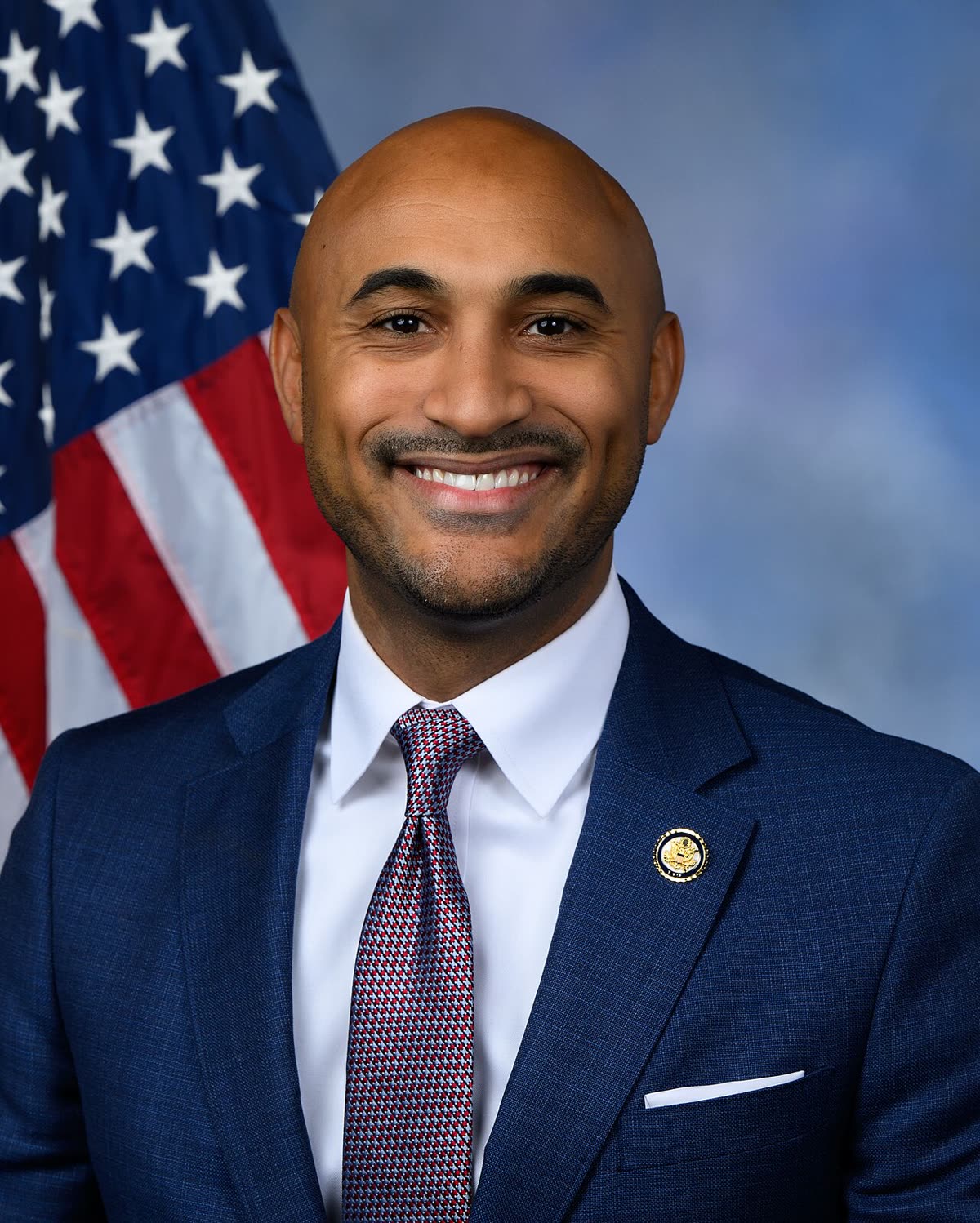
Alabama GOP redrew Rep. Figures' seat to win it. One forecaster now calls it a toss-up
After the Supreme Court weakened the Voting Rights Act, Alabama Republicans cut the Black voting-age share of Rep. Shomari Figures' district from 48% to 40%. Three days before the election, the seat Trump carried by 14 points is drawing millions of dollars and a late ratings shift.

NPR: Black turnout and a Republican drop-off swung six Southern states toward Democrats
An NPR analysis finds Democrats gained in the Deep South because Black voters turned out strongly and Republican-leaning voters stayed home. It matters because the surge followed a Supreme Court ruling that weakened the Voting Rights Act.
Delivered free to your door*
The Morning Edition
One short email at 7 a.m. Eastern: the day's top files, one clip worth your time, and the race to watch. Plain English, large type, no clutter.
*Your inbox. Free. Unsubscribe with one click, any time.