Voting Rights · Report · File No. 261112-687
Democratic officials press Postal Service to drop Trump mail ballot rule before 2028
Postal unions, civic groups and Democratic secretaries of state want the Postal Service to scrap a rule that would make states hand over lists of likely mail voters. The Supreme Court paused the rule only for this year's election.
Every quote in this story (3) was matched word for word against its source. How we work
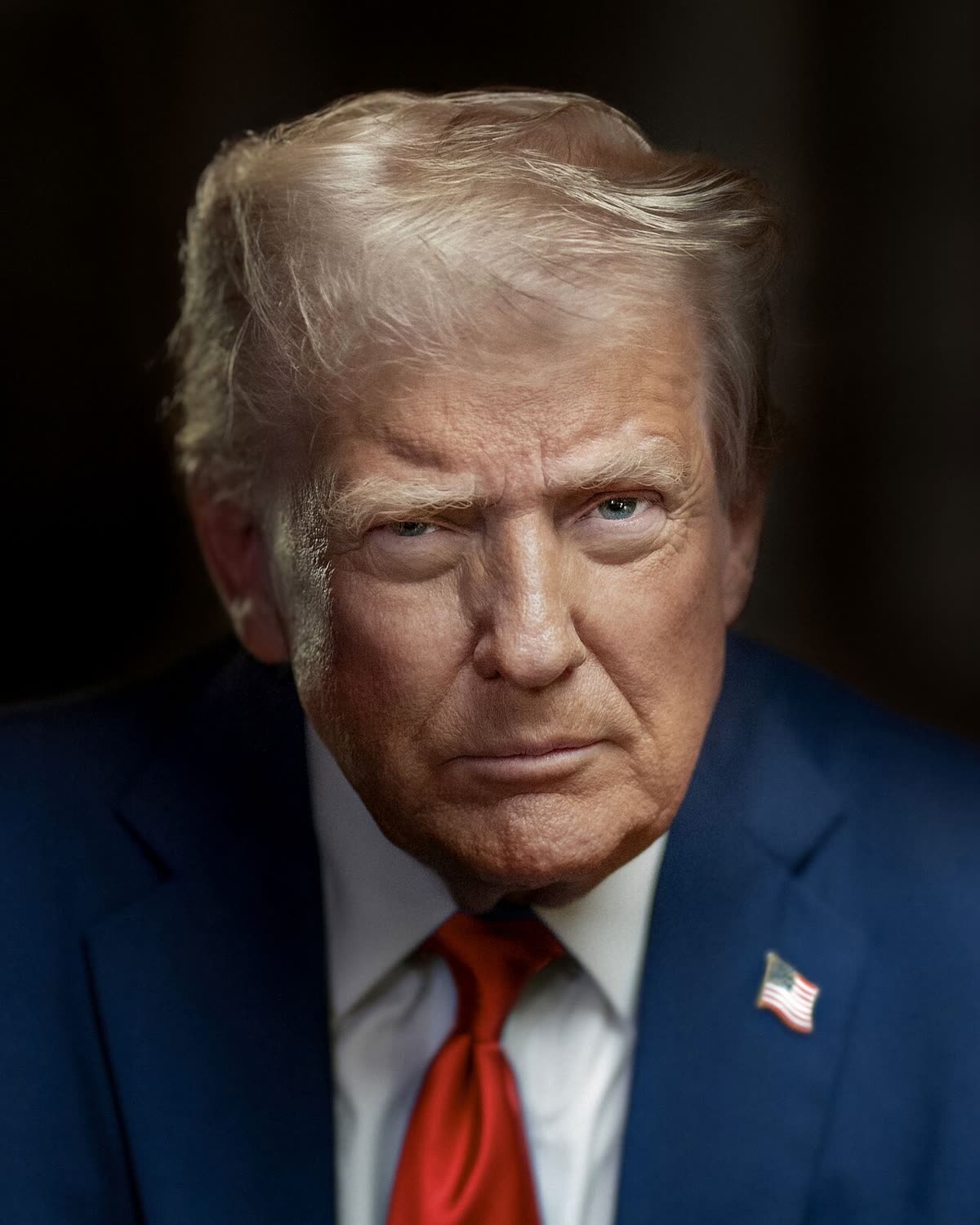
Democratic state officials, postal worker unions and civic groups are pressing the U.S. Postal Service to drop a Trump-ordered rule that sets sweeping new conditions on mail ballots. The fight sets up a clash between the states and the federal government before the 2028 election 1.
Under the rule, states that want ballots delivered by mail must send the federal government the names of likely mail voters 1. The Supreme Court blocked the Postal Service from putting the rule in place for this year's midterms. But that decision covered only this year's elections, so the rule's long-term fate is unclear 1.
What opponents said
Jonathan Smith, president of the American Postal Workers Union, spoke at a Washington news conference on Tuesday. He said the rule threatens the Postal Service's reputation for staying out of politics 1.
We should not allow a policy that threatens public confidence in the Postal Service neutrality to remain in place while its long-term status is debated in court,
Chelsey Wininger, executive director of the Democratic Association of Secretaries of State, said the March executive order is "trying to force federal control over who can and cannot receive a ballot in the mail" 1. Democratic states argue the rule intrudes on their power to run elections. The Constitution gives states that job 1.
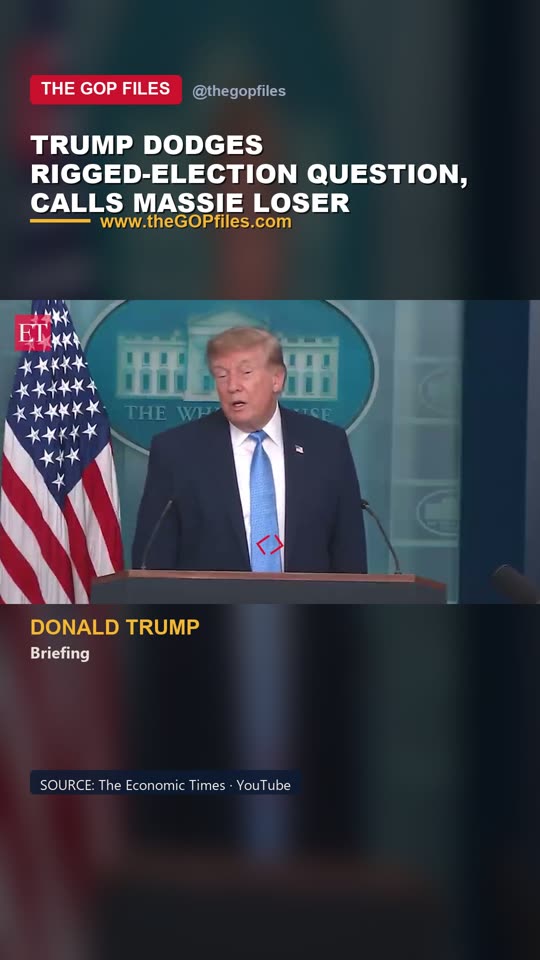 From Channel GOPTrump dodges rigged-election question, calls Massie loserDonald Trump · 525 plays · captioned, with the source named
What the rule would require
President Trump signed the order in March. It told Postmaster General David Steiner to write a rule requiring states to tell the Postal Service, at least 90 days before a federal election, whether they plan to allow ballots by mail. States would then have to send a list of planned mail voters at least 60 days before the election 1.
The Postal Service published the final rule in August. It said the rule does not make the agency an election administrator, and that states keep control of their voter rolls and decide who votes by mail 1.
The courts and the Republican case
U.S. District Judge Indira Talwani in Massachusetts issued a preliminary injunction, a temporary court order, halting the rule. The Supreme Court declined to lift it 1. SCOTUSblog reported the Sept. 14 order was unsigned. Justices Samuel Alito and Clarence Thomas dissented 2.
Justice Brett Kavanaugh agreed with pausing the rule for the midterms. He also wrote that there was "at least a fair prospect" the rule falls within the Postal Service's authority 1. That leaves the door open for the administration.
Republican officials in 11 states, led by Missouri, urged a judge not to pause the rule. They said it would add security 1. Missouri Secretary of State Denny Hoskins, a Republican, put that case in an August court declaration 1.
The Rule — if implemented — would help bolster the security of mail voting in Missouri and reduce the risk of fraud,
What happens next
The rule's fate will be decided in court. The Postal Service declined to answer questions Thursday, citing pending litigation 1. At a board meeting Tuesday, governors did not discuss the rule. They focused on the agency's finances and praised postal workers' election performance 1.
That matters because mail voting is large. At least 33.9 million mail ballots were cast in this November's election, according to the University of Florida Election Lab 1. Eight states run elections entirely by mail: California, Colorado, Hawaii, Nevada, Oregon, Utah, Vermont and Washington 1.
Many older voters rely on mail ballots. If the rule is revived, states would face new deadlines and would have to hand over lists of their mail voters to the federal government 1.
The Record
- Trump signs an executive order directing the Postal Service to write a rule on mail ballots 1.
- The Postal Service publishes the final mail ballot rule 1.
- The Supreme Court refuses to let the Postal Service enforce parts of the rule, leaving Judge Talwani's injunction in place 2.
- Postal unions and Democratic secretaries of state call on the Postal Service to rescind the rule 1.
Republish this story on your site or in your newsletter
Any site, blog or newsletter may run this story free of charge. Keep the credit line and its link to the original, do not sell it, and edit only for length or house style (the full terms). Photos carry their own licenses, noted under each photo on this page, so use the text alone unless a credit says otherwise.
Paste it into your editor's HTML view. The one-pixel image at the end tells our newsroom the story ran; it stores no reader data.
Sources
- Stateline, “Democratic state officials, USPS battle over Trump mail ballot rule ahead of 2028 election” (2026-11-12). stateline.org/2026/11/12/repub/democratic-state-officials-us
- SCOTUSblog, “Supreme Court denies Trump administration's request to implement parts of USPS rule on mail-in voting” (2026-09-14). scotusblog.com/2026/09/supreme-court-denies-trump-administra
Found an error? Tell the newsroom. Corrections are noted at the top of the story.
More from the files
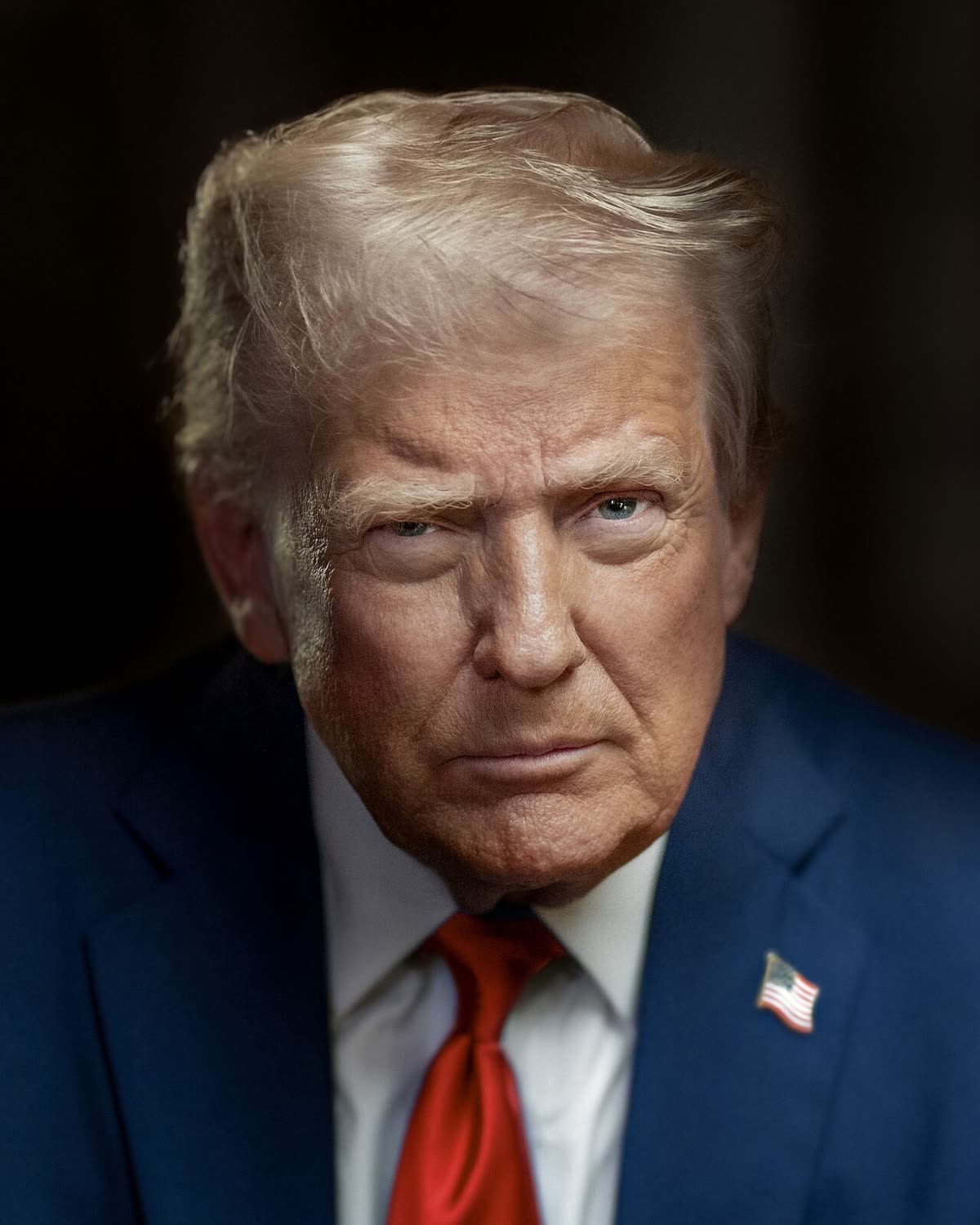
Postmaster General warns of 'drastic changes' to post offices unless Congress acts
The Postal Service lost $6.5 billion in the fiscal year that ended Sept. 30, and its chief says post offices and some mail service will be cut unless Congress acts. A new Democratic House and Senate take their seats in January.
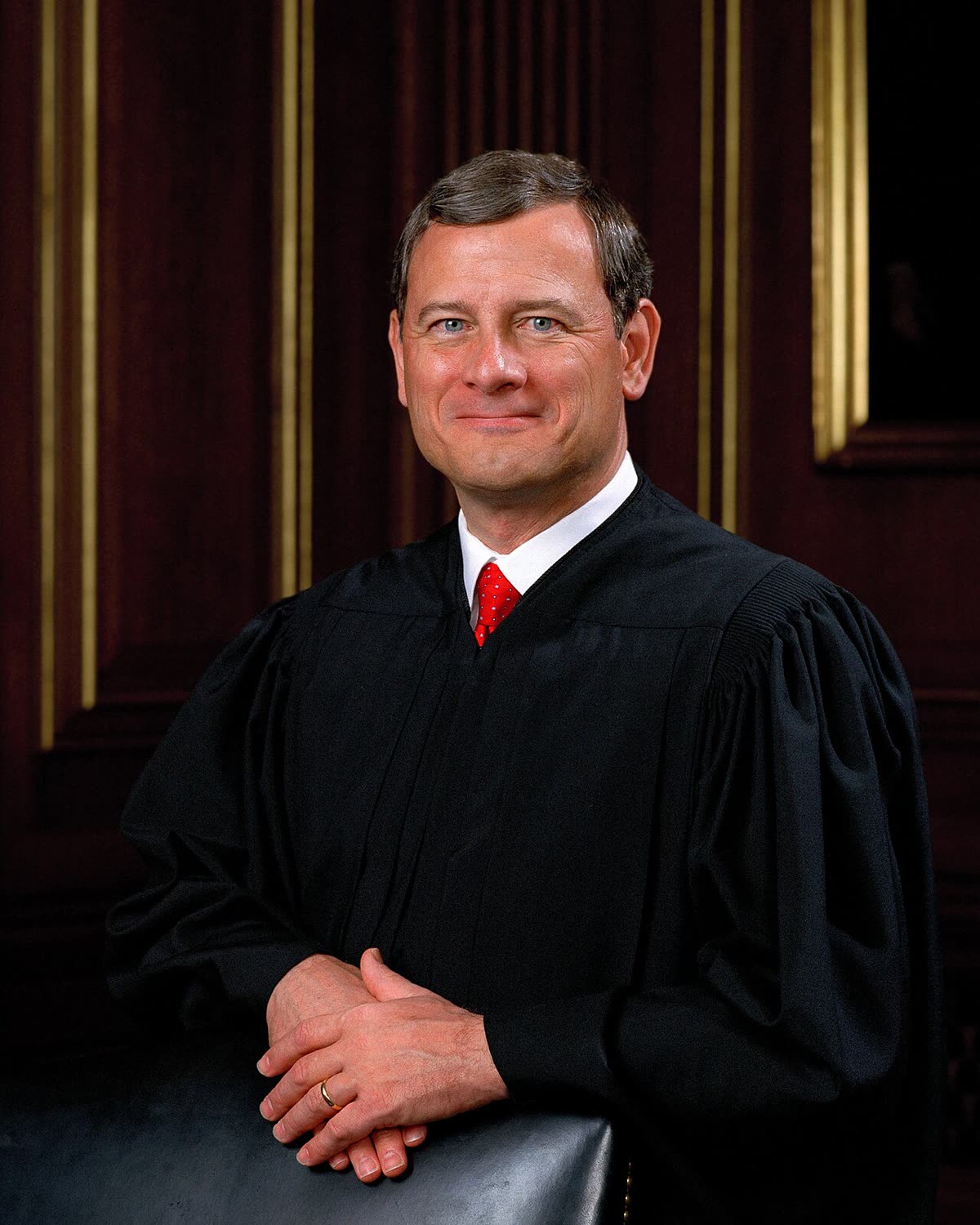
Supreme Court seems split on whether agencies can fine employers without going to court
Justices heard a case over farm-worker visas on Tuesday that could limit how federal agencies punish businesses. The administration warned a loss could disrupt programs such as Medicare and Medicaid.
Black House members to fall to 60 from 63 after Supreme Court weakens Voting Rights Act
A Supreme Court ruling that weakened the Voting Rights Act is cutting Black representation in the House, NPR found. A midterm wave of Black voter turnout softened the drop, but experts warn the next redistricting rounds could bring more losses.
Delivered free to your door*
The Morning Edition
One short email at 7 a.m. Eastern: the day's top files, one clip worth your time, and the race to watch. Plain English, large type, no clutter.
*Your inbox. Free. Unsubscribe with one click, any time.