The Justice Department plans to send roughly 1,000 election monitors to polling places on Nov. 3. That is far more than the 289 sent in the 2022 midterms and the 714 sent in the 2024 presidential election, according to Newsweek 1. A department official told PBS NewsHour the monitors will cover all 50 states 2.
A Justice Department spokesperson said there will be no monitors during early voting, and that most will be department personnel 1. The department says the goal is “transparency, ballot security, and compliance with federal law” 1.
What monitors can and can't do
Federal credentials do not give these monitors power over voters or local officials 1. Justin Levitt, a former Justice Department civil rights official who now teaches law at Loyola Law School, said they have no more legal authority than a member of the public, except in three places with court orders 1.
Apart from the three tiny jurisdictions ... where there’s a court order, DOJ monitors have no legal authority different from a member of the public,
Those three places are St. Landry Parish, Louisiana; Union County, New Jersey; and Pawtucket, Rhode Island 1. Elsewhere, monitors generally cannot enter a polling place over the objection of election officials acting under state law 1.
 From Channel GOPMadeleine Dean on reading Epstein files with a DOJ minderMadeleine Dean · 170 plays · captioned, with the source named
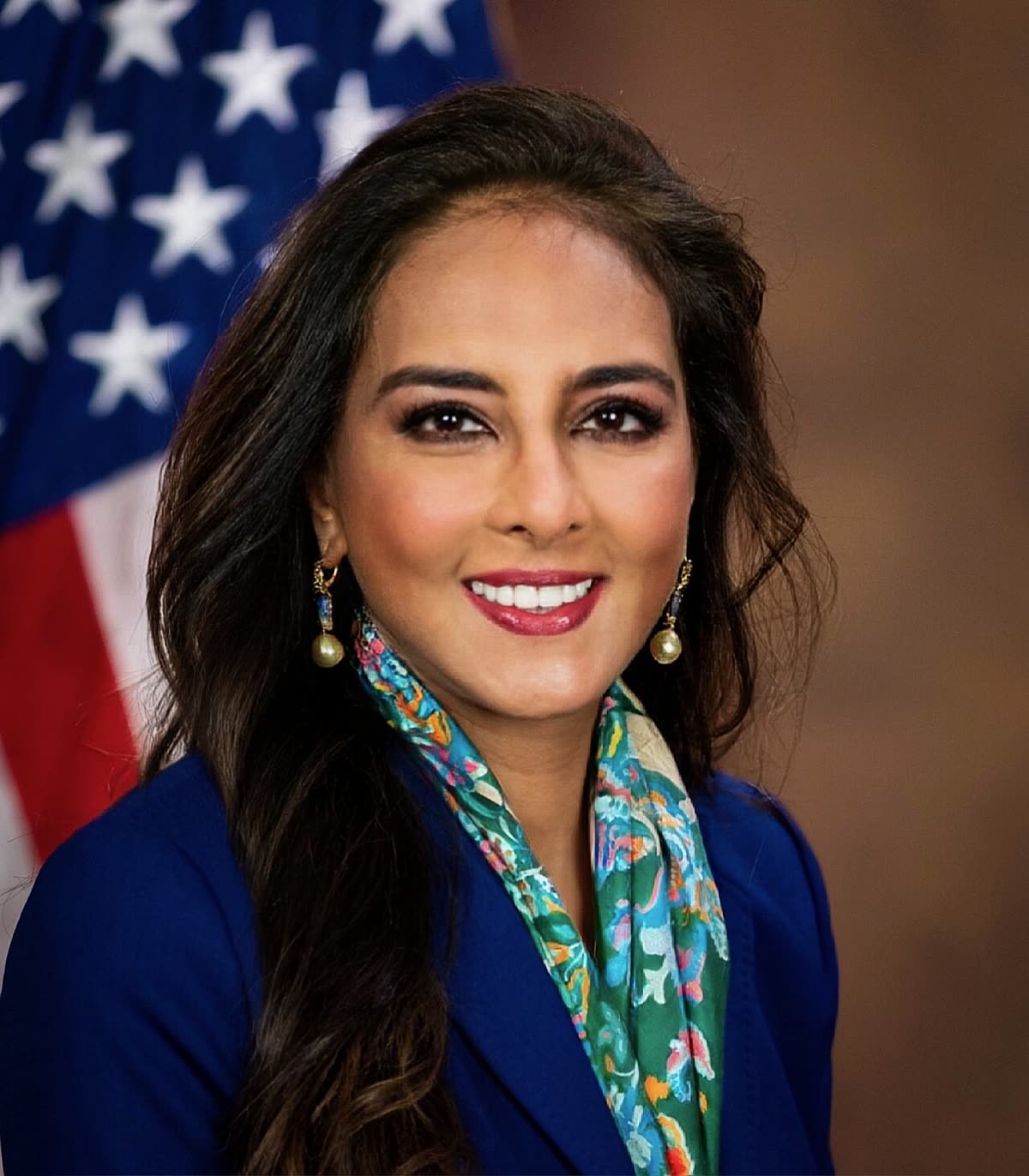
Federal personnel are also covered by laws against voter intimidation 1. The department says monitors defer to election officials on site, document what happens and report it to its Civil Rights Division 1. Harmeet Dhillon, the department's civil rights chief, said in August that monitors “can't step in and change it. All they can do is document.” 1
Disputes from the primaries
In Minnesota, Hennepin County refused to let department staff inside polling places before the August primary, so monitors stayed outside the 100-foot boundary set by state law 1. In Wyoming, Republican Gov. Mark Gordon said the observers’ behavior “sounded like” it “was a bit aggressive,” according to Newsweek 1. Laramie County Clerk Debra Lee, also a Republican, called the operation “a poorly managed exercise” 1.
Levitt said that in Wyoming the monitors were simply asked to leave, and they left 1. He told The Guardian the announcement is “very clearly messaging,” and noted the department usually does not reveal its plans until days before an election 3.
Lawsuits and reaction
The NAACP argues the deployment could intimidate voters. A federal court denied its request for a temporary restraining order on Oct. 22 1. A separate NAACP lawsuit filed Oct. 16 seeks to block federal prosecutors and other federal law enforcement from polling sites 1.
Colorado’s Democratic Secretary of State Jena Griswold said she sees no basis for sending monitors and called the department hostile to free and fair elections 2. Kansas’s Republican Secretary of State Scott Schwab said he will allow monitors in his state 2.
The Guardian reports that thousands of volunteers are training to watch the watchers. The ACLU says 68,000 new volunteers have signed up since June 3. The administration has not ruled out sending ICE and other law enforcement officers to the polls, the Guardian reports 3.
That matters because the rules are clear even if the headlines are not. Voters can expect to be left alone, and officials can ask anyone who disrupts a polling place to leave, federal or not 13.
The Record
Sources
- Newsweek, “Trump's Midterm Election Monitors: What Federal Observers Can and Can't Do” (2026-10-23). newsweek.com/doj-election-monitor-rules-midterms-12608094
- PBS NewsHour, “DOJ monitoring plans and DHS voter checks raise concerns of election interference” (2026-10-22). pbs.org/newshour/show/doj-monitoring-plans-and-dhs-voter-che
- The Guardian, “Meet the volunteers who will observe Trump’s election monitors during the midterms” (2026-10-22). theguardian.com/us-news/2026/oct/22/volunteers-trump-electio
Found an error? Tell the newsroom. Corrections are noted at the top of the story.