Climate & Disasters · Report · File No. 261116-414
EPA's chemical-detection plane skipped 80 emergencies this year, report says
The EPA's Aspect plane once flew over toxic disasters to check the air. Since early 2021 it has answered only seven emergencies, and its sensors now take about a week to deliver results.
Every quote in this story (2) was matched word for word against its source. How we work
The federal government's chemical-detection plane stayed on the ground after an ammonia leak outside a hotel in Weatherford, Oklahoma, injured 74 people last November. It also sat idle during a March fire at a Valero refinery in Port Arthur, Texas. And it stayed grounded when blasts at a Toledo, Ohio, recycling plant killed two workers in August 1.
The plane is called Aspect, and it belongs to the Environmental Protection Agency (EPA). It was built for emergencies involving toxic chemicals, oil spills and radiation. For two decades it flew over disasters from Hurricane Katrina to the Deepwater Horizon oil spill 1.
Seven emergencies in nearly six years
Since early 2021, the single-engine Cessna has responded to just seven emergencies, The Guardian reports, drawing on reporting by the nonprofit newsroom Floodlight. Over its 25-year history it has flown more than 80 emergency missions, or more than three a year on average 1.
In October, an industrial tank in Toledo leaked glycidyl methacrylate, a chemical used to make plastics. Hundreds of people were evacuated and more than 50 were treated at hospitals. It was one of at least 80 chemical emergencies this year that the plane did not respond to 1.
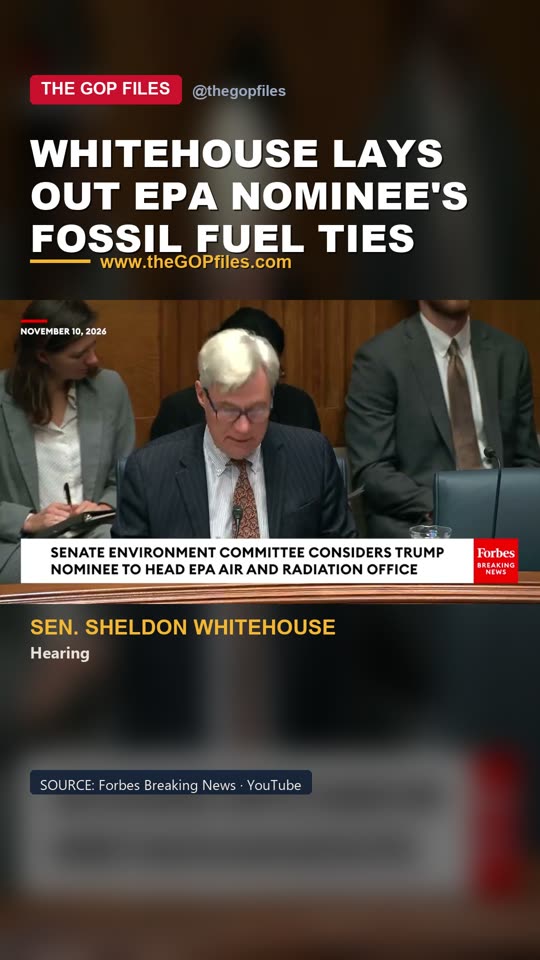 From Channel GOPWhitehouse lays out EPA nominee's fossil fuel tiesSen. Sheldon Whitehouse · 428 plays · captioned, with the source named
Ten years ago, it would have gone to all of them,
A slow sensor problem
In June, the EPA's inspector general, the agency's internal watchdog, issued a management alert after a hotline complaint. When Aspect works properly, it can get data to first responders in about five minutes. Right now it relies on manual analysis that "generally produce monitoring results in about one week," the report says 2.
The EPA says the plane's chemical sensors are wearing out and expects replacements to be working by mid-2027. The agency gave Canadian company Telops a $1.7 million contract without competitive bidding, according to procurement documents cited by The Guardian. Until the new sensors are in, the plane will likely stay unavailable for chemical emergencies 1.
Three former Aspect staffers dispute that diagnosis. They say the old sensors still work, but the agency lost the expertise and initiative that made the program effective. They also warn the new sensors may be less capable. Telops's parent company, Exosens, says its systems use different technology and can identify hundreds of chemicals with added analysis 1.
What went wrong in the field
In 2019, an EPA reorganization told Aspect staff to move to Texas or face termination, an internal memo shows. Key staff left. Former managers said they once tracked emergencies and urged coordinators to send the plane, but afterward the EPA waited to be asked 1.
After the 2023 train derailment in East Palestine, Ohio, the plane was not requested for more than two days. It missed the vent-and-burn of five railcars of vinyl chloride and collected just eight minutes of data. The EPA's inspector general is now auditing that response 1.
After the August 2025 explosion at Smitty's Supply in Roseland, Louisiana, the EPA said four air pollutants were far below levels expected to cause health effects. A former Aspect scientist later analyzed the raw data by hand, which took four weeks. He found high levels of toluene, trichloroethylene and naphthalene, which the Guardian describes as a neurotoxicant and carcinogens 1.
I fear that the public is at risk,
The EPA did not respond to Floodlight's questions about the program's decline, its emergency responses or the replacement sensors 1.
That matters because the people in the plume decide whether to leave based on what the agency tells them. The Guardian's account shows problems that began before the current term, including the 2019 reorganization and the 2023 derailment. Whether the sensors arrive on time, and whether the EPA changes how it decides to send the plane, will decide whether the next toxic release is measured quickly 1.
The Record
- An EPA reorganization told Aspect staff to move to Texas or face termination, and key staff left 1.
- A train carrying hazardous chemicals derailed in East Palestine, Ohio; Aspect flew over on Feb. 7 and collected eight minutes of data 1.
- An explosion at Smitty's Supply in Roseland, Louisiana, started a fire that burned two weeks, and Aspect was sent 1.
- The EPA inspector general found Aspect's chemical sensing relies on manual analysis that takes about a week 2.
Republish this story on your site or in your newsletter
Any site, blog or newsletter may run this story free of charge. Keep the credit line and its link to the original, do not sell it, and edit only for length or house style (the full terms). Photos carry their own licenses, noted under each photo on this page, so use the text alone unless a credit says otherwise.
Paste it into your editor's HTML view. The one-pixel image at the end tells our newsroom the story ran; it stores no reader data.
Sources
- The Guardian, “Flying blind: inside the decline of the EPA's chemical-detection plane” (2026-11-16). theguardian.com/environment/2026/nov/16/epa-chemical-detecti
- EPA Office of Inspector General, “Management Alert: Evaluation of the ASPECT Aircraft's Chemical-Sensing Capability (Report 26-E-0038)” (2026-06-23). epa.gov/office-inspector-general/report-management-alert-eva
Found an error? Tell the newsroom. Corrections are noted at the top of the story.
More from the files
Record wildfire year burns 9.5 million acres, and burn scars threaten drinking water
More than 9.5 million acres have burned in the U.S. in 2026, and new studies say wildfire contamination of drinking water sources can last up to eight years or longer. Small towns can face months of costly workarounds.
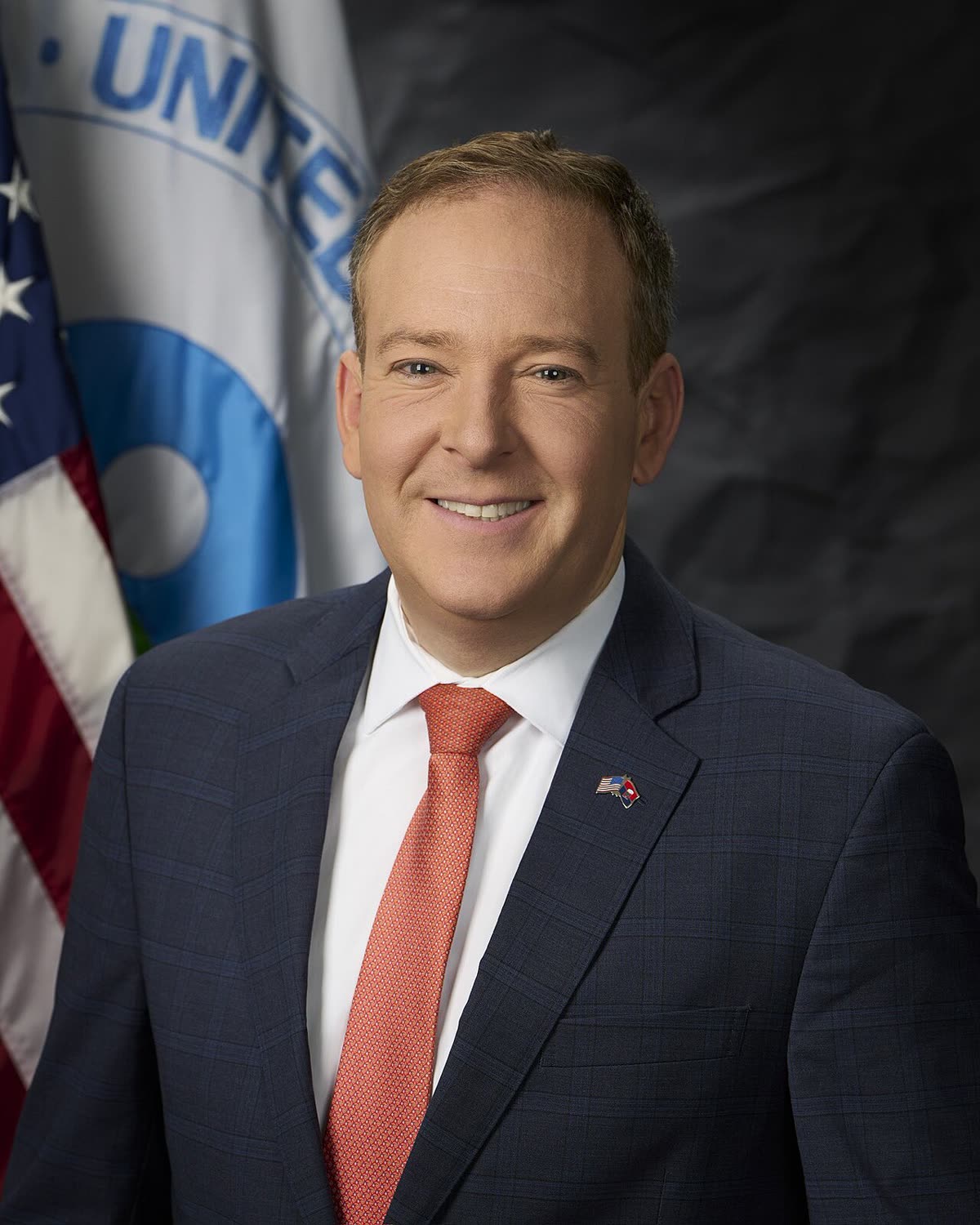
Forever chemicals found in tap water for 197 million as EPA moves to drop four limits
A new analysis of federal and state testing finds PFAS chemicals in water systems serving 197 million Americans, 23 million more than federal testing alone showed. It comes as the Trump EPA works to throw out limits on four of these chemicals and give some utilities more time on the other two.

Democrats plan clean energy push to cut power bills, but Trump vows vetoes
Democrats say they will use their new majorities to push clean energy and investigate Trump's climate rollbacks, tying them to household costs. Trump's veto power limits what can become law.
Delivered free to your door*
The Morning Edition
One short email at 7 a.m. Eastern: the day's top files, one clip worth your time, and the race to watch. Plain English, large type, no clutter.
*Your inbox. Free. Unsubscribe with one click, any time.