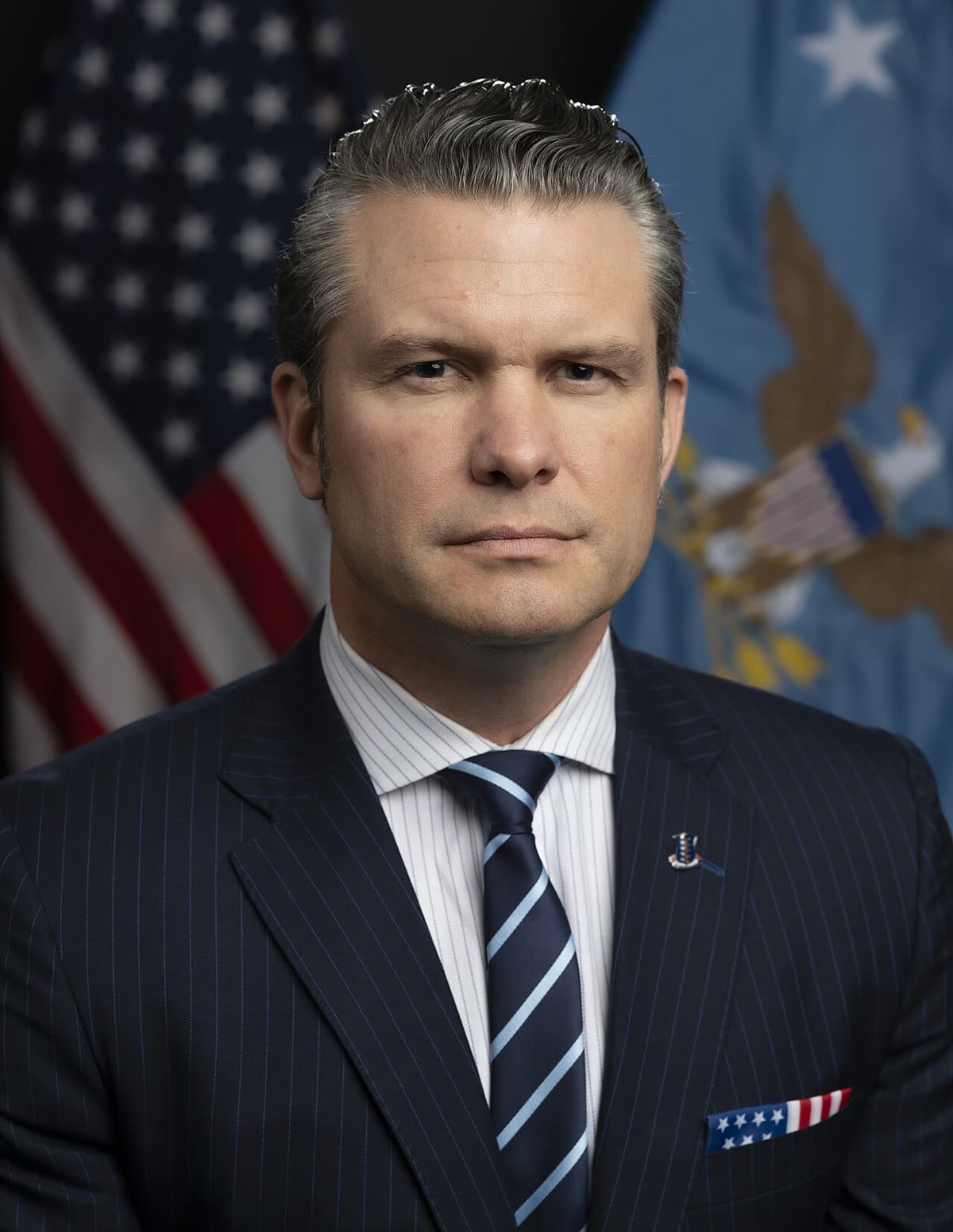
Defense Secretary Pete Hegseth has banned Defense Department personnel from using nonpublic information to bet on U.S. military operations, according to a memo CBS News obtained 1. The Oct. 20 message went to senior Pentagon leaders and combatant commanders, the officers who run U.S. military operations in specific regions or missions 1.
The ban covers both classified and unclassified information. It names prediction markets such as Polymarket and Kalshi, websites where people bet money on the outcome of real-world events 1.
What the memo says
Hegseth wrote that betting could expose troop movements to foreign enemies and endanger Americans in uniform 1. He said foreign intelligence services could study betting activity to anticipate American military movements, targets and the timing of an operation 1.
Make no mistake why this matters. Our enemies watch movements in these markets,
The memo says violators could face administrative discipline or criminal action under federal law or the Uniform Code of Military Justice, the laws and rules that govern the U.S. military 1.
The case behind it
The order follows growing scrutiny of service members who bet on military events. In April, Army Master Sgt. Gannon Ken Van Dyke, a Special Forces soldier involved in the operation that captured Venezuelan leader Nicolas Maduro, was arrested 1.
Federal investigators believe he made bets of more than $33,000 on Polymarket within hours of President Trump's January announcement that Maduro had been captured. The bets allegedly brought winnings of more than $409,000 1. He pleaded not guilty in New York federal court, and the charges remain allegations 1.
The Justice Department charged an active-duty special operations soldier on April 23, alleging he used classified information about the raid to bet on Polymarket, according to a letter from House members. That letter put the alleged profits above $400,000 2.
Congress pushed first
On May 4, Rep. Eugene Vindman, a Virginia Democrat, led 15 other House members in a letter asking Hegseth for a department-wide order or regulation. They wanted military and civilian personnel barred from using prediction markets to bet on national security topics, with violators held accountable under the military justice code 2.
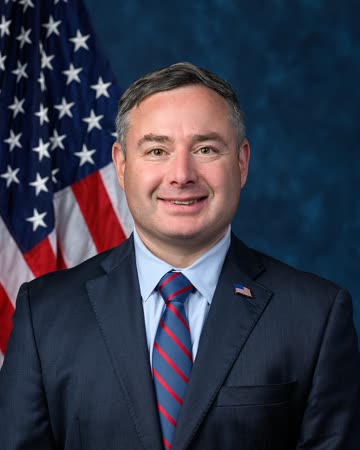
Our intent is not to ban prediction markets.
The record shows Hegseth's memo came about five and a half months after that letter and about six months after the arrest. Whether he acted in response to the letter is not stated in the sources we reviewed.
What happens next
The memo does not say how the department will watch for violations, and the reporting so far does not describe any new enforcement tools 1. The Van Dyke case continues in federal court 1.
That matters because military secrets are meant to protect troops, not to make money. A memo is an internal order that a future defense secretary could change. Readers who care about accountability at the Pentagon should watch whether violators are actually prosecuted.
The Record
- The Justice Department charged an active-duty special operations soldier over alleged Polymarket bets tied to the Maduro raid 2.
- Rep. Eugene Vindman and 15 other House members asked Hegseth for a department-wide ban on national security betting 2.
- Hegseth sent a memo to senior Pentagon leaders and combatant commanders banning bets on military operations with nonpublic information 1.
Sources
- CBS News, “Hegseth bans use of nonpublic info for bets on U.S. military ops” (2026-10-22). cbsnews.com/news/hegseth-betting-ban-military-operations/
- Office of Rep. Eugene Vindman, “Vindman letter urging Hegseth to bar national security betting on prediction markets” (2026-05-04). vindman.house.gov/?p=42810
Found an error? Tell the newsroom. Corrections are noted at the top of the story.