Health Care · Report · File No. 261113-685
Medicaid work rules exempt Native Americans, but spotty state checks could cost coverage
Federal law excludes tribal citizens from Medicaid work requirements. With little federal guidance, states are using different proof rules, and Native leaders fear a repeat of the 2023 coverage losses.
Every quote in this story (2) was matched word for word against its source. How we work
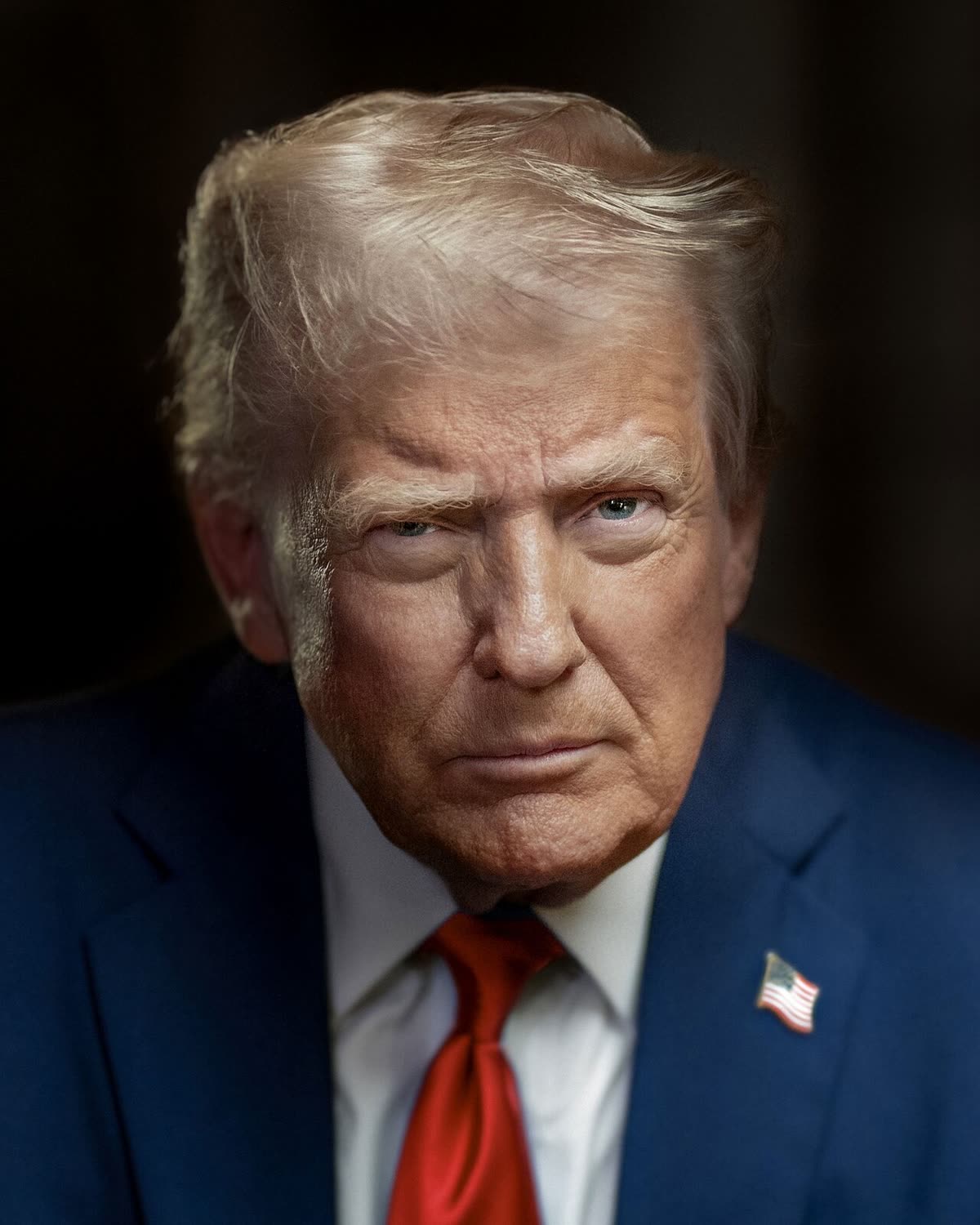
Native Americans are exempt from the new Medicaid work requirements. But some could still lose coverage because the federal government gave states little direction on how to identify them, KFF Health News reported Friday. 1
President Donald Trump's One Big Beautiful Bill Act excluded Native Americans from the rules, which require many enrollees to show they are working, in school or in another qualifying activity. The federal Centers for Medicare & Medicaid Services (CMS) did not set a standard way for states to find those people. States were left to work it out themselves. 1
A patchwork of proof rules
KFF Health News asked 14 states how they would apply the exemption and found they plan to check tribal status in different ways. 1 Arizona, Colorado, Montana, Nevada, New Mexico and Washington let people identify their tribal status on the Medicaid application. 1
North Carolina requires a tribal enrollment card, a tribal census record, or confirmation from the Eastern Band of Cherokee Indians' managed-care program. 1 Utah says people whose status is not verified may have to meet the work requirement every month to keep Medicaid. 3
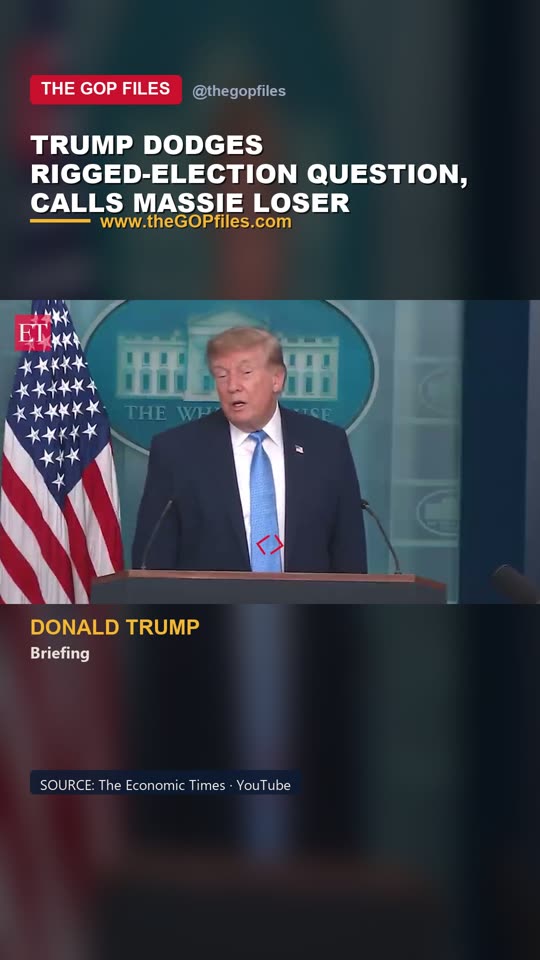 From Channel GOPTrump dodges rigged-election question, calls Massie loserDonald Trump · 525 plays · captioned, with the source named
CMS's June guidance told states to use data they already have before asking Native enrollees for more records. It did not set a standard process, so states can demand more proof than federal rules require. It also did not require states to share data with tribes. 1
There’s still going to be folks that fall through the cracks,
A.C. Locklear is CEO of the National Indian Health Board. He said that if CMS waits until December to issue more specific guidance, states will have already set their own processes. CMS did not respond to KFF Health News' questions about whether it plans more guidance. 1
Why leaders are worried
Native leaders point to the Medicaid "unwinding" in 2023, when states resumed eligibility checks after a covid-era pause. An estimated 850,000 Native Americans lost coverage by May 2024, often because of paperwork. 1
I’m nervous. I’m extremely nervous,
About 87% of Native people live outside areas the Census Bureau calls tribal statistical areas, such as reservations. A Navajo citizen living in Connecticut, for example, may be hard for that state to identify. Several states told KFF Health News they do not track tribal affiliation, and ethnicity questions on applications are optional. 1
The exemption also leaves out some Indigenous people, such as Native Hawaiians. 1
What happens next
Montana, Nebraska, Arkansas and Georgia are already running work-requirement checks ahead of the Jan. 1 federal deadline. Iowa starts Dec. 1. 1 The National Council of Urban Indian Health has asked HHS and CMS for binding guidance so states apply the exemption automatically. 2
That matters because the exemption exists on paper but depends on state computers and caseworkers to work in practice. In North Carolina, 3,400 Native enrollees are verified as exempt and will be exempted automatically. The state does not know how many more may qualify. 1 The pattern from 2023 is that people who qualify lose coverage over missing paperwork.
The Record
- An estimated 850,000 Native Americans had lost Medicaid coverage by May 2024 after the pandemic-era pause ended, often over paperwork 1
- CMS published its work-requirement guidance in June, telling states to use existing data first and setting no standard proof process for tribal status 1
- KFF Health News reports states use different proof rules, weeks before the Jan. 1 federal deadline 1
Republish this story on your site or in your newsletter
Any site, blog or newsletter may run this story free of charge. Keep the credit line and its link to the original, do not sell it, and edit only for length or house style (the full terms). Photos carry their own licenses, noted under each photo on this page, so use the text alone unless a credit says otherwise.
Paste it into your editor's HTML view. The one-pixel image at the end tells our newsroom the story ran; it stores no reader data.
Sources
- KFF Health News, “Medicaid Work Rules Don’t Apply to Native Americans. They Could Still Lose Coverage” (2026-11-13). kffhealthnews.org/health-care-costs/medicaid-work-rule-requi
- National Council of Urban Indian Health, “NCUIH Releases New Resource on Medicaid Work Requirements and the AI/AN Exemption” (2026-08-14). ncuih.org/2026/08/14/ncuih-releases-new-resource-on-medicaid
- Utah Medicaid, “Information for American Indians and Alaska Natives (AI/AN)” (2026-11-13). medicaid.utah.gov/aian/
Found an error? Tell the newsroom. Corrections are noted at the top of the story.
More from the files
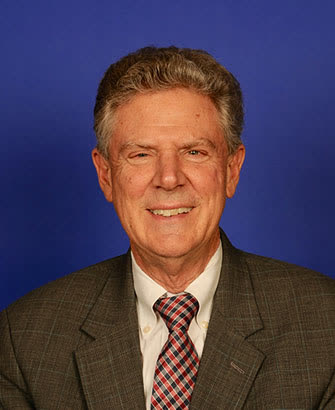
Pallone and Wyden urge CMS to let states delay Medicaid work rule before Jan. 1
Two top congressional Democrats asked Medicare chief Mehmet Oz to give every state more time before Medicaid work reporting starts Jan. 1, 2027. They say states' systems aren't ready and people could lose coverage.
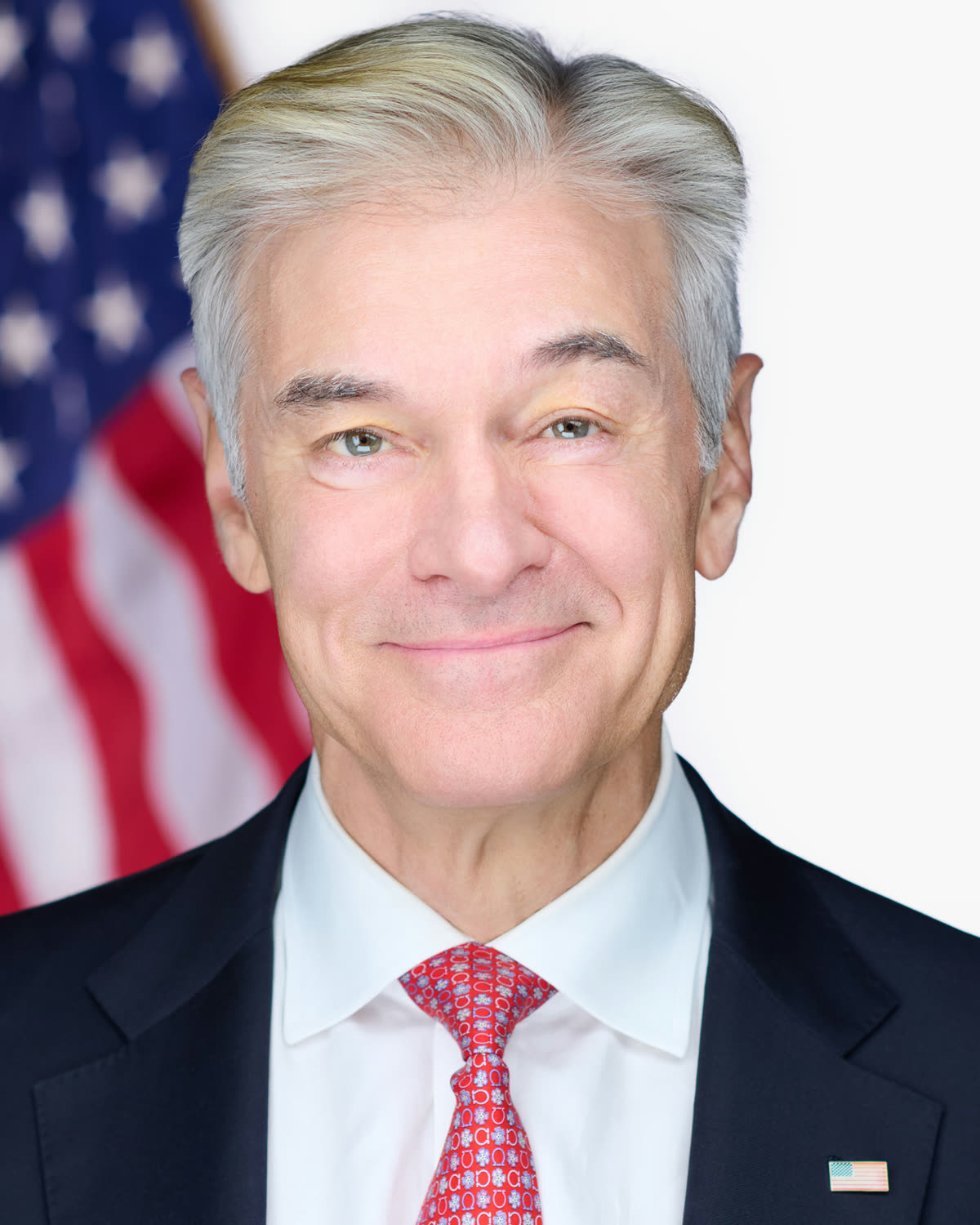
Trump administration awards $10 billion in rural health funds to all 50 states
The second yearly payment of a $50 billion rural health program went out Nov. 9, after a missed deadline. Critics say the fund is too small to offset Medicaid cuts that hit rural hospitals.
Judge blocks Trump rule making sick Medicaid patients prove they can't meet work rules
A federal judge in Boston ruled that the Trump administration illegally narrowed Medicaid's "medically frail" exemption. People with serious illnesses no longer have to show their condition keeps them from meeting the 80-hour-a-month work rule. The judge did leave other new paperwork limits in place.
Delivered free to your door*
The Morning Edition
One short email at 7 a.m. Eastern: the day's top files, one clip worth your time, and the race to watch. Plain English, large type, no clutter.
*Your inbox. Free. Unsubscribe with one click, any time.