The White House · Report · File No. 261102-735
Judge blocks Trump rule making sick Medicaid patients prove they can't meet work rules
A federal judge in Boston ruled that the Trump administration illegally narrowed Medicaid's "medically frail" exemption. People with serious illnesses no longer have to show their condition keeps them from meeting the 80-hour-a-month work rule. The judge did leave other new paperwork limits in place.
Every quote in this story (4) was matched word for word against its source. How we work
A federal judge in Boston has blocked part of the Trump administration's plan for Medicaid work requirements. The blocked rule would have made many people with serious illnesses prove that their condition keeps them from meeting the work rules before they could be excused 12.
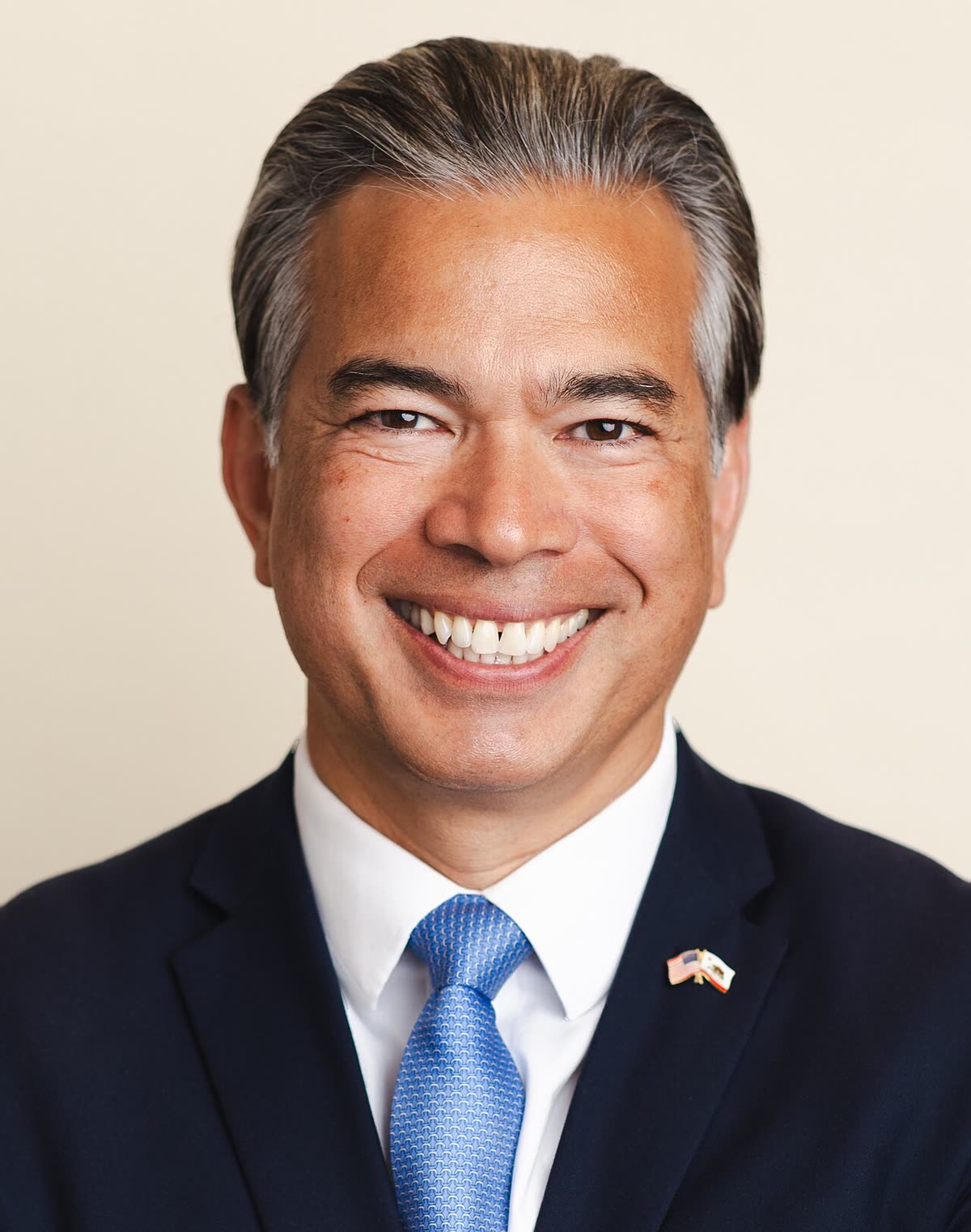
U.S. District Judge Richard Stearns ruled on Thursday, Oct. 29, in a lawsuit filed in June by 25 states and the District of Columbia 23. Democratic attorneys general from California, Massachusetts and New Jersey led the case 13. Stearns, who was appointed by President Bill Clinton, found that the rule unlawfully narrowed who counts as "medically frail" 3.
The change matters for adults ages 19 to 64 who get Medicaid through the program's expansion. Starting Jan. 1, 2027, they must work, volunteer or do job training 80 hours a month, or be in school at least half time, to keep their coverage 28. Medicaid is the health program for low-income Americans. States and the federal government pay for it together 5.
What the judge blocked
The work rules come from the 2025 tax and spending law Republicans named the "One Big Beautiful Bill," which President Trump signed last year 23. That law excuses people who are medically frail. It defines that group to include people who are blind or disabled, people with substance use or disabling mental disorders, and people with serious or complex medical conditions 2.
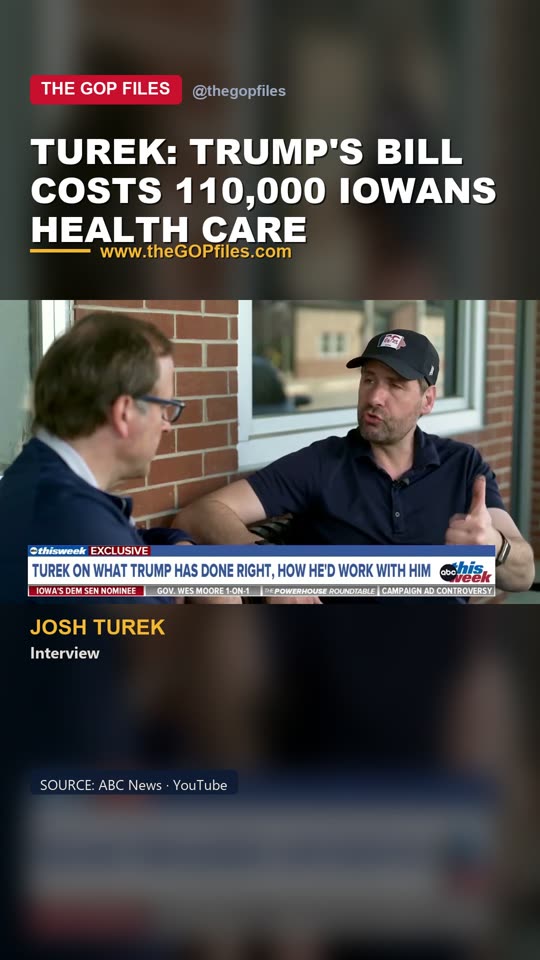 From Channel GOPTurek: Trump's bill costs 110,000 Iowans health careJosh Turek · 15 plays · captioned, with the source named
On June 1, 2026, the Centers for Medicare and Medicaid Services (CMS), the federal agency that runs both programs, issued a rule nearly 400 pages long to put the law into effect 79. The agency's fact sheet limited the exemption to adults who are "Medically frail or otherwise have special medical needs that significantly impair their ability to comply with the requirement" 8.
Researchers at KFF, the nonpartisan health policy group, found that the rule tied frailty to whether a person could meet the work requirement and barred states from adding their own categories 9. KFF noted that "the rule does not allow states to exempt all people with cancer, HIV, Parkinson's disease, or multiple sclerosis" 9.
Stearns wrote that enforcing the narrow definition "may lead to the disenrollment of otherwise eligible vulnerable individuals" 3. He also found that the states had shown harm because:
they face the burden of costly and intensive alterations to their eligibility verification systems
The court struck the challenged language and issued a permanent injunction, an order that bars enforcement. According to the attorneys general, it also gave the states that sued a six-month stay of enforcement so they have time to change their systems 56.
What still stands
The states did not win everything. The judge did not strike down the work requirements themselves 24. He also upheld two other federal limits on how states check medical frailty 24.
Under those limits, states must reject proof of frailty if the diagnosis is more than a year old. States may also accept a person's own statement about their condition only once per continuous enrollment period 24. KFF explained that someone who vouches for themselves when they apply would need documents at renewal, usually about six months later 9. On those two points, Stearns sided with the government:
the government provided a non-frivolous rationale for adopting each provision
Both sides, in their own words
California Attorney General Rob Bonta, a Democrat, called the decision a major victory for vulnerable residents 5. He spoke directly about the people at risk:
People with serious illnesses or disabilities should not have to worry about losing their healthcare because of work requirements or related barriers.
When CMS released the rule in June, its administrator, Dr. Mehmet Oz, made the case for it 7:
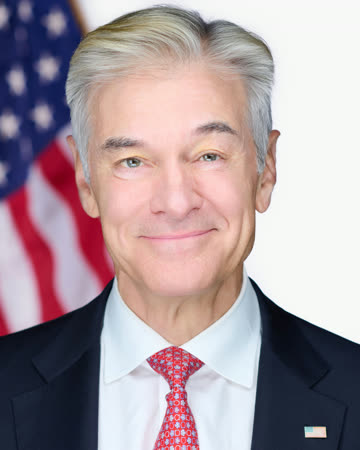
This rule helps Americans build skills and independence through work, education, job training, or community service,
Reuters reported that CMS declined to comment on the ruling 1. When the Associated Press published its story, neither the Department of Health and Human Services (HHS) nor CMS had answered a request for comment 2.
Why the stakes are large
That matters because of how many people are involved. Late last year, KFF Health News reported that the rules will require "more than 18 million Medicaid enrollees nationwide to show they're working" 10. The same report cited KFF data that 44% of adults in expanded Medicaid programs have at least one chronic health condition 10.
The Congressional Budget Office (CBO), the nonpartisan budget scorekeeper for Congress, expects the work rules to be the "largest driver of health insurance coverage losses" over the next decade 10. KFF says CBO estimates the rules will not meaningfully raise employment, but millions of people will end up uninsured 9. CMS, for its part, points to an HHS study estimating that the rules could lift as many as 2.9 million people out of poverty, depending on factors such as job availability 7.
The eight states that never expanded Medicaid are not covered by the work rules: Alabama, Florida, Kansas, Mississippi, South Carolina, Tennessee, Texas and Wyoming 10.
The pattern is familiar. Congress wrote an exemption for sick people, and the administration's rule made it harder to use. A court has now put back part of what lawmakers wrote, but only part. The work requirement itself and the two verification limits remain. Whether any of that changes is up to Congress, and the whole House and a third of the Senate are on Tuesday's ballot.
The Record
- KFF Health News reports that the 2025 law will require more than 18 million Medicaid enrollees to show they are working, starting in 2027 10.
- CMS issues its rule putting the work requirements into effect, limiting the medically frail exemption to conditions that significantly impair a person's ability to comply 78.
- KFF finds the rule requires a more restrictive definition of medical frailty and bars blanket exemptions for conditions such as cancer and Parkinson's disease 9.
- Judge Richard Stearns blocks the narrow frailty definition in a suit by 25 states and D.C., but upholds two other verification limits 23.
- Medicaid work requirements are set to begin for expansion adults ages 19 to 64 28.
Republish this story on your site or in your newsletter
Any site, blog or newsletter may run this story free of charge. Keep the credit line and its link to the original, do not sell it, and edit only for length or house style (the full terms). Photos carry their own licenses, noted under each photo on this page, so use the text alone unless a credit says otherwise.
Paste it into your editor's HTML view. The one-pixel image at the end tells our newsroom the story ran; it stores no reader data.
Sources
- Reuters (via NY Daily Record), “US judge blocks Trump limits to Medicaid work requirement exceptions” (2026-10-30). nydailyrecord.com/2026/10/30/us-judge-blocks-trump-limits-to
- PBS NewsHour (AP), “Judge blocks Trump administration's Medicaid work requirement rule forcing proof of medical frailty” (2026-10-29). pbs.org/newshour/health/judge-blocks-trump-administrations-m
- NBC News, “Judge blocks 'medically frail' definition in Medicaid work requirement rule” (2026-10-29). nbcnews.com/health/health-care/judge-blocks-medically-frail-
- ABC News (AP), “Judge blocks Trump administration's Medicaid rule forcing sick recipients to prove frailty” (2026-10-29). abcnews.com/Health/wireStory/judge-blocks-trump-administrati
- California Attorney General's Office, “Press release: Court rules Trump Administration's implementation of Medicaid work requirements unlawful” (2026-10-29). oag.ca.gov/node/632054
- WRNJ Radio, “Federal judge blocks Trump administration's Medicaid work requirement restrictions in New Jersey co-led lawsuit” (2026-10-30). wrnjradio.com/federal-judge-blocks-trump-administrations-med
- CMS, “CMS Launches Nationwide Framework to Implement Medicaid Work Requirements” (2026-06-01). cms.gov/newsroom/press-releases/cms-launches-nationwide-fram
- CMS, “Medicaid Community Engagement Requirement for Certain Individuals Interim Final Rule with Comment Period (CMS-2454-IFC) fact sheet” (2026-06-01). cms.gov/newsroom/fact-sheets/medicaid-community-engagement-r
- KFF, “CMS Requires More Restrictive Definition of Medical Frailty in New Medicaid Work Requirements Rule” (2026-06-02). kff.org/quick-insights/cms-requires-more-restrictive-definit
- KFF Health News, “Medicaid work rules exempt the 'medically frail.' Deciding who qualifies is tricky” (2025-12-01). kffhealthnews.org/health-care-costs/medicaid-work-rules-exem
Found an error? Tell the newsroom. Corrections are noted at the top of the story.
More from the files
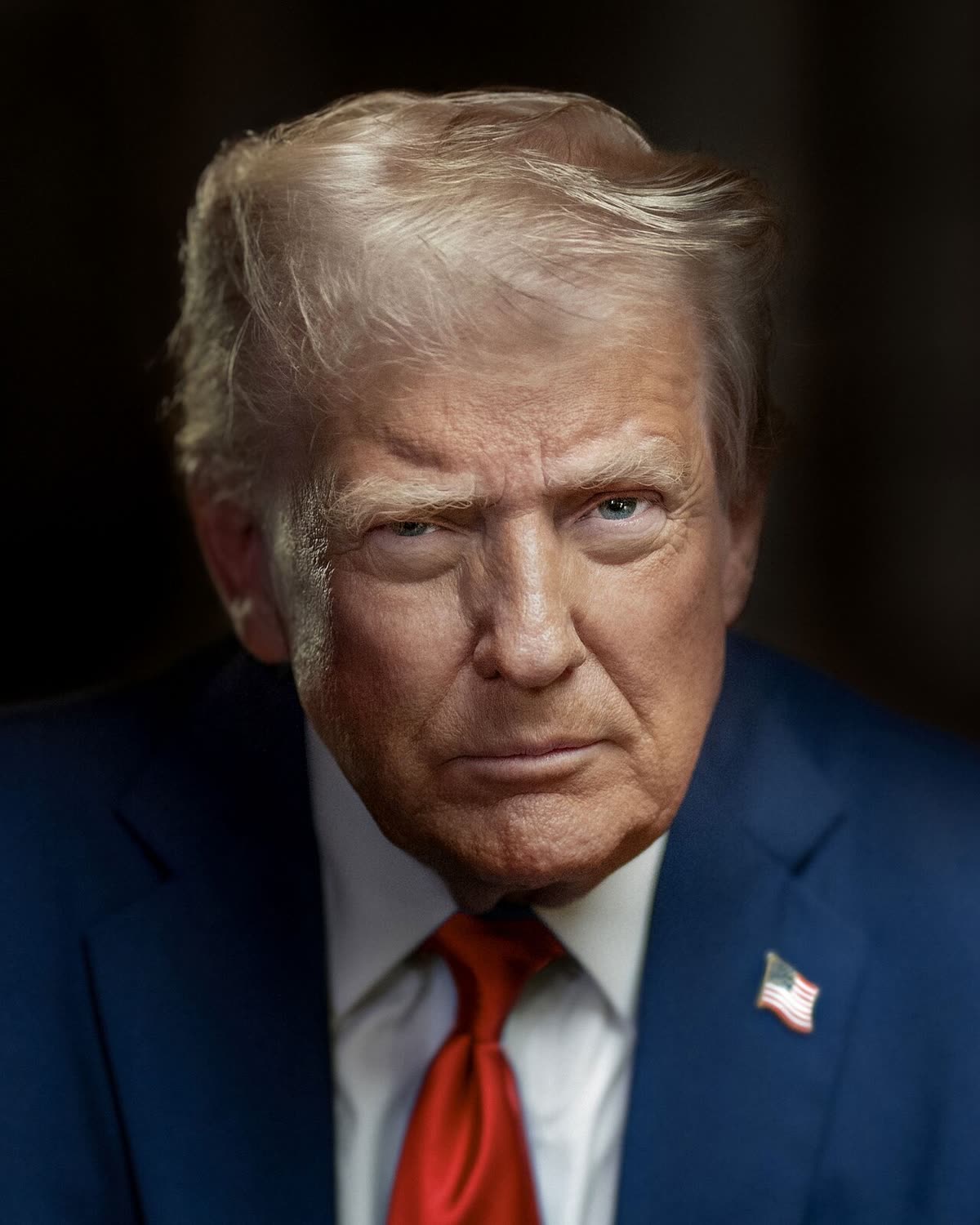
Trump announces $275 million Nurses for Nursing Homes plan, paid from facility fines
The program offers up to $40,000 in loan repayment to nurses who commit to three years at a nursing home. Trump announced it at a Florida rally 11 days before the midterms. The money comes from fines on nursing homes, not new appropriations.
Medicare drug-pay cut could trim copays and strain cancer aid; decision expected soon
Connecticut hospitals say a Trump administration plan to cut Medicare payments for discounted drugs could threaten help for cancer patients. The plan would also lower some seniors' copays, and a decision is expected in early November.
Trump officials head to St. Cloud, Minnesota, to announce new anti-fraud measures
Five top federal officials are set to announce anti-fraud steps in Minnesota on Friday, four days before the midterms. The state has been a central target of the administration's fraud push.
Delivered free to your door*
The Morning Edition
One short email at 7 a.m. Eastern: the day's top files, one clip worth your time, and the race to watch. Plain English, large type, no clutter.
*Your inbox. Free. Unsubscribe with one click, any time.