Health Care · Report · File No. 261124-502
New study: newborn hepatitis B vaccination falls to 66%, down from 80% in 2022
A study of 1.3 million births finds fewer newborns get the hepatitis B shot, including a small drop among babies of infected mothers. A federal judge has blocked the advisers' December vote to end the universal birth-dose advice.
Every quote in this story (2) was matched word for word against its source. How we work
Listen to this story0:00 / 5:24
5 min listen · read by a computer voice from our story text · More stories to hear

Fewer newborns in the United States are getting vaccinated against hepatitis B, an incurable infection that can lead to liver disease. A large new analysis found the drop includes babies whose mothers are known to have the virus 1.
As of June, 66% of newborns got the shot within a day of birth, down from 80% in 2022, according to the study published Tuesday in NEJM Evidence, a medical journal 1. The study was done by Truveta, a health care data company. It used medical records from more than 1.3 million babies born from January 2018 through June of this year 12.
What the numbers show
Newborn vaccination rose from 76% in 2018 to 80% in 2022. It began falling in mid-2023 1. The birth dose is a safety net for babies whose mothers do not know they are infected and pass the virus on during childbirth 1.
The risk to infants is serious. Up to 90% of babies who get the virus develop chronic infections, which puts them at risk of liver failure and liver cancer later in life 1.
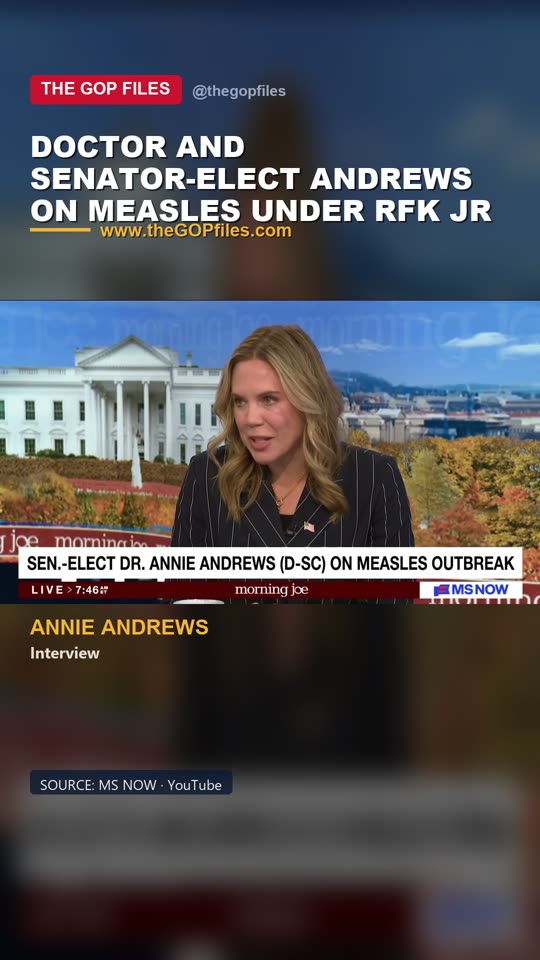 From Channel GOPDoctor and Senator-elect Andrews on measles under RFK JrAnnie Andrews · 10K plays · captioned, with the source named
It’s shocking to see a nearly 15% decline in three years
Among babies born to mothers known to be infected, up to 98% were vaccinated from 2018 through 2025. Between January and June, that fell to 94% 1. Truveta's own summary puts the 2026 figure at 93.9% 2.
Policy and the wider picture
The decline began before federal vaccine advisers voted in December to drop a decades-old recommendation that all babies get the shot at birth 1. A federal judge halted that decision after the American Academy of Pediatrics sued, and the block remains in effect 1.
Under the advisers' December 2025 vote, the shot would stay recommended for babies of mothers who test positive or whose status is unknown. For babies of mothers who test negative, it would become a case-by-case decision 2. The study's authors attribute the drop to vaccine hesitancy and parental confusion over recent guideline changes. They describe that explanation as likely rather than proven 2.
The study shows a trend, not a cause. It was descriptive, and it counted shots given within one day of birth 2.
Other vaccines are also slipping. An NBC News data investigation found three-quarters of U.S. counties that track kindergarten shots no longer meet the minimum level needed to prevent measles outbreaks 1. State health departments report nearly 6,000 measles cases and at least 13 deaths. The U.S. lost its measles elimination status on Nov. 16 1.
We talk about measles being the canary in the coal mine.
The birth dose has a long record of results. Acute hepatitis B cases in children fell 99% from 1990 to 2019 after the Centers for Disease Control and Prevention (CDC) began recommending a universal birth dose in 1991 1. A CDC analysis estimated vaccination prevented more than 6 million infections and nearly 1 million hospitalizations among children born from 1994 to 2023 1.
A University of Minnesota review of more than 400 studies found no evidence of short- or long-term health problems from the birth-dose shot 1.
What happens next depends partly on the court. The judge's block on the advisers' vote remains in effect, and the study's authors say timely data can help show how policy changes affect patients 12. Hepatitis B damage can take years to appear, so the effects of today's lower rates may not be visible for a long time 1.
The Record
- The CDC began recommending a hepatitis B birth dose for all babies 1.
- Federal vaccine advisers voted to replace the universal newborn recommendation with one based on the mother's hepatitis B status; a judge later halted the decision after an American Academy of Pediatrics lawsuit 12.
- The U.S. lost its measles elimination status 1.
- NEJM Evidence published the Truveta study showing newborn hepatitis B vaccination at 66% as of June 12.
Republish this story on your site or in your newsletter
Any site, blog or newsletter may run this story free of charge. Keep the credit line and its link to the original, do not sell it, and edit only for length or house style (the full terms). Photos carry their own licenses, noted under each photo on this page, so use the text alone unless a credit says otherwise.
Paste it into your editor's HTML view. The one-pixel image at the end tells our newsroom the story ran; it stores no reader data.
Sources
- NBC News, “‘Shocking’ decline seen in hep B vaccination against incurable virus, including babies with infected mothers” (2026-11-24). nbcnews.com/health/health-news/hepatitis-b-vaccination-decli
- Truveta Research, “Hepatitis B birth dose vaccination in the US, January 2018 to June 2026” (2026-11-24). truveta.com/blog/research/newborn-hepatitis-b-vaccination-de
Found an error? Tell the newsroom. Corrections are noted at the top of the story.
More from the files
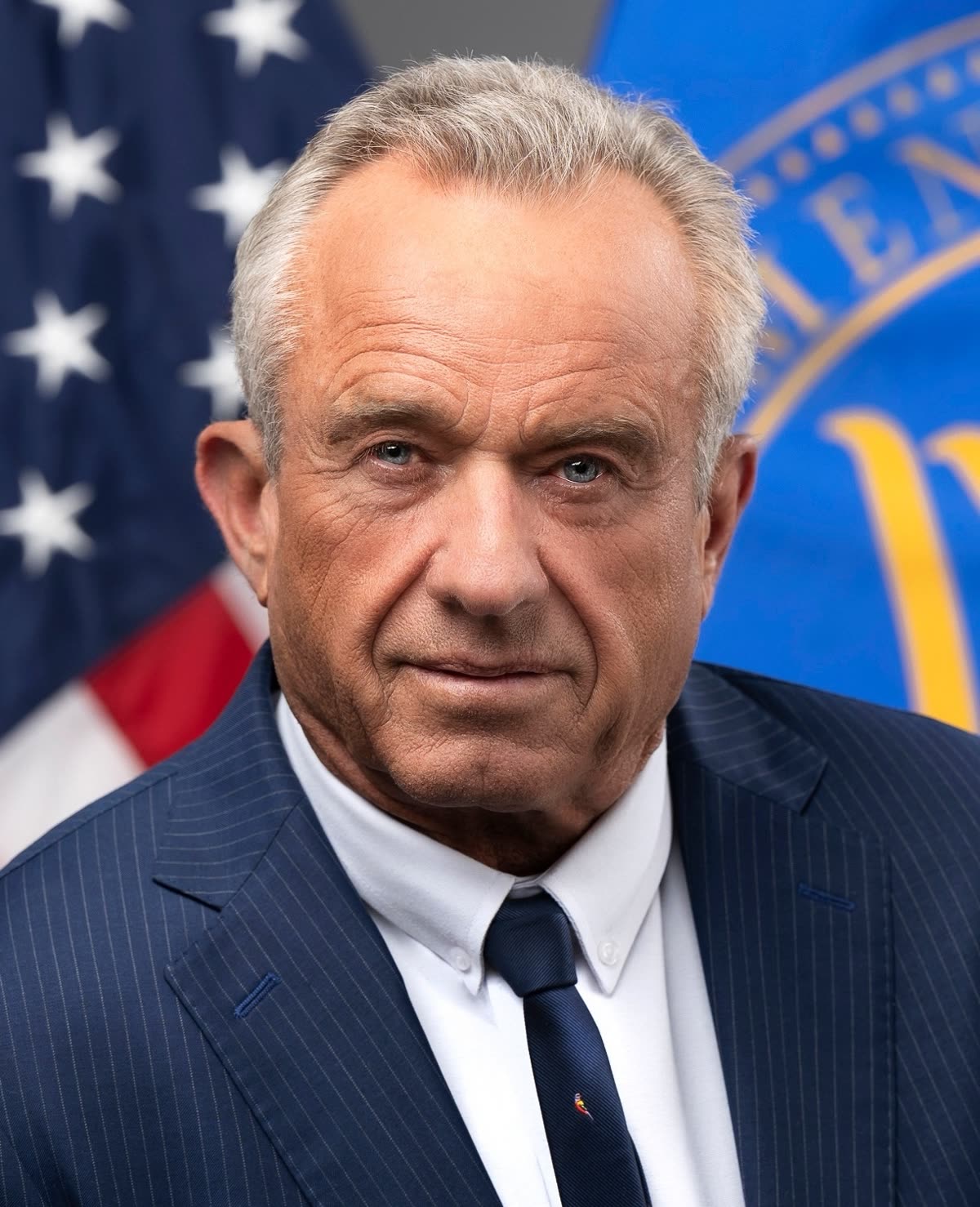
U.S. loses measles elimination status as 2026 cases pass 5,400, worst in 30 years
Health authorities say the U.S. has lost the measles elimination status it earned in 2000. The loss comes as Kennedy's HHS faces criticism over its response to the outbreak.
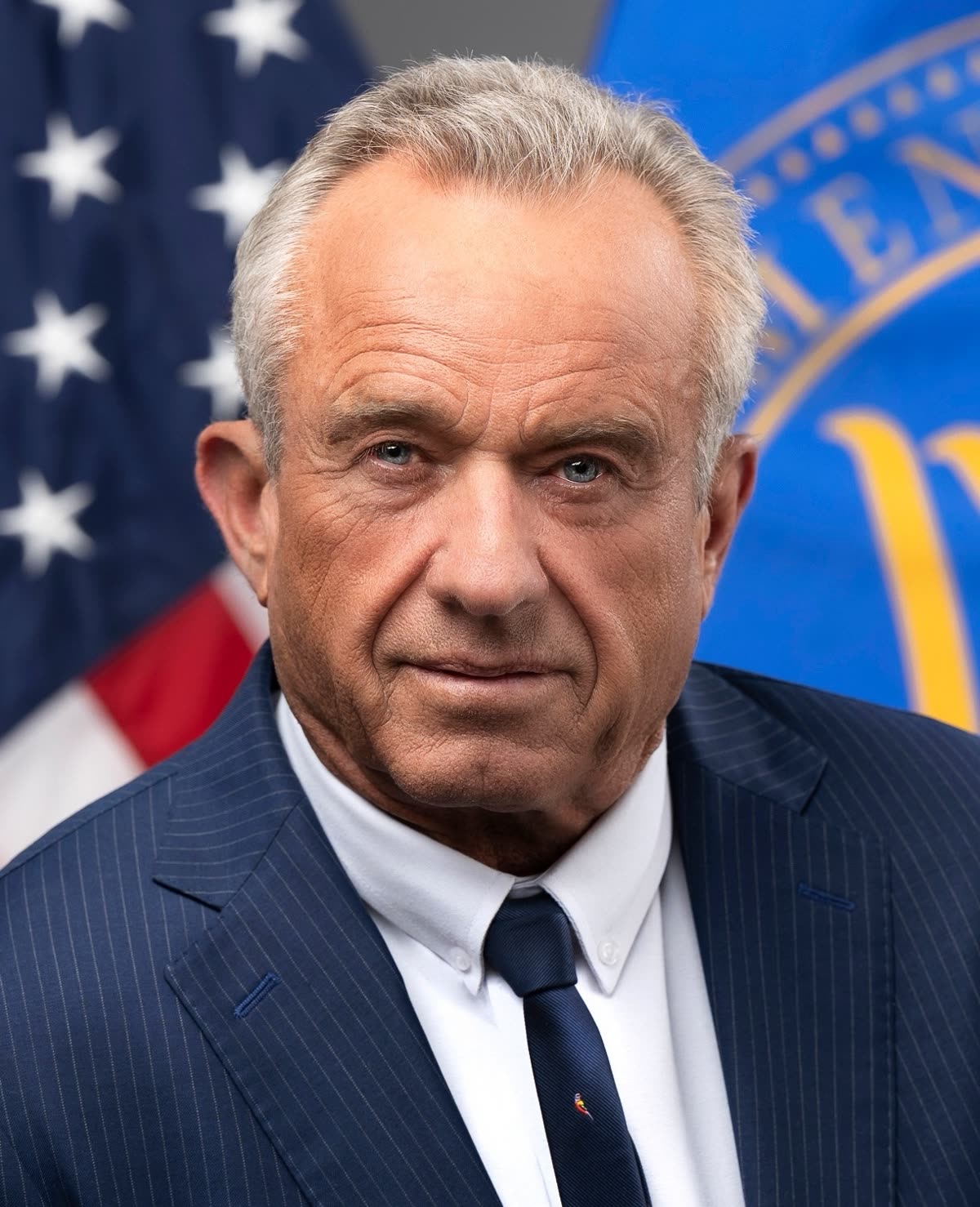
U.S. loses measles elimination status after a year of continuous spread, researchers say
The Pan American Health Organization has concluded that measles is spreading regularly in the U.S. again, according to researchers who spoke to KFF Health News. A public announcement is planned for Nov. 17, and the finding ends a status the country held for 25 years.
CDC reports six measles deaths in 2026 as outbreak grows to worst in 35 years
The CDC's official count of measles deaths rose to six, double last year's total, after it changed how it counts them. The U.S. may soon lose its measles-free status.
Delivered free to your door*
The Morning Edition
One short email at 7 a.m. Eastern: the day's top files, one clip worth your time, and the race to watch. Plain English, large type, no clutter.
*Your inbox. Free. Unsubscribe with one click, any time.