Rights & Freedoms · Report · File No. 261120-280
Ninth Circuit judges press Trump administration on federal building 'unusual noise' rule
A three-judge panel questioned whether a DHS rule against loud or unusual noise near federal buildings gives officers too much power to decide who may protest. The case tests the administration's approach to demonstrations outside ICE and other federal sites.
Every quote in this story (1) was matched word for word against its source. How we work
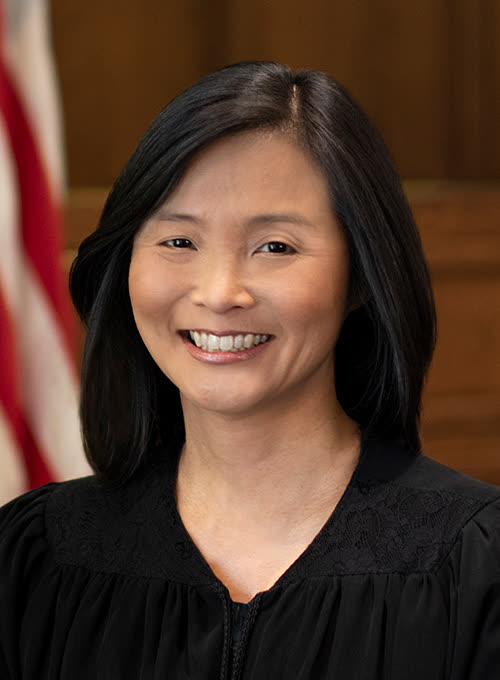
A federal appeals court panel on Thursday pressed the Trump administration to explain how far its ban on "loud or unusual noise" near federal buildings reaches. The Ninth Circuit judges questioned whether the Department of Homeland Security (DHS) rule gives officers too much discretion to restrict protests 1.
The case began outside a federal building in Eugene, Oregon. Inside, Internal Revenue Service workers interviewed taxpayers. Outside, protesters used megaphones to oppose the administration's immigration policies 1.
What the government argued
A federal judge in Oregon blocked enforcement of the rules earlier this year. The Justice Department asked the Ninth Circuit to reverse that order 1. The rules took effect in November 2025, and the protesters sued in December 2025 after being cited and arrested 12.
Justice Department attorney Brian Springer said the provision reflects the idea that "loud or unusual noise emanating from right outside a federal building can disrupt government operations, just as loud or unusual noise inside the building can" 1. He said courts have repeatedly upheld similar provisions against vagueness challenges 1.
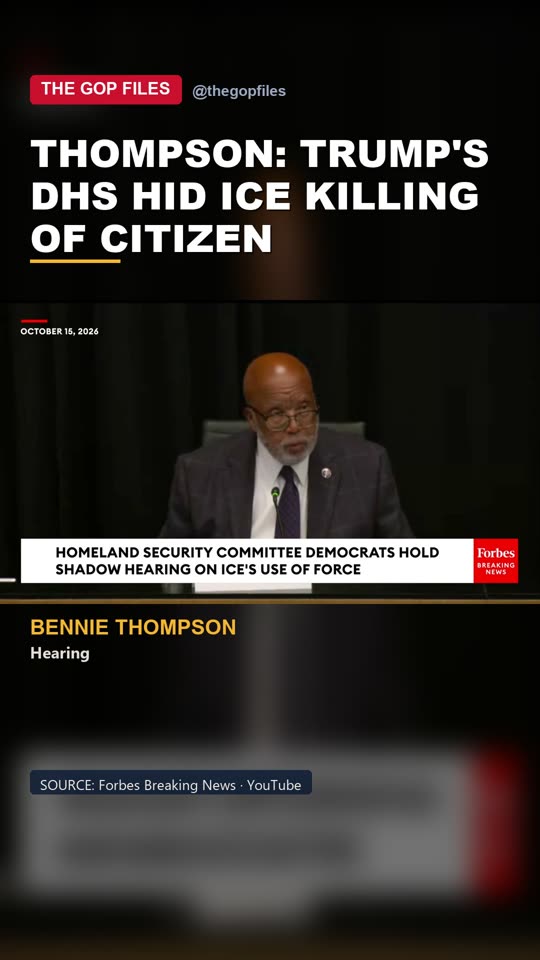 From Channel GOPThompson: Trump's DHS hid ICE killing of citizenBennie Thompson · 160 plays · captioned, with the source named
Courthouse News reported that all three panel judges were appointed by President Joe Biden. It said they questioned the government's use of related cases in its opening brief and the rule's wording on unusual noise 1.
The honking question
Judge Jennifer Sung posed a hypothetical about a federal building next to a busy street, where someone honks in a traffic jam. She asked whether that would be a violation 1. Springer said the noise must actually affect the building's operations. He added that "a fleeting honk is very unlikely to violate the regulation" 1.
So if I can hear it, and it’s loud, why isn’t that affecting me?
Judge Roopali Desai told Springer he was not answering the question. Sung said the word "affect" normally has a very broad meaning, and that the rule needs something to narrow it 1.
Marianne Dugan, a lawyer for the protesters with the Civil Liberties Defense Center, said the exchange showed why the rule is unconstitutional on its face. She said the word "affects" "gives almost total discretion to anybody reading it who’s enforcing that rule" 1. She said a protester was threatened with a citation as recently as Wednesday, despite the injunction 1.
The earlier ruling
Courthouse News said the lower court found the rule too vague under the Fifth Amendment's due process clause 1. In February, Judge Ann Aiken issued a preliminary injunction barring DHS from enforcing the rules at the Eugene building while the lawsuit continues, OPB reported 2. OPB reported that she said "There has to be some reasonable measure for what is loudness" 2.
OPB reported that the government argued protesters had frightened employees and disrupted routine operations. A General Services Administration spokesperson said staff were forced to shelter in place for hours during a January 30 protest 2.
What happens next
The panel did not rule from the bench, and the wire report did not say when a decision would come 1. The protesters are seeking a permanent injunction against the regulation 1.
That matters because the Eugene building sits next to offices for DHS and Immigration and Customs Enforcement (ICE) 1. A rule that depends on whether an officer decides noise is "affecting" someone could reach many kinds of lawful protest. Any ruling would be a test of the administration's tools against demonstrators at federal sites.
The Record
- DHS noise rules for federal buildings took effect in November 2025 12.
- Eugene protesters sued in December 2025 after being cited and arrested 1.
- Judge Ann Aiken issued a preliminary injunction barring DHS from enforcing the rules at the Eugene building 2.
- A Ninth Circuit panel heard the government's appeal and questioned the rule's reach 1.
Republish this story on your site or in your newsletter
Any site, blog or newsletter may run this story free of charge. Keep the credit line and its link to the original, do not sell it, and edit only for length or house style (the full terms). Photos carry their own licenses, noted under each photo on this page, so use the text alone unless a credit says otherwise.
Paste it into your editor's HTML view. The one-pixel image at the end tells our newsroom the story ran; it stores no reader data.
Sources
- Courthouse News, “Trump admin tries to shout down block on federal building noise regulations” (2026-11-19). courthousenews.com/trump-admin-tries-to-shout-down-block-on-
- OPB, “Judge says feds still can't enforce noise restrictions outside Eugene Federal Building” (2026-02-22). opb.org/article/2026/02/22/judge-says-feds-cant-enforce-nois
Found an error? Tell the newsroom. Corrections are noted at the top of the story.
More from the files
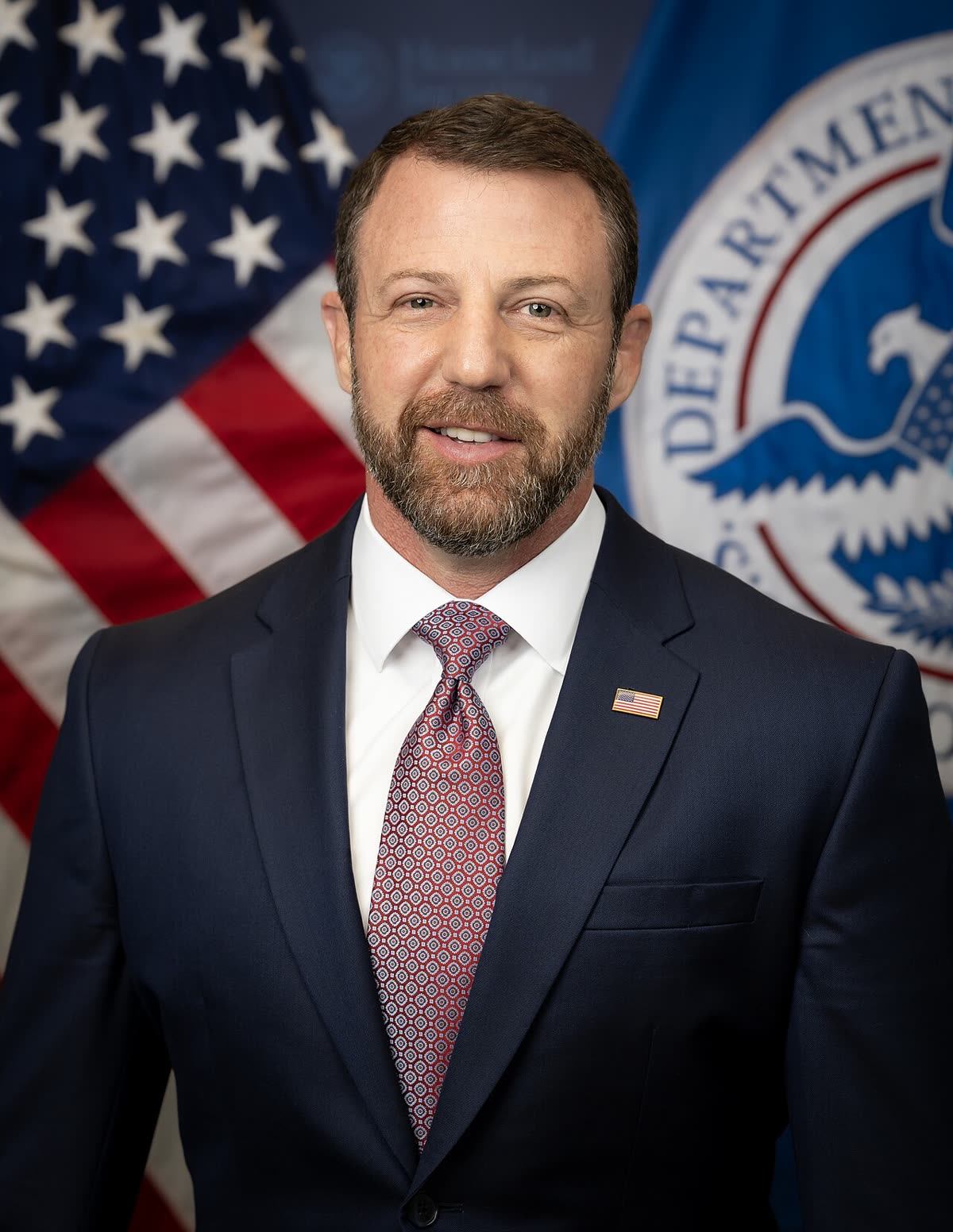
ICE reports record 483,200 deportations and 491,000 arrests in fiscal year 2026
New Department of Homeland Security figures show the highest enforcement totals in ICE history. They come as Democrats prepare to take over Congress, and officials say the pace will not slow.
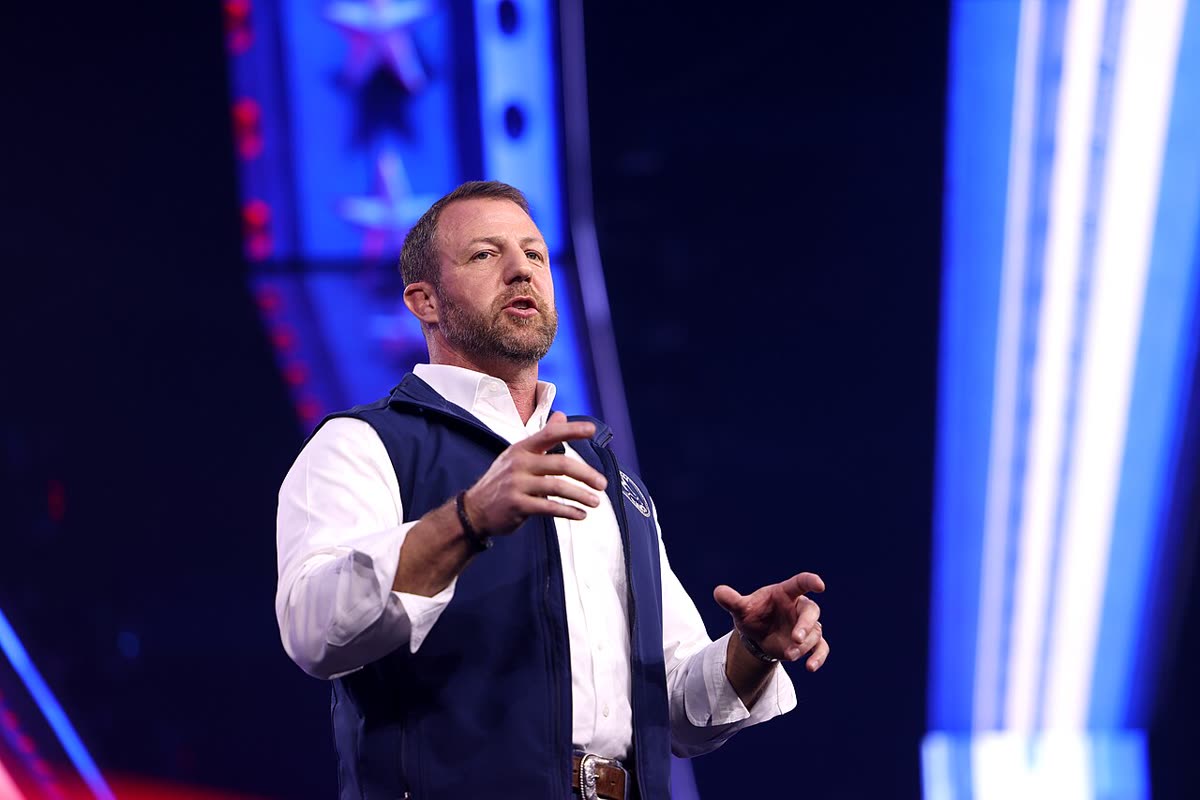
Court shield for naturalized voters ended Nov. 3 as DHS vows to comb voting logs
A court order that limited Homeland Security's voter-fraud field operations in nine states expired when the polls closed. The DHS secretary says the department will now review who voted, and a watchdog sued on Nov. 12 to find out how.
ICE unlikely to ease crackdown after midterm losses, officials say, citing Stephen Miller
Officials told CBS News no one at ICE has been told to ease up since Election Day, and the agency's arrest goal has gone up. That matters because 58% of voters said the crackdown had gone too far.
Delivered free to your door*
The Morning Edition
One short email at 7 a.m. Eastern: the day's top files, one clip worth your time, and the race to watch. Plain English, large type, no clutter.
*Your inbox. Free. Unsubscribe with one click, any time.