Health Care · Report · File No. 261027-833
Uninsured rate climbs to 11.2% for adults under 65 before Medicaid work rules begin
A new Commonwealth Fund survey finds more working-age Americans uninsured than in 2024, before the Medicaid work requirements in Trump's 2025 law take effect Jan. 1. Older adults not yet on Medicare are among those exposed.
Every quote in this story (1) was matched word for word against its source. How we work
The share of working-age Americans without health insurance has climbed to 11.2% this year, up from 8.9% in 2024. That is the finding of a new national survey from the Commonwealth Fund, a private foundation that studies health care 2. The survey covers adults ages 19 to 64, which includes people in their late 50s and early 60s who are not yet old enough for Medicare 2.
Bigger losses may still be coming. New Medicaid work requirements start Jan. 1, 2027. The requirements come from the tax and spending law President Donald Trump signed in 2025, known as H.R. 1 and called the "One Big Beautiful Bill" 27.
The report's authors wrote that these declines in coverage and affordability are occurring even before Medicaid cuts 2.
What the survey found
Nearly half of working-age adults (46%) were inadequately insured in 2026. That breaks down to 11% with no insurance, 12% with a gap in coverage during the year and 23% who were underinsured 12. The research firm SSRS surveyed 9,360 adults between May 7 and July 20, 2026 2.
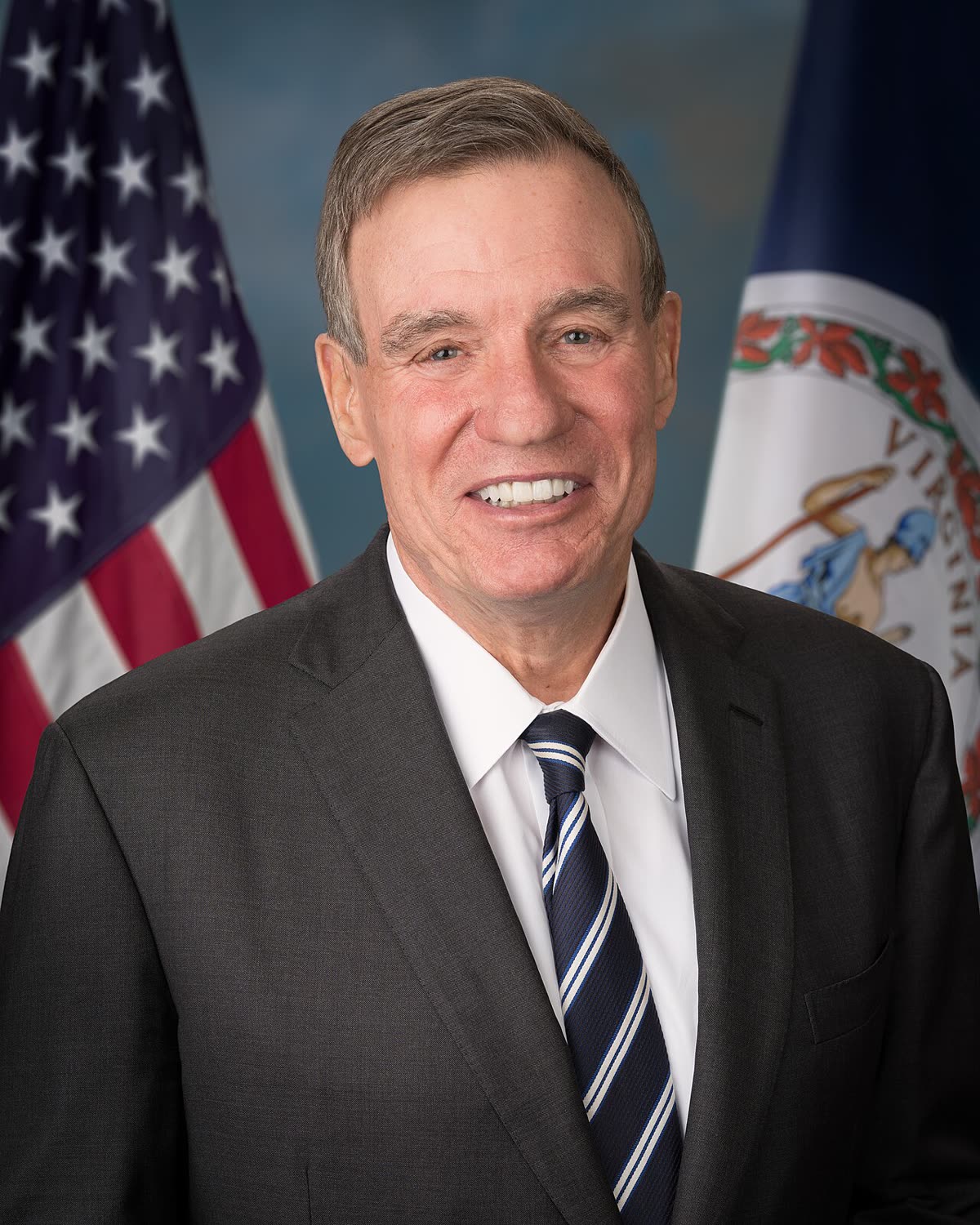
 From Channel GOPWarner: Trump tears up public park against court orderMark Warner · 397 plays · captioned, with the source named
Cost is keeping people away from the doctor. Half of working-age adults said they went without needed care because of cost, up from 46% in 2022 2.
The two main sources of coverage for people without job-based insurance are shrinking. Coverage through the Affordable Care Act (ACA) marketplace and other individual plans fell from 8.5% of working-age adults in 2024 to 6.4% in 2026. Medicaid, the joint federal-state program for people with low incomes, fell from 15.5% in 2022 to 13% 2.
Why premiums jumped
The enhanced ACA premium tax credits, the extra federal help that lowered monthly premiums for marketplace plans, expired at the end of 2025 8. The Commonwealth Fund says their expiration raised average yearly premiums by $750 to $4,035, depending on income 2. Nineteen percent of marketplace enrollees switched to cheaper plans with higher deductibles and out-of-pocket costs 2.
Marketplace enrollment fell 13%, from 22.1 million in 2025 to 19.2 million in February 2026, according to a KFF analysis cited in the report 2. One of those still paying is Sheila Robinson, 61, of District Heights, Maryland. She told KFF Health News she puts her $659 monthly ACA premium on a credit card, and her plan has a $10,000 deductible 6.
Every month, I am in the hole.
The House voted on Jan. 8, 2026, to restore the enhanced credits for three years through H.R. 1834, a Democratic-led bill that got 17 Republican votes 8. Congress never extended them 6.
The work rules start Jan. 1
Forty states and Washington, D.C., must start the new rules. They cover adults ages 19 to 64 who got Medicaid through their state's ACA expansion and who are not pregnant or on Medicare 4. Each month, those adults must log 80 hours of work, school, a work program or volunteering. About 20 million of the 82.4 million people enrolled in Medicaid in 2025 were in this expansion group 4.
When a state can't confirm that someone meets the rules, it sends a notice. The enrollee then has 30 days to respond or lose coverage 4. Some groups are exempt, including people who are medically frail, people caring for a child 13 or younger or for a disabled person, and veterans with a total disability rating 4.
The Congressional Budget Office (CBO), Congress's nonpartisan scorekeeper, estimated in October 2025 that the work requirement alone would leave about 5.3 million more people uninsured by 2034 4.
The Centers for Medicare & Medicaid Services (CMS) has said the changes aim to promote "economic stability, self-sufficiency, and independence" 4. Democrats see it differently.
In June, 25 Democratic-led states and D.C. sued to temporarily block the rules. A federal judge denied that request in July 4. Some states are already moving: Nebraska started in May and Montana in July, Iowa starts in December, and Pennsylvania is mailing notices to more than 700,000 expansion enrollees 4.
What comes next
ACA open enrollment begins Nov. 1 in most states. The national median proposed premium increase for 2027 individual plans is about 15%, and insurers are leaving marketplaces in 24 states 5. The most an individual can be required to pay out of pocket rises to $12,000, up from $10,600 5.
That matters because the coverage losses in this survey came before the law's biggest Medicaid changes. The CBO projects that the law's Medicaid changes will lower Medicaid enrollment by 11.5 million over the next decade. It also projects that the marketplace changes and rising premiums will cut marketplace enrollment by 7.5 million 2.
The public has a view on who should fix this. In the survey, 73% of adults said the federal government has a responsibility to make sure all Americans have health coverage. That includes 93% of Democrats, 76% of independents and 45% of Republicans 2. Voters will decide on Nov. 3, two days after open enrollment begins, which party controls Congress next year.
The Record
- The House passes H.R. 1834 to restore the enhanced ACA premium tax credits for three years, with 17 Republican votes; the credits had expired at the end of 2025 8
- The Commonwealth Fund reports 11.2% of adults ages 19 to 64 are uninsured in 2026, up from 8.9% in 2024 2
- ACA open enrollment begins in most states, with a median proposed premium increase of about 15% for 2027 5
- Medicaid work requirements of 80 hours a month take effect for expansion adults ages 19 to 64 in 40 states and D.C. 4
Sources
- Healthcare Dive, “Uninsured rate rises to 11% ahead of Medicaid work requirements” (2026-10-26). healthcaredive.com/news/uninsured-rate-rises-ahead-medicaid-
- AJMC, “Uninsured Rate Rises to 11.2% as Coverage Erodes Before Medicaid Cuts” (2026-10-22). ajmc.com/view/uninsured-rate-rises-to-11-2-as-coverage-erode
- Healthcare Dive, “CMS releases Medicaid work requirements guidance for states” (2026-06-01). healthcaredive.com/news/cms-medicaid-work-requirements-final
- Yahoo News, “States are contacting Medicaid enrollees about new work requirements. Here's what people should do to keep coverage.” (2026-10-08). yahoo.com/news/us/article/states-are-contacting-medicaid-enr
- healthinsurance.org, “ACA open enrollment 2027: Higher premiums, insurer exits and subsidy changes could reshape coverage choices” (2026-09-29). healthinsurance.org/newsroom/press-releases/aca-open-enrollm
- KFF Health News, “The Cost of Healthcare Is Hitting America Where It Hurts: The Wallet” (2026-10-26). kffhealthnews.org/health-care-costs/priced-out-healthcare-co
- Richmond Times-Dispatch via InsuranceNewsNet, “Warner files low-cost public healthcare bill” (2026-09-25). insurancenewsnet.com/oarticle/warner-files-low-cost-public-h
- Office of Rep. Nellie Pou, “Congressman Pou votes to reinstate ACA tax subsidies and lower the price of health care” (2026-01-08). pou.house.gov/media/press-releases/congressman-pou-votes-rei
Found an error? Tell the newsroom. Corrections are noted at the top of the story.
More from the files

Family job-based health premiums hit $28,303 in 2026, up 5%, KFF survey finds
A new KFF survey says the average family premium rose 5% this year, but the share workers pay rose 9%. A second report finds many insured workers still skip care because of cost.
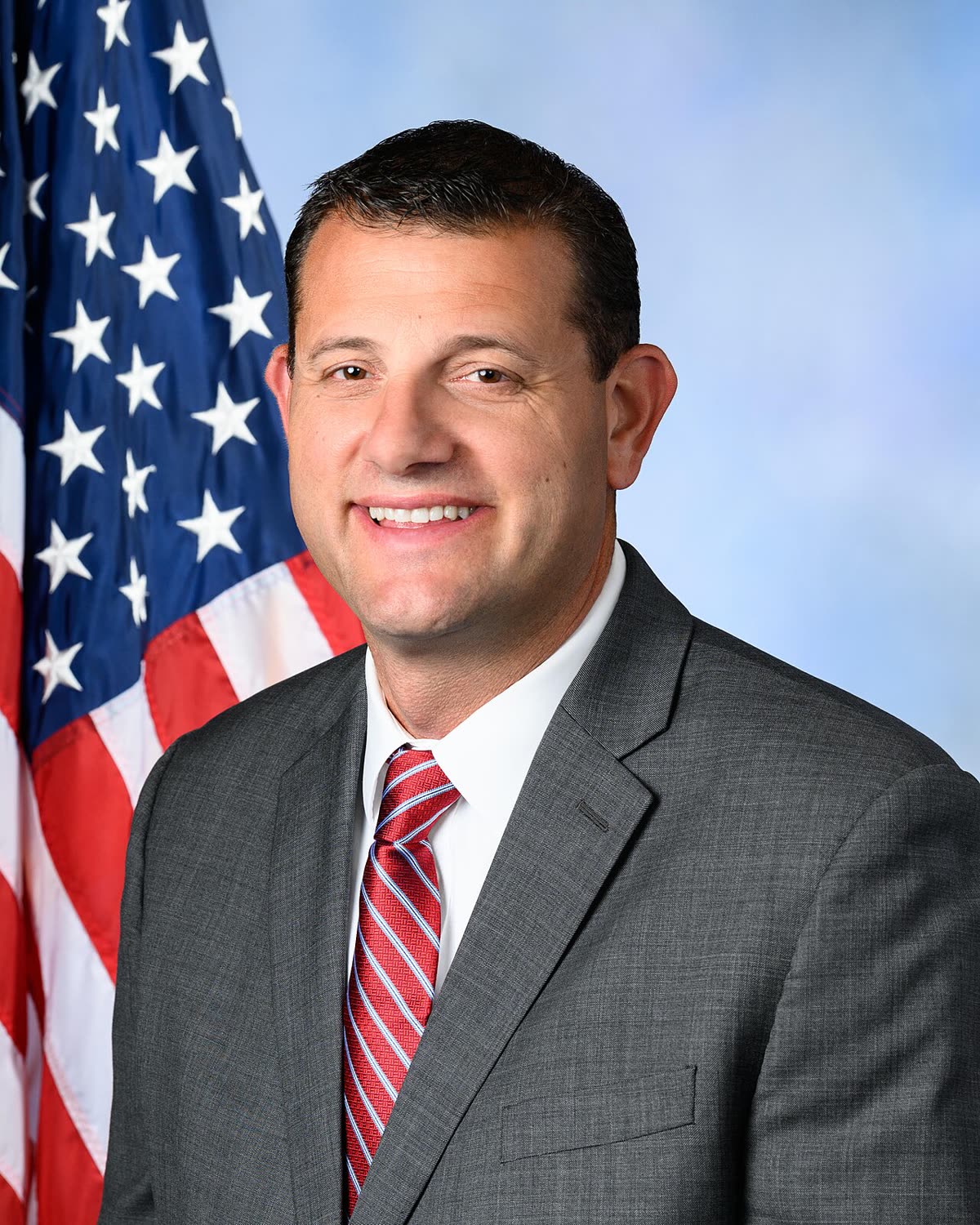
Valadao defends Medicaid vote in California swing-district race: 'no actual cuts'
Republican Rep. David Valadao says his vote for the GOP tax and spending law cut no Medicaid benefits. Democrat Randy Villegas says it will take coverage from Valley families in a district that could help decide House control.
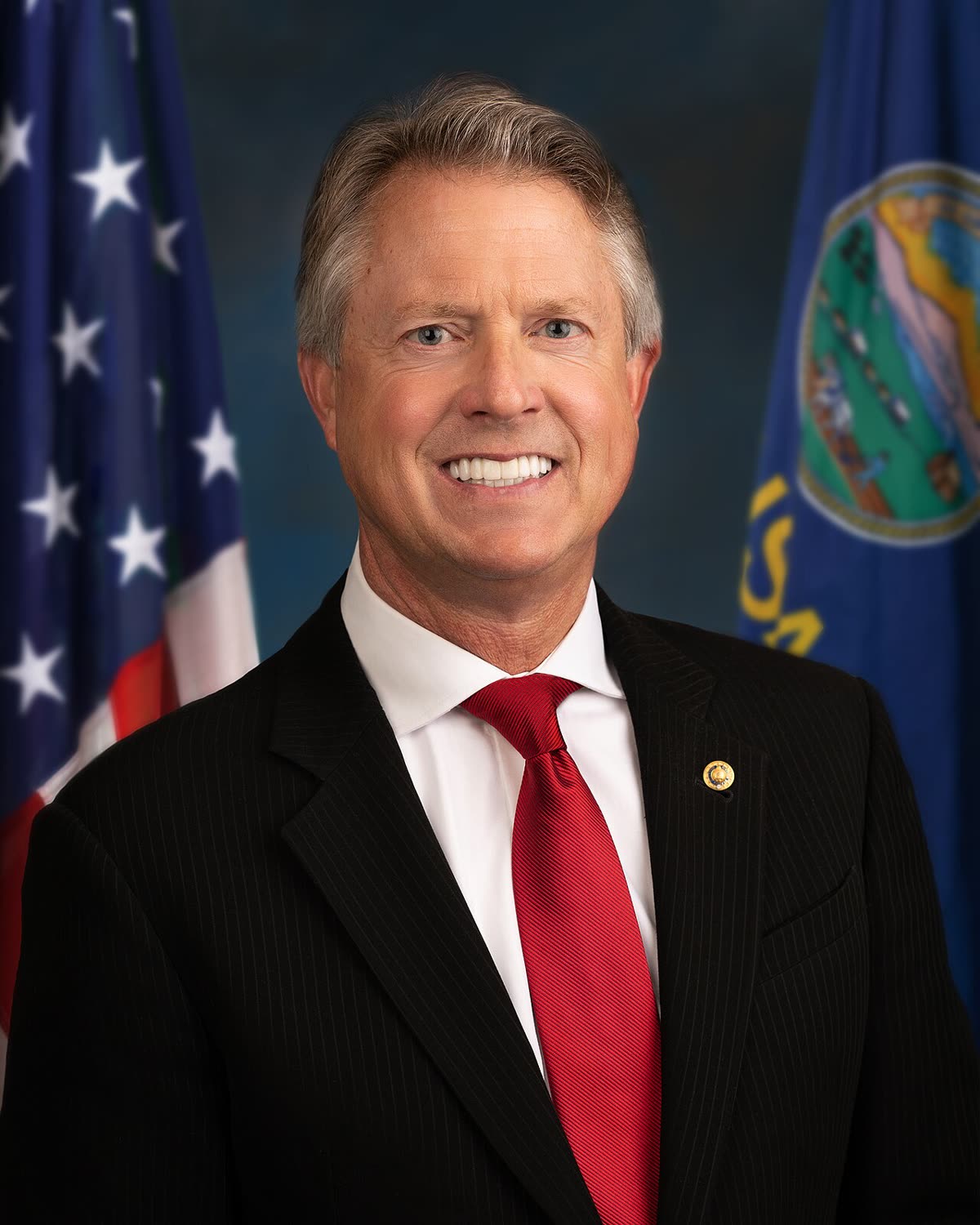
Marshall vowed to 'preserve Medicaid' in 2025; Kansas health enrollment is down 61,776
At Wednesday's final Kansas Senate debate, Sen. Roger Marshall attacked the Affordable Care Act and the cost of food stamps. Fact-checkers say he overstated the food stamp numbers. His own 2025 promises about Medicaid and seniors now face a record of coverage losses and federal cuts.
Delivered free to your door*
The Morning Edition
One short email at 7 a.m. Eastern: the day's top files, one clip worth your time, and the race to watch. Plain English, large type, no clutter.
*Your inbox. Free. Unsubscribe with one click, any time.