Health Care · Report · File No. 261109-792
Georgetown secret shoppers find short-term health plans pushed as states loosen rules
Georgetown researchers posing as buyers found brokers often steered them to limited short-term plans with misleading claims. Those plans can refuse coverage for pre-existing conditions, a risk for people 50 to 64 who are not yet on Medicare.
Every quote in this story (2) was matched word for word against its source. How we work

Researchers at Georgetown University posed as shoppers this year and found that insurance brokers and sales representatives often pushed short-term health plans with limited coverage. They also found the sellers used misleading and inaccurate information to make the plans look better 1. The findings come as some conservative states make the plans easier to buy 1.
Georgetown's Center on Health Insurance Reforms ran the study in May 2026, using two consumer profiles to deal with 20 sales representatives. The center published the results Aug. 13 2. It said representatives often described Affordable Care Act (ACA, often called Obamacare) plans as meant mainly for people with serious health needs. That steered healthier people toward products outside ACA rules 2.
It was very confusing to understand what they were even marketing,
What short-term plans can do
Short-term plans have existed for decades as stopgap coverage for people between jobs. They usually cost less but cover fewer services, and they do not have to cover maternity care, mental health treatment or prescription drugs 1.
The ACA, passed in 2010, banned insurers from denying coverage, dropping policies or charging more because of pre-existing conditions 1. Short-term plans are not bound by that. Insurers can drop a person's coverage over a pre-existing condition, and people with conditions such as diabetes or high blood pressure can't get coverage 1.
 From Channel GOPHarris: Mississippi's senator voted for Medicaid cutsKamala Harris · 113 plays · captioned, with the source named
Why states are moving now
Premiums jumped after the Republican-controlled Congress let enhanced ACA subsidies expire at the end of last year, and marketplace enrollment then dropped 13%, according to federal data 1. The Bipartisan Policy Center found a 60-year-old couple earning $85,000 faced premiums of $22,600 this year, up from about $7,225 1.
In August 2025, the Trump administration said it would not enforce Biden-era limits that held short-term plans to a few months 1. Arkansas and Oklahoma then said insurers could sell plans lasting under a year and renewable for up to three years 1.
Mississippi Insurance Commissioner Mike Chaney wants to offer the plans through a state-run portal. UnitedHealthcare is to begin offering a few of them there by early next year 1. Chaney said some of the 200,000 Mississippians who left the ACA marketplace in the past year could benefit 1.
The goal here is to give Mississippi consumers more choices,
Critics call them "junk plans" and warn that shoppers are drawn in by low premiums without understanding what is missing 1. They also say the plans can raise costs for everyone else. If healthier people leave for cheaper plans, sicker people stay in the ACA market and insurers raise those rates 1.
The share of uninsured adults ages 19 to 64 has risen to 11%, up from 8.9% two years ago, according to a new Commonwealth Fund analysis 1.
What happens next
Short-term plans are sold in 36 states. Five ban them: California, Illinois, Massachusetts, New Jersey and New York 1. Experts expect cheaper ACA alternatives to spread as federal restrictions loosen 1.
That matters for people in their late 50s and early 60s, who often face higher premiums and more health conditions. A cheap plan can look like a bargain until a claim is denied. Harden-Stein said that while some states have tighter marketing rules, "it's a bit of a whack-a-mole situation" 1.
The Record
- The Trump administration said it would not enforce Biden-era limits on the length of short-term plans and encouraged states to do the same 1.
- Enhanced ACA premium subsidies expired at the end of the year after the GOP-controlled Congress let them lapse 1.
- Georgetown's Center on Health Insurance Reforms published its secret shopper study, conducted in May 2026 2.
Republish this story on your site or in your newsletter
Any site, blog or newsletter may run this story free of charge. Keep the credit line and its link to the original, do not sell it, and edit only for length or house style (the full terms). Photos carry their own licenses, noted under each photo on this page, so use the text alone unless a credit says otherwise.
Paste it into your editor's HTML view. The one-pixel image at the end tells our newsroom the story ran; it stores no reader data.
Sources
- Stateline, “States push short-term insurance as healthcare costs climb” (2026-11-09). stateline.org/2026/11/09/states-push-short-term-insurance-as
- Georgetown University Center on Health Insurance Reforms, “No Good Options: In the Wake of Marketplace Affordability Woes, Consumers Face Onslaught of Misleading Marketing of Limited Benefits Products” (2026-08-13). chir.georgetown.edu/?p=12653
Found an error? Tell the newsroom. Corrections are noted at the top of the story.
More from the files

Texas Democrats swept statewide races on health costs; now they face a short session
Democrats won the governor's office and other top Texas posts partly on anger over health costs. They now have about two months to plan, and Republicans still control the state Senate.
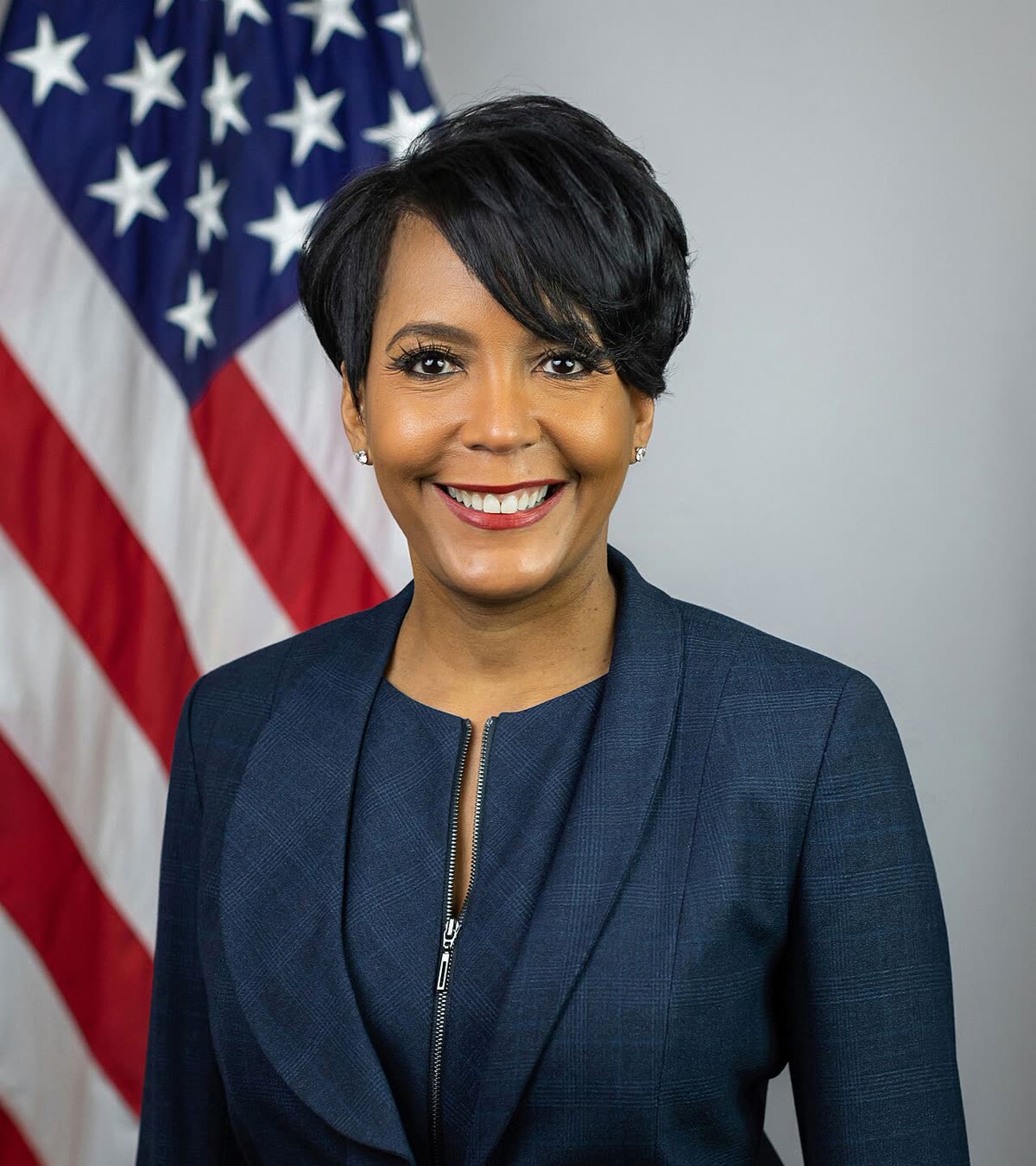
Democrats eye Medicaid expansion in Georgia, Kansas, Texas and Wisconsin after wins
Democratic wins in four holdout states have revived talk of expanding Medicaid to low-income adults, including some in their late 50s and early 60s. Details are thin, and new federal work rules that start in January complicate the effort.
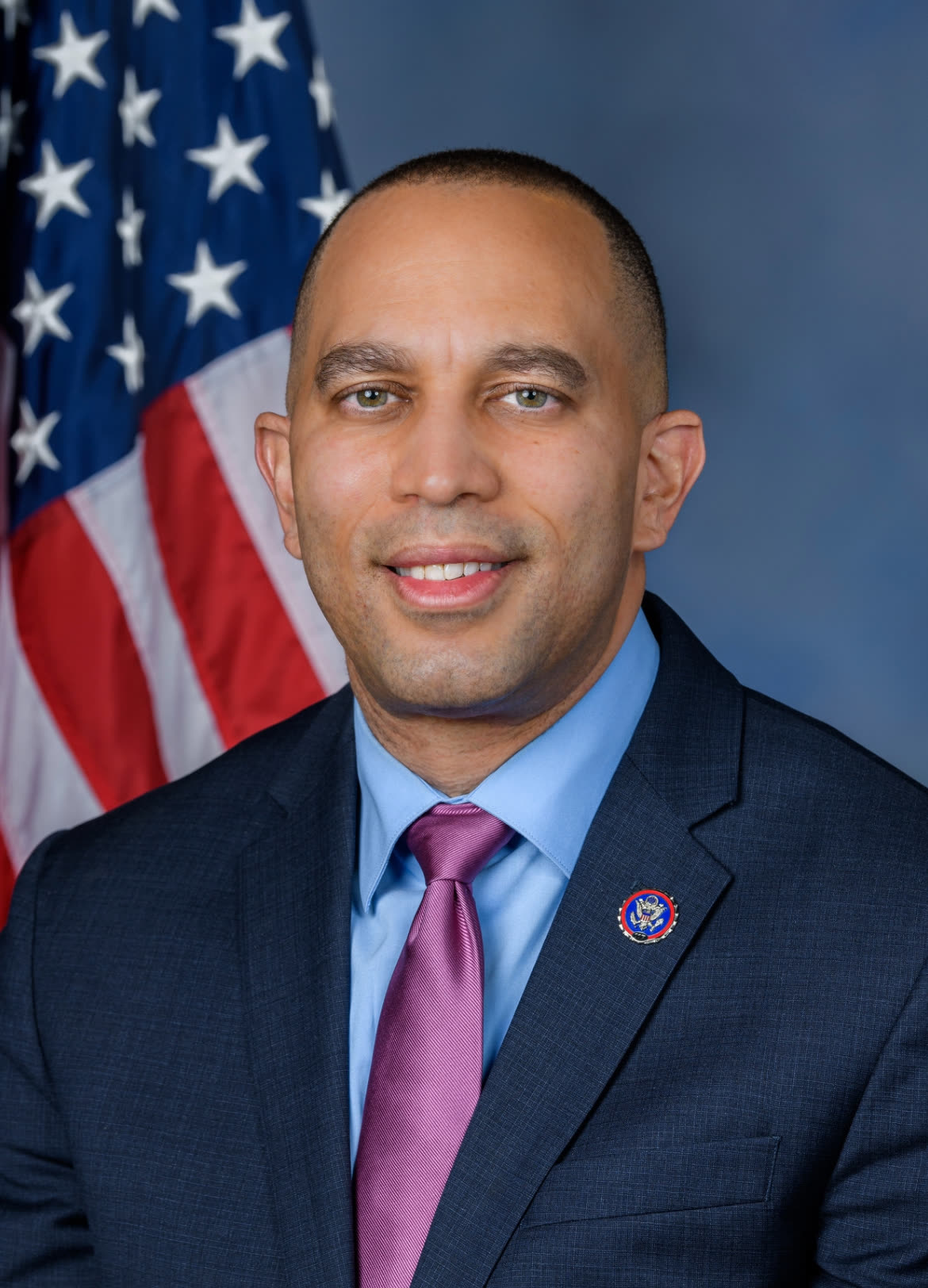
Democrats vow to undo Medicaid cuts, but work rules start before they take power
Democrats won both chambers of Congress and say restoring Affordable Care Act subsidies and reversing about $1 trillion in Medicaid cuts comes first. Medicaid work rules still start Jan. 1, and President Trump keeps his veto.
Delivered free to your door*
The Morning Edition
One short email at 7 a.m. Eastern: the day's top files, one clip worth your time, and the race to watch. Plain English, large type, no clutter.
*Your inbox. Free. Unsubscribe with one click, any time.