Social Security & Medicare · Report · File No. 261031-319
Oz's Medicare rule on home monitoring expected within days, over bipartisan objections
Medicare proposes to stop paying for at-home blood pressure and blood sugar monitoring when outside contractors do the work. Lawmakers in both parties warn that rural seniors could lose access, and a final decision is expected around Election Day.
Every quote in this story (7) was matched word for word against its source. How we work
Medicare could decide within days whether to stop paying for at-home health monitoring when the work is done by outside companies. Lawmakers in both parties warn that the change would fall hardest on rural patients. 45
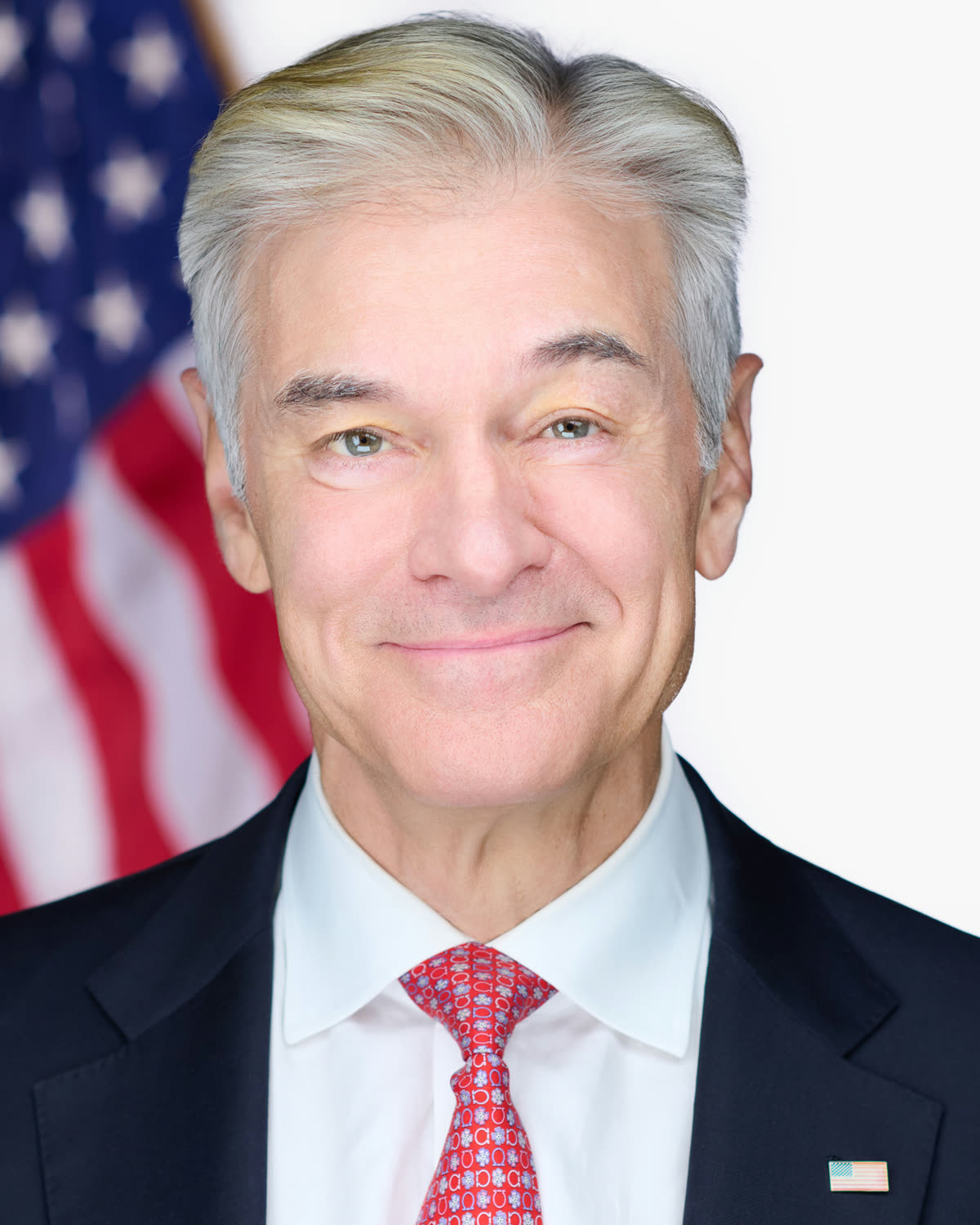
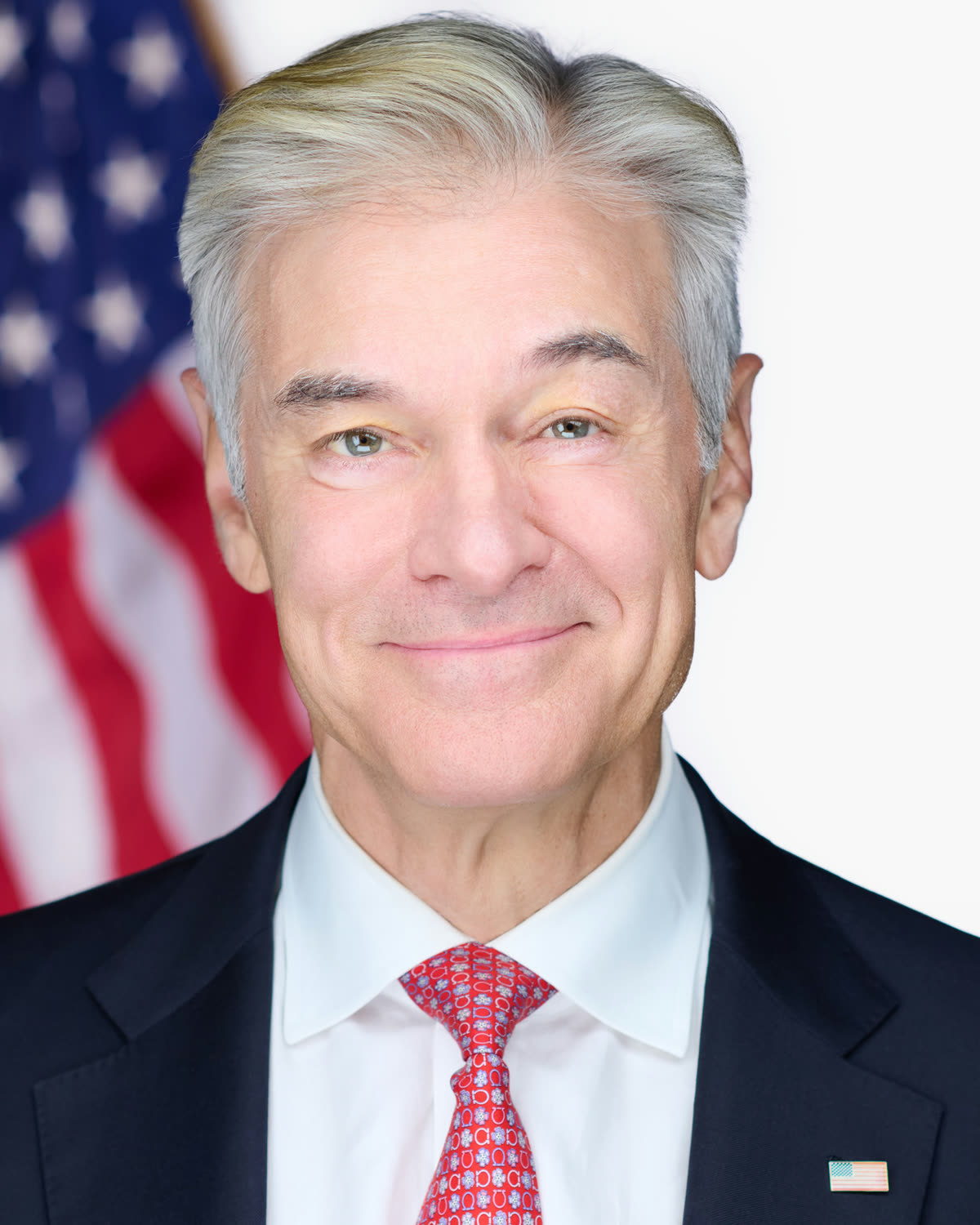
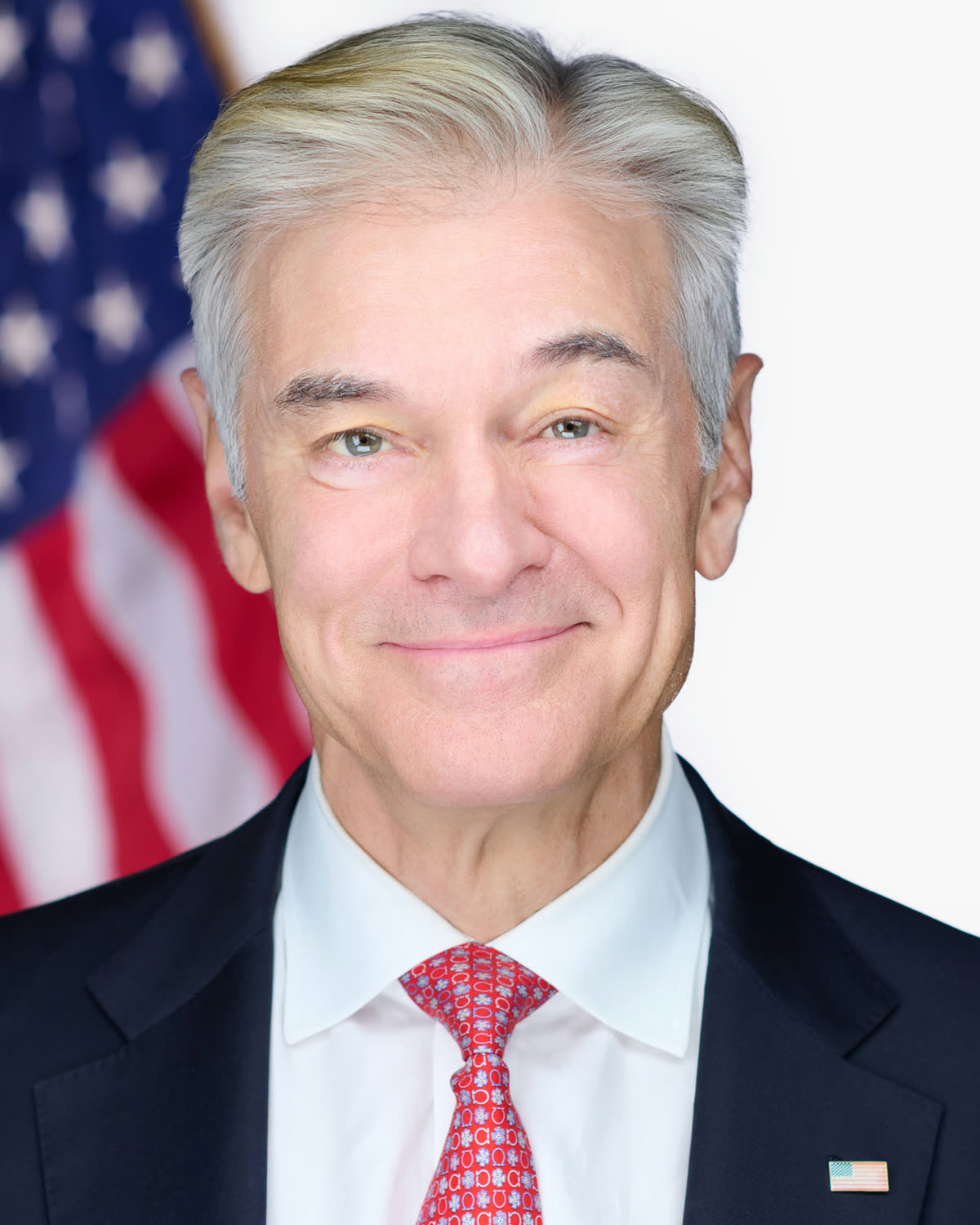
The decision belongs to the Centers for Medicare & Medicaid Services (CMS), the agency run by Dr. Mehmet Oz. Its final payment rule is expected around Nov. 1 or in early November. 45 The CMS newsroom page, checked Saturday, listed releases through Oct. 30 and did not show a final rule. 10
The service is called remote patient monitoring. A patient uses a device at home to track blood pressure, oxygen or blood sugar, and the readings are sent in from home. 14 Almost 1 million Medicare enrollees received it in 2024, and Medicare paid about $536 million for it that year. 18
What CMS actually proposed
CMS released its plan July 14. The agency said it would pay for these services "when performed by clinical staff employed by the practice and not when those services are delivered by contractors." 2 If finalized, the changes would take effect Jan. 1, 2027. 458
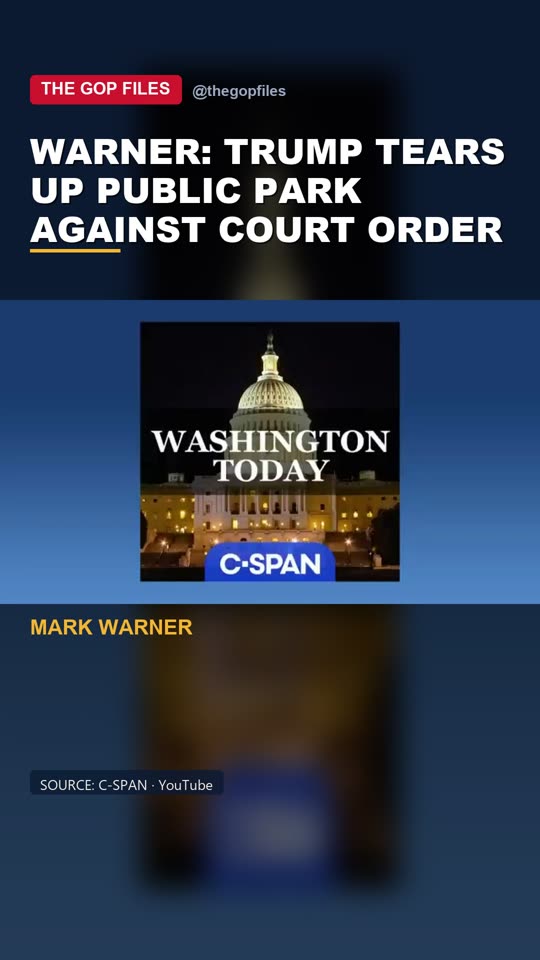 From Channel GOPWarner: Trump tears up public park against court orderMark Warner · 397 plays · captioned, with the source named
The plan would also require a separate starting visit before monitoring begins. It would generally lower payments too, and CMS says the devices may cost less than it first estimated. 23
One claim needs clearing up. A column this week on MS NOW by Miranda Yaver, a University of Pittsburgh health policy professor, said: "A proposed rule would eliminate coverage for these services unless the service is provided at a physician's office." 1 CMS's own fact sheet describes something narrower, because the test is who employs the staff. 2
That matters because the risk is less about required trips to the doctor and more about whether small offices keep offering the service at all. A National Association of Rural Health Clinics survey found that nearly 70% of rural clinics offering remote monitoring rely on outside clinical and technology partners. 4 A coalition letter from the Medical Group Management Association warned that small practices, rural providers and safety-net organizations would be hit hardest. 4
Why CMS says it is acting
CMS ties the change to concerns about program integrity and low-quality vendors. 48 STAT reported that it fits the Trump administration's wider effort to curb fraud and wasteful Medicare spending. 13
Those concerns have a real basis. In September 2024, the Health and Human Services inspector general, the department's internal watchdog, reported that about 43% of enrollees did not receive all three parts of the service. 6 Those parts are setup and education, the device itself, and management of the patient's treatment. 4
A 2025 follow-up found payments had topped $500 million. It flagged warning signs such as a high share of patients with no prior history at the billing practice. 7
But the watchdog's 2024 report lists five recommendations, and none of them calls for barring contractors. They include adding safeguards, requiring that monitoring be ordered, and tracking the companies that bill for it. CMS has closed only the one on provider education, and the other four remain open. 6 The House letter says the watchdog flagged concerning billing at just 0.68% of practices that routinely bill for monitoring. 4
In short, where the HHS inspector general suggested a scalpel, CMS would use a hammer.
Pushback from both parties
On Sept. 23, Sens. Mark Warner, a Virginia Democrat, and Marsha Blackburn, a Tennessee Republican, wrote to Oz about the plan. 4
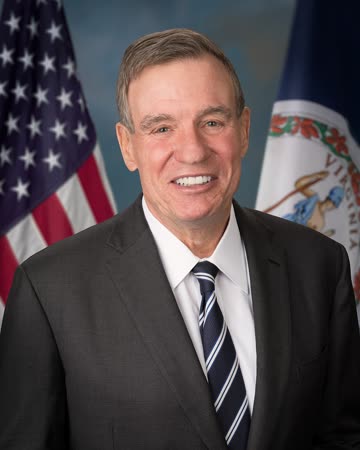
these vendors are not mere middlemen.
On Oct. 2, a group of 32 House members followed. The letter was led by Republican Reps. David Kustoff of Tennessee and Troy Balderson of Ohio, and Democratic signers include Reps. Mark Pocan of Wisconsin and Yvette Clarke of New York. 4 They warned that the restriction could push care back toward more costly emergency departments and institutional settings. 4
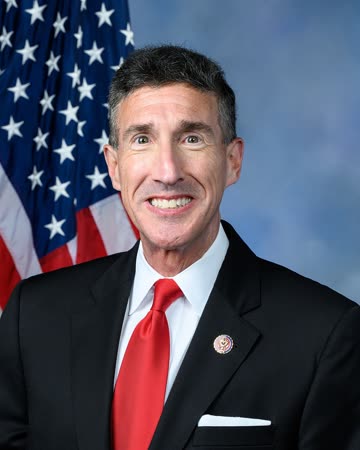
a blanket prohibition on partnering clinical staff could inadvertently disrupt the care delivery models
More than 230 health care organizations have also asked CMS not to finalize the plan. 9 Readers should weigh those warnings knowing that vendors have a business at stake. STAT reported industry warnings of a disastrous effect on these services. 13 The coalition's estimate that more than 1 million people could be disrupted has not been confirmed by CMS, and Medical Daily could not verify it. 8
The pattern
The timing here is striking. On July 15, the day after CMS released its plan, Kustoff announced that the House Ways and Means Committee had passed his bill to expand rural monitoring. 211 "The RPM Access Act will help more doctors and nurses monitor patients remotely," he said. 11 The bill has not become law. 412
The administration's rural health money points the same way. Some 22 states have announced roughly $240 million for remote monitoring through the $50 billion Rural Health Transformation Program. 8 This week CMS also promoted $87 million for rural providers in Texas and $39.7 million for rural care in Missouri. 10
The pattern is a familiar one: big rural funding announcements arrive at the same time as a quieter payment rule that could narrow how care is delivered. Yaver warned about "the quiet erosion of the benefits" seniors count on, rather than outright cuts. 1
CMS could still finalize, change or delay the policy. 4
The Record
- The HHS inspector general reports that about 43% of Medicare enrollees who got remote monitoring did not receive all three parts of the service. 6
- A follow-up inspector general report says Medicare payments for remote monitoring topped $500 million in 2024. 7
- CMS proposes paying for remote monitoring only when clinical staff employed by the practice do the work, not contractors. 2
- Sens. Mark Warner, D-Va., and Marsha Blackburn, R-Tenn., write to Oz about the proposed limits. 4
- A bipartisan group of 32 House members, led by Republicans Kustoff and Balderson, urges Oz to reconsider. 4
Republish this story on your site or in your newsletter
Any site, blog or newsletter may run this story free of charge. Keep the credit line and its link to the original, do not sell it, and edit only for length or house style (the full terms). Photos carry their own licenses, noted under each photo on this page, so use the text alone unless a credit says otherwise.
Paste it into your editor's HTML view. The one-pixel image at the end tells our newsroom the story ran; it stores no reader data.
Sources
- MS NOW (opinion), “Dr. Oz's new Medicare proposal would be bad news for rural seniors” (2026-10-29). ms.now/opinion/medicare-remote-monitoring-devices-new-rule-b
- Centers for Medicare & Medicaid Services, “Calendar Year (CY) 2027 Medicare Physician Fee Schedule Proposed Rule fact sheet” (2026-07-14). cms.gov/newsroom/fact-sheets/calendar-year-cy-2027-medicare-
- McDermott Will & Schulte, “Remote monitoring at a crossroads: CMS proposes sweeping changes in response to OIG scrutiny” (2026-07-16). mcdermottlaw.com/insights/remote-monitoring-at-a-crossroads-
- Medical Daily, “32 House Lawmakers Warn Rural Medicare Patients Could Lose Home Blood Pressure and Glucose Monitoring Under CMS Plan” (2026-10-09). medicaldaily.com/rural-medicare-remote-monitoring-house-lett
- Prevounce, “The Pushback on CMS's Proposed 2027 Changes to RPM” (2026-10-20). blog.prevounce.com/the-pushback-on-cms-proposed-2027-changes
- HHS Office of Inspector General, “Additional Oversight of Remote Patient Monitoring in Medicare Is Needed” (2024-09-19). oig.hhs.gov/reports/all/2024/additional-oversight-of-remote-
- HHS Office of Inspector General, “Billing for Remote Patient Monitoring in Medicare” (2025-08-25). oig.hhs.gov/reports/all/2025/billing-for-remote-patient-moni
- Medical Daily, “More Than 230 Health Groups Warn Medicare Remote Monitoring Vendor Limits Could Disrupt Care Starting in 2027” (2026-09-16). medicaldaily.com/medicare-remote-monitoring-vendor-limits-20
- Alliance for Connected Care, “Over 200 Organizations Urge CMS to Protect Remote Monitoring” (2026-09-14). connectwithcare.org/200-organizations-urge-cms-to-protect-re
- Centers for Medicare & Medicaid Services, “CMS Newsroom” (2026-10-30). cms.gov/newsroom
- Office of Rep. David Kustoff, “Congressman David Kustoff's Rural Patient Monitoring Access Act Advances Ways and Means” (2026-07-15). kustoff.house.gov/media/press-releases/congressman-david-kus
- Alliance for Connected Care, “Remote Physiologic Monitoring is Crucial for Rural Patients (Rural Patient Monitoring Access Act one-pager)” (2026-06-15). connectwithcare.org/wp-content/uploads/2026/07/FINAL-Rural-P
- STAT, “In a major policy shift, Medicare proposes to ban vendors from providing remote monitoring services” (2026-07-15). statnews.com/2026/07/15/cms-proposes-ban-medicare-remote-pat
Found an error? Tell the newsroom. Corrections are noted at the top of the story.
More from the files

Stand-alone Medicare drug plan premiums to rise 50% in 2027 as Trump touts lower prices
A KFF analysis finds average premiums for stand-alone Medicare drug plans will climb from $34 to $51 a month in 2027. Trump says drug prices are the lowest in the world, but millions of seniors face higher costs.
Humana, UnitedHealthcare end Medicare Advantage plans for 1 million as CMS touts stability
Two of the biggest Medicare insurers are dropping plans that cover about 1 million seniors for 2027. A month earlier, the Trump administration's Medicare agency called 2027 a year of stability. Here is what is changing and what to do if your plan is ending.
CMS launches $275 million program paying nurses up to $50,000 to staff nursing homes
The federal Nurses for Nursing Homes program offers student loan repayment and a stipend to nurses who commit to three years at qualifying facilities. Critics say money alone won't fix the shortage, and a separate student loan rule could work against it.
Delivered free to your door*
The Morning Edition
One short email at 7 a.m. Eastern: the day's top files, one clip worth your time, and the race to watch. Plain English, large type, no clutter.
*Your inbox. Free. Unsubscribe with one click, any time.