Health Care · Report · File No. 261116-698
States use $50 billion rural health fund to lure doctors, with a five-year catch
At least 38 states plan to use the new rural health fund to recruit doctors and nurses. Anyone who takes the money must stay five years or may have to repay it, and critics say that could limit the plan's results.
Every quote in this story (2) was matched word for word against its source. How we work
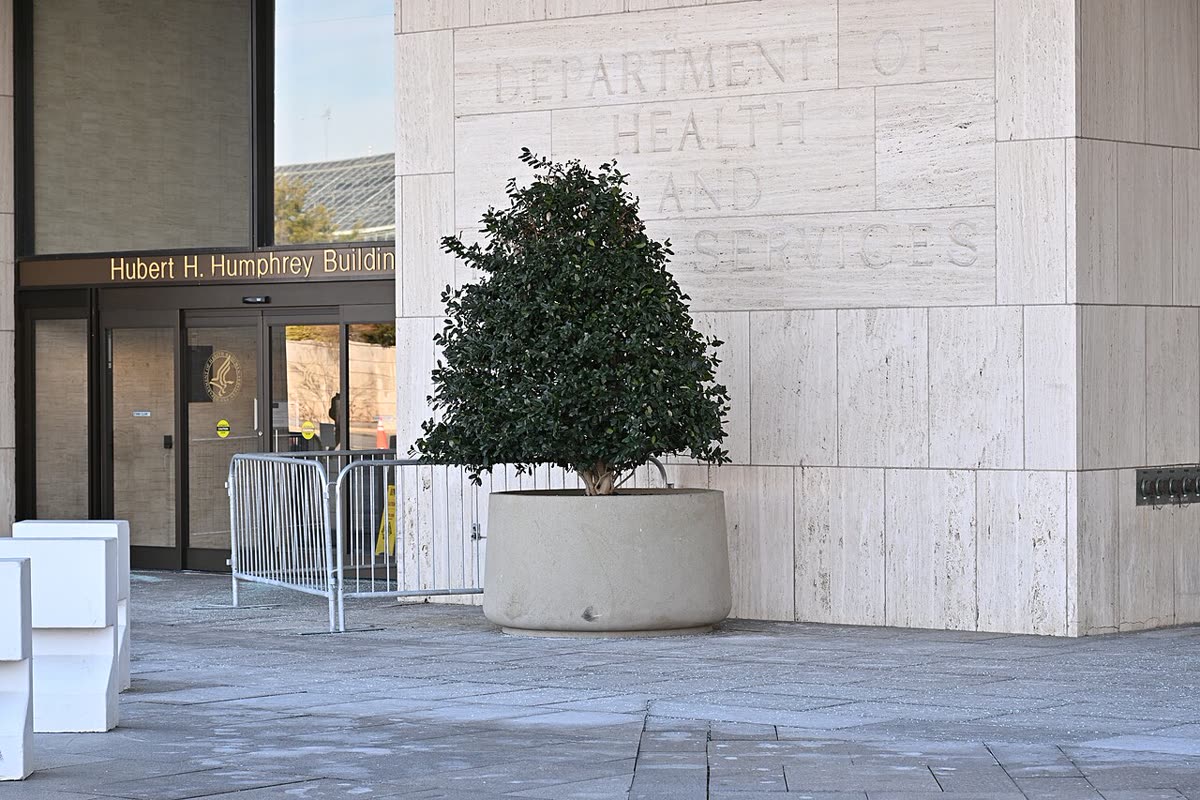
At least 38 states plan to use part of the $50 billion Rural Health Transformation Program to attract more health care workers to rural areas, KFF Health News reported Monday. The program was created by President Donald Trump's One Big Beautiful Bill Act 1. The money comes with a condition: providers who get these incentives must practice in rural spots for at least five years 1.
If they leave early, they may have to pay the money back. States can prorate the repayment to reflect years already served 1. To have a debt forgiven, a state must give federal officials "documentation substantiating a provider's death or disability," according to the federal rules 1.
What states are offering
Hawaii will give up to $200,000 each to selected health care workers who agree to practice in a rural part of the state for at least five years. The state estimates it is already short 833 physicians 1.
Nebraska expects nearly $1.1 billion over five years. In April it announced awards of $7,500 to $75,000 per year, depending on specialty, for providers who commit five years at a facility that accepts Medicaid, the federal-state health program for low-income people 2. Michigan is offering scholarships to students training as emergency medical technicians, who face the same five-year commitment as physicians 1.
 From Channel GOPTrump dodges rigged-election question, calls Massie loserDonald Trump · 566 plays · captioned, with the source named
Why critics doubt the five-year rule
The Bipartisan Policy Center, a Washington research group, released a report questioning how well the rule will work. Maya Sandalow, who worked on it as the group's health program director, said many providers called five years too rigid, especially lower-paid workers such as community health workers 1.
The requirement might be a pretty big one compared to the level of award that that individual is receiving, no matter what the degree is
Few programs ask for so long. The National Health Service Corps, a federal program, requires two to four years. About 80% of its participants still work in a shortage area one year after finishing, but fewer than half stay in the same county 1.
Donald Pathman, a University of North Carolina professor who studies these programs, pointed to flexibility in the rules. Participants can move around the state if they stay in rural practice, and states largely design their own programs 1. He also warned of risk in that approach.
There’s not any heavy hand in federal requirements with this
The Centers for Medicare & Medicaid Services, which oversees the program, declined to comment on the record about the five-year requirement 1.
A student's story, and a loan cap
Dylan Lawton, a medical student in a University of Hawaii program on Kauai, owes four years of service there after residency. He was diagnosed with stage 4 lung cancer that spread to his brain. He now needs monthly treatment on Oahu, and it is unclear what will happen to his commitment 1.
The same federal law capped federal loans for graduate professional education at $50,000 a year, or $200,000 in total. Health experts warn this will make it harder for many students to enter the field without incentive programs 1.
What happens next depends on the states. Over 100 million Americans live in areas with a health professional shortage, and rural areas account for 62% of the places short of primary care professionals 1. That matters for older rural patients, who often depend on nearby clinics and hospitals. Whether a doctor who signs a five-year deal actually stays is the open question.
The Record
Republish this story on your site or in your newsletter
Any site, blog or newsletter may run this story free of charge. Keep the credit line and its link to the original, do not sell it, and edit only for length or house style (the full terms). Photos carry their own licenses, noted under each photo on this page, so use the text alone unless a credit says otherwise.
Paste it into your editor's HTML view. The one-pixel image at the end tells our newsroom the story ran; it stores no reader data.
Sources
- KFF Health News, “States Offer Perks To Attract Healthcare Workers to Rural Areas — With a Catch” (2026-11-16). kffhealthnews.org/rural-health/rural-healthcare-provider-sho
- Nebraska Public Media, “Nebraska DHHS will pay health care providers to live and work in rural areas” (2026-04-10). nebraskapublicmedia.org/es/news/news-articles/nebraska-dhhs-
Found an error? Tell the newsroom. Corrections are noted at the top of the story.
More from the files
Trump administration awards $10 billion in rural health funds to all 50 states
The second yearly payment of a $50 billion rural health program went out Nov. 9, after a missed deadline. Critics say the fund is too small to offset Medicaid cuts that hit rural hospitals.
CMS gives states six more months before Medicaid work rule can cost anyone coverage
The Trump administration will let states skip enforcing the Medicaid work requirement until at least July 1. The delay follows months of warnings from Democratic governors and a Democratic midterm win.
Medicaid work rules exempt Native Americans, but spotty state checks could cost coverage
Federal law excludes tribal citizens from Medicaid work requirements. With little federal guidance, states are using different proof rules, and Native leaders fear a repeat of the 2023 coverage losses.
Delivered free to your door*
The Morning Edition
One short email at 7 a.m. Eastern: the day's top files, one clip worth your time, and the race to watch. Plain English, large type, no clutter.
*Your inbox. Free. Unsubscribe with one click, any time.