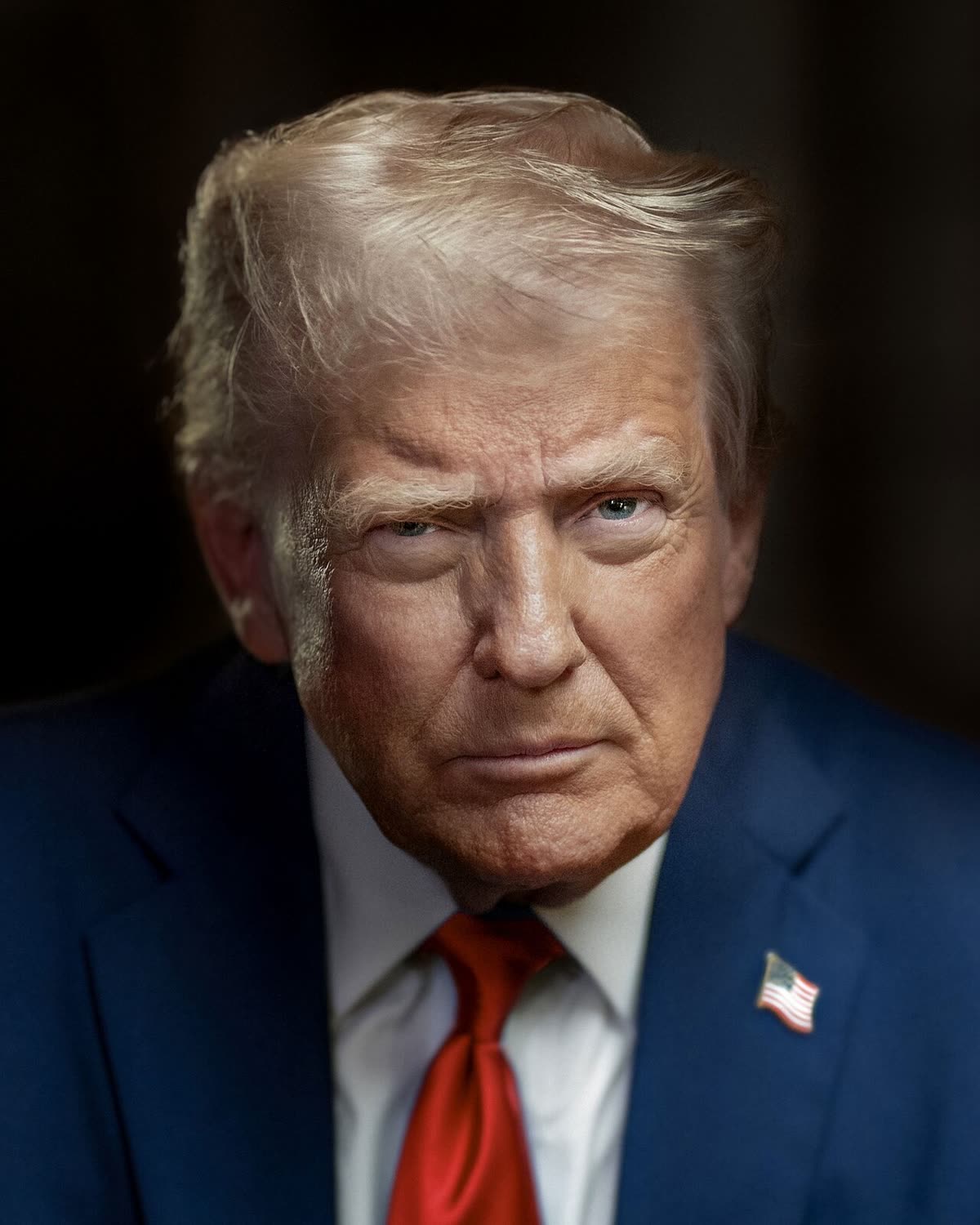
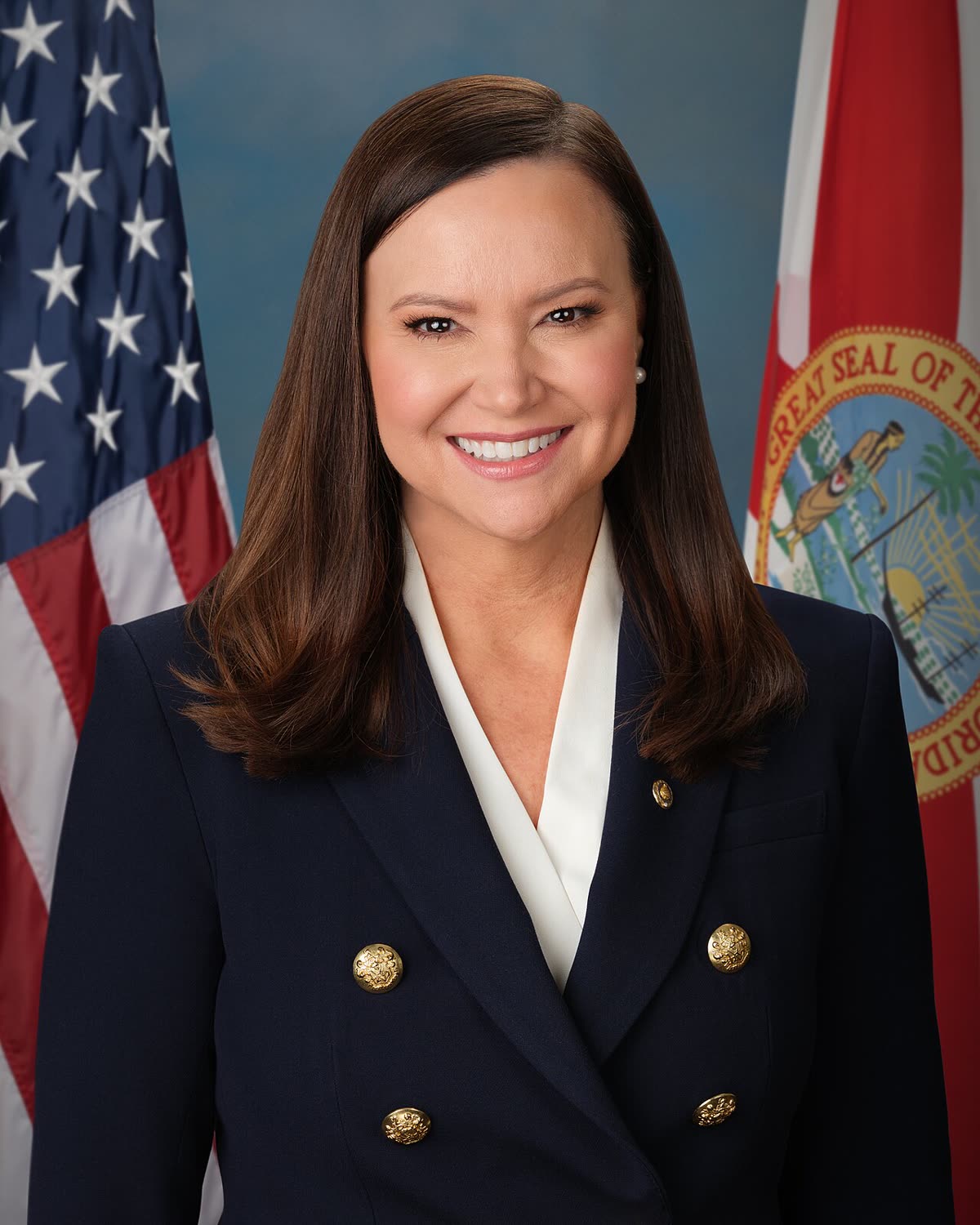
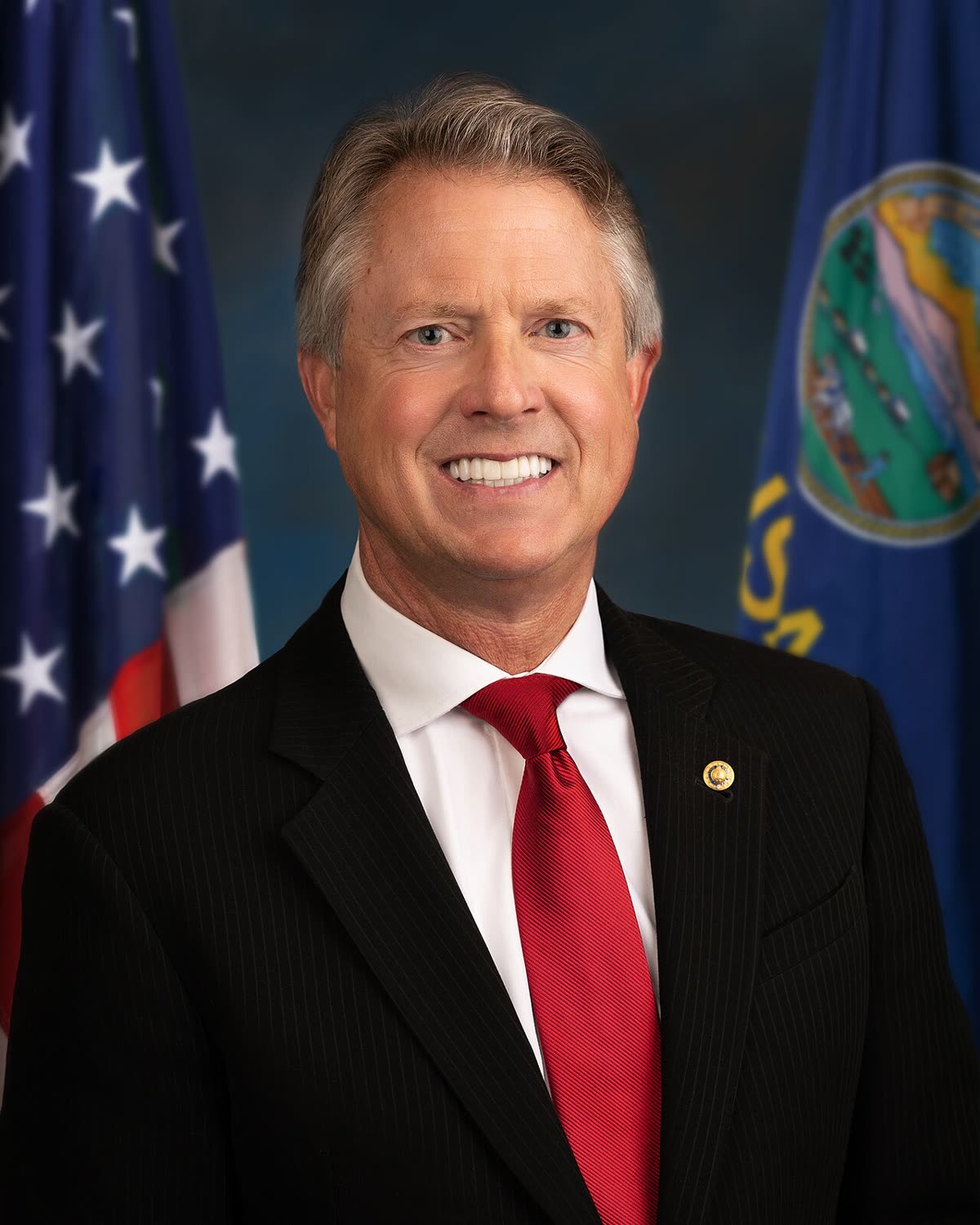
At a Republican campaign stop in Mount Pleasant, Wisconsin, on Oct. 17, Rep. Bryan Steil answered ads saying he cut Medicaid, the government health program for people with low incomes. He told the crowd that Wisconsin's Medicaid money was going up, not down 1.
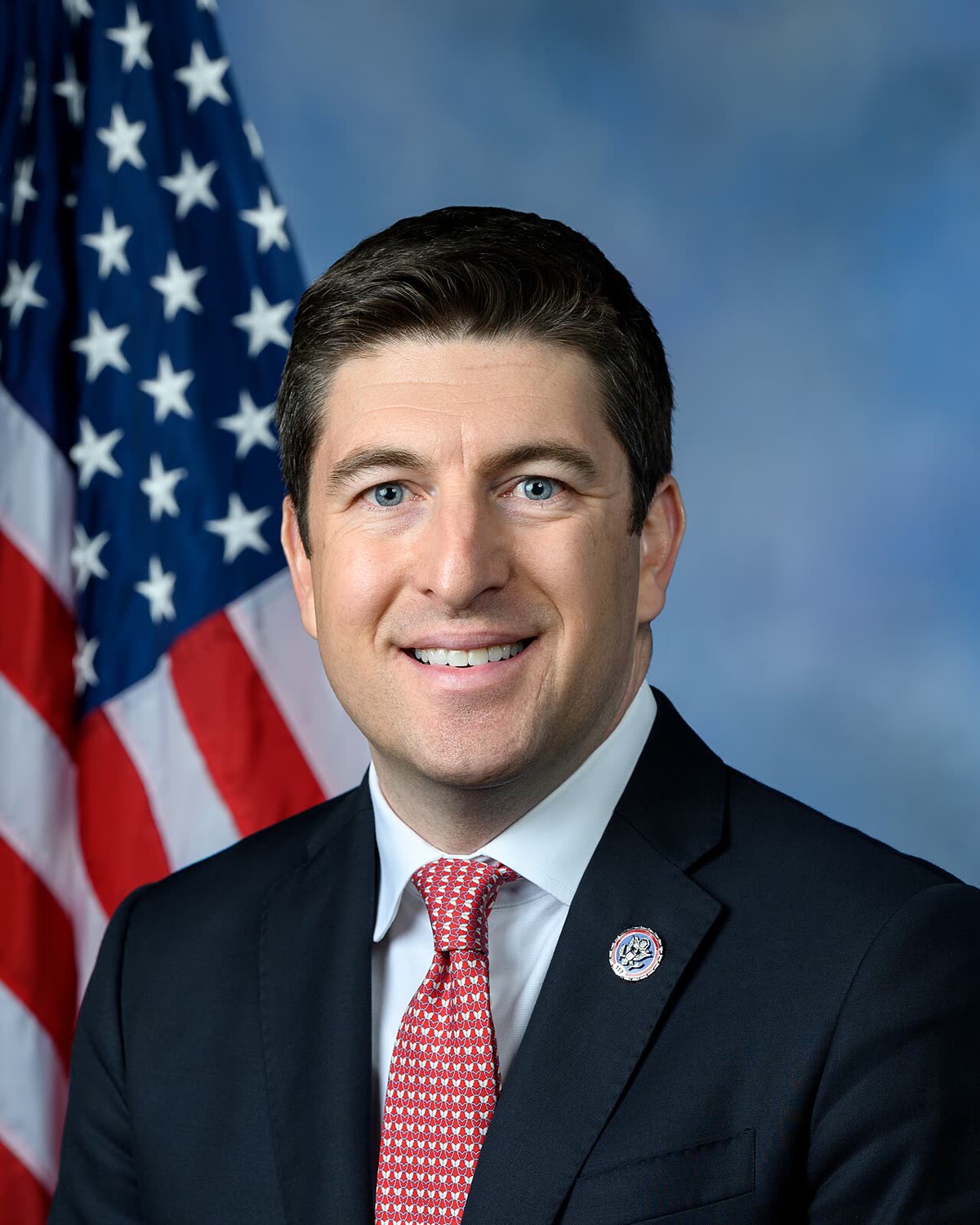
Raise your hand if you think a billion-dollar increase is a cut.
A fact-check published today by the Racine County Eye found that the roughly $1 billion boost is real. It also found that Steil's pitch leaves out two things: hospitals pay the state's share of the money, and "The same federal law Steil voted for begins cutting the new money." 1
Then: July 2025
The House passed President Trump's tax and spending bill, which Republicans call the One Big Beautiful Bill Act, on July 3, 2025 2. That day Steil called the bill "a win for Wisconsin workers, families, and seniors." He also said it would be "strengthening Medicaid for vulnerable Americans." 2
We saved American taxpayers more than $1 trillion and did so while protecting Social Security and Medicare benefits
That "$1 trillion" in savings came with a price for health care. KFF, a nonpartisan health research group, estimates from Congressional Budget Office figures that the law cuts federal Medicaid spending nationwide by about $911 billion over 10 years 1.
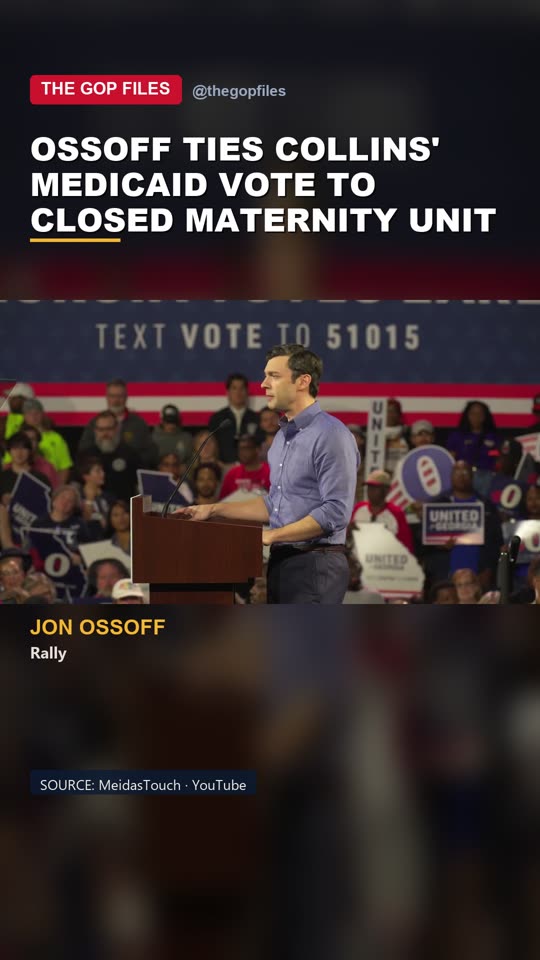 From Channel GOPOssoff ties Collins' Medicaid vote to closed maternity unitJon Ossoff · 9.9K plays · captioned, with the source named
Now: October 2026
Steil and his Democratic challenger, emergency room nurse Mitchell Berman, held their only scheduled debate on Oct. 20 at WCLO radio in Janesville 3. Steil said the law "results in an increase in $1 billion in federal money coming to the state of Wisconsin for Medicaid," and he accused Berman of spreading "false information" 3.
Rep. Tom Tiffany, the Republican running for governor, told the same Mount Pleasant crowd that Congress had brought in the money 1.
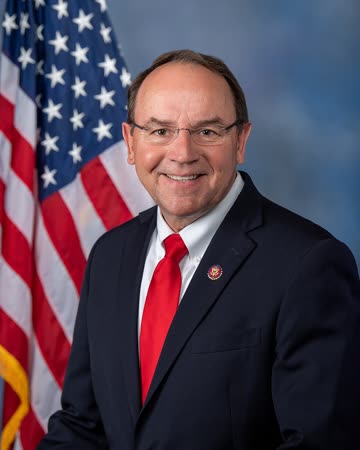
With our work in Congress, we've secured another billion dollars for Wisconsin for this upcoming year
Where the $1 billion comes from
The money mostly comes from a state decision, not a federal one. Wisconsin's 2025-27 budget, which Democratic Gov. Tony Evers signed on July 3, 2025, raised the state's tax on hospitals by about $1.09 billion a year. That took it from roughly $420 million to $1.51 billion 1.
Wisconsin uses that tax to draw matching federal dollars, then pays hospitals higher Medicaid rates. That works out to about $2.01 billion more a year, of which $1.22 billion is federal. About $298.3 million a year goes into the state's Medicaid trust fund instead of patient care 1.
"Hospitals still come out ahead, by about $919 million a year, according to the Legislative Fiscal Bureau's figures," the fact-check said 1. The Wisconsin Hospital Association puts the net gain lower, at about $740 million, because it counts the loss of a separate $182 million program for hospitals that serve many low-income patients 1.
The 2028 cut
Under the 2025 federal law, the extra hospital payments made through Medicaid health plans start shrinking on Jan. 1, 2028. They "must drop 10 percentage points a year until total Medicaid payments fall to 110% of what Medicare pays for the same care," the Racine County Eye reported 1. The state Department of Health Services projects the hospital tax will fall from $1.51 billion to $1.32 billion by the 2028-29 budget year 1.
Wisconsin is not the only state affected. An Aug. 14 KFF analysis estimated that about $60 billion in federal Medicaid spending for hospital services in 37 states, counting the District of Columbia, would likely go over the law's new limits once they fully take effect 6.
"Steil's campaign did not answer whether he supports repealing or delaying the cut," the fact-check said 1. Meanwhile, the hospitals that would lose the money are asking Congress to step in 1.
We'll be working to build support in Congress to prevent those scheduled reductions
The other change coming in January
The same law adds work requirements to BadgerCare Plus, Wisconsin's Medicaid program. About 200,000 adults ages 19 to 64 with no child under 19 at home will have to show at least 80 hours of work, volunteering, school or job training in a month, unless they qualify for an exemption 5.
The rules start in January 2027 for new applicants. People already enrolled face them at renewal, starting in March 2027 5. The state health department says about 63,000 people are at "immediate risk of losing their health care coverage" because it lacks paperwork showing they meet the rules or are exempt 5. In Racine County alone, 7,441 members are affected 1.
The race
Wisconsin's 1st District includes Kenosha and Racine counties, most of Walworth County, and parts of Rock and Milwaukee counties. Trump won it by just over 4 points in 2024. The Cook Political Report rates it Lean Republican, and Sabato's Crystal Ball moved it from Likely Republican to Leans Republican this month 4.
Berman says he would provide full funding for Medicaid and restore the extra Affordable Care Act subsidies that help people buy insurance 4. He also pointed out that Steil voted against the 2022 law that lets Medicare negotiate prices on certain drugs 3. Steil said Medicare and Social Security are "promises we made and promises we need to keep" 4.
The pattern is familiar. In 2025, Steil sold the law as savings of more than $1 trillion. In 2026, he describes it as a $1 billion increase. Both claims can't describe the same Medicaid money: Wisconsin's increase came from a state hospital tax, and the federal law he voted for is set to start shrinking it after the election.
The Record
- The House passes Trump's tax and spending law. Steil says it is "strengthening Medicaid for vulnerable Americans." 2
- Gov. Tony Evers signs Wisconsin's 2025-27 budget, raising the state's hospital tax by about $1.09 billion a year to draw more federal Medicaid money. 1
- KFF estimates about $60 billion in federal Medicaid hospital spending in 37 states will likely go over the 2025 law's new limits. 6
- At a Mount Pleasant campaign stop, Steil asks voters to raise their hand if they think a billion-dollar increase is a cut. 1
- In their only debate, Steil says the law brings $1 billion more in federal Medicaid money, and Berman says health care has been "gutted." 3
Sources
- Racine County Eye, “Medicaid's $1 billion boost is real. Hospitals pay the state's share, and cuts start in 2028.” (2026-10-24). racinecountyeye.com/2026/10/24/steil-tiffany-toney-racine-co
- FOX6 News Milwaukee, “'Big beautiful bill:' Wisconsin lawmakers react to House passage” (2025-07-03). fox6now.com/news/big-beautiful-bill-house-vote-wisconsin
- Wisconsin Examiner via Urban Milwaukee, “Steil, Berman Face Off in Debate for 1st Congressional District Seat” (2026-10-21). urbanmilwaukee.com/2026/10/21/steil-berman-face-off-in-debat
- WPR, “Republicans have held Wisconsin's 1st Congressional District for decades. Could this be the year it flips?” (2026-10-22). wpr.org/news/1st-house-district-bryan-steil-mitchell-berman-
- Wisconsin Watch, “New Medicaid work requirements are coming. Here's what you need to know.” (2026-08-02). wisconsinwatch.org/2026/08/new-medicaid-work-requirements-ar
- KFF, “Analysis: At least 37 states have Medicaid state directed payments for hospital services that could be reduced by the 2025 reconciliation law limits” (2026-08-14). kff.org/medicaid/analysis-at-least-37-states-have-medicaid-s
Found an error? Tell the newsroom. Corrections are noted at the top of the story.