Democracy & Rule of Law · Report · File No. 261115-408
Trump asks Supreme Court to curb judges' power to void unlawful rules nationwide
Trump's Justice Department wants the justices to rule that when a judge strikes down a federal rule, the ruling helps only the people who sued. The test case is about surprise medical bills, but the answer would affect the rules behind every federal program, Medicare included.
Every quote in this story (4) was matched word for word against its source. How we work
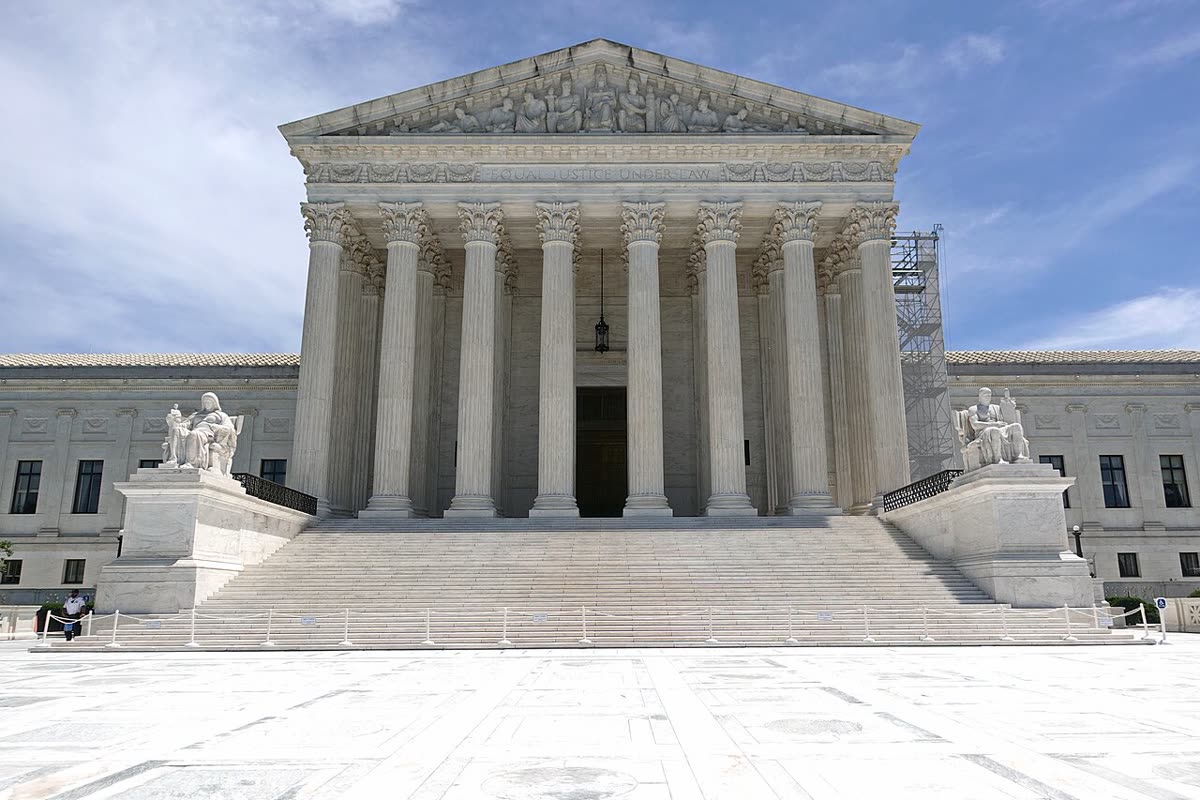
The Trump administration is asking the Supreme Court to limit federal judges' power to strike down unlawful government rules for the whole country. The Justice Department argues that when a court finds a rule illegal, the relief should usually go only to the people or groups who sued 12.
The case is Department of Health and Human Services v. Texas Medical Association, No. 26-491. The government filed its appeal on Oct. 14, 2026. Reuters reported on it in detail on Saturday, Nov. 14 13.
A surprise-billing case becomes a test of judicial power
The fight started with the No Surprises Act. That federal law took effect Jan. 1, 2022. It protects insured patients from unexpected out-of-network bills for emergency room visits, air ambulance rides and planned care at in-network hospitals and surgery centers 6.
The Texas Medical Association, the air ambulance company LifeNet and other providers sued over parts of a 2021 rule. That rule set the formula for the "qualifying payment amount," a benchmark used in deciding what out-of-network providers get paid. On Aug. 11, 2026, the full U.S. Court of Appeals for the Fifth Circuit left in place a lower-court ruling that threw out those provisions 4.
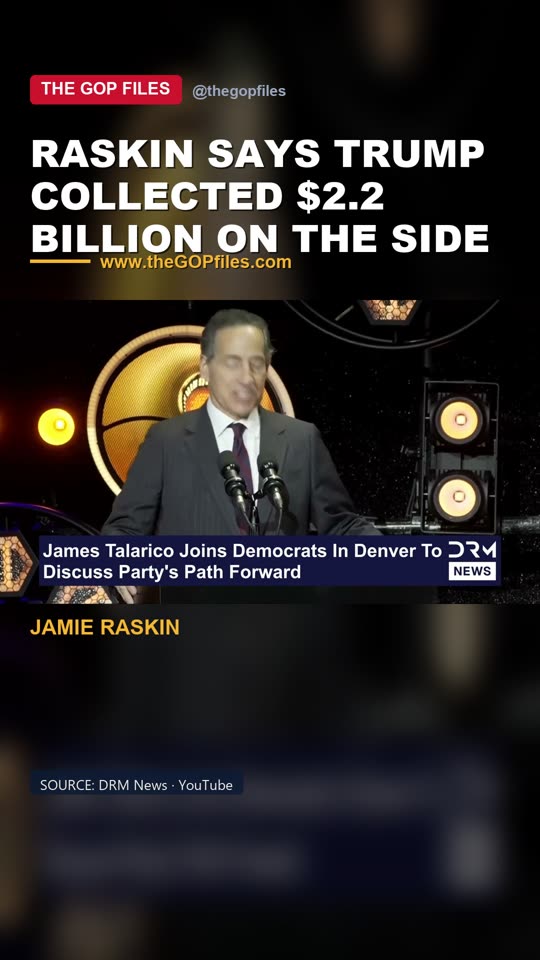 From Channel GOPRaskin says Trump collected $2.2 billion on the sideJamie Raskin · 218 plays · captioned, with the source named
The administration is not arguing that the rule was legal. It is challenging only the remedy: the power of judges to set aside a rule for everyone rather than just for the plaintiffs 14. In legal terms that power is called "universal vacatur," and it comes from the Administrative Procedure Act (APA), a 1946 law that sets out how federal agencies write rules and how courts review them 25.
The department wrote that the justices "should return the lower courts to their proper role under the APA" 1. It relies heavily on Trump v. CASA, the June 27, 2025 ruling in which the Supreme Court sharply limited nationwide injunctions 24. That decision expressly left the APA question open 7.
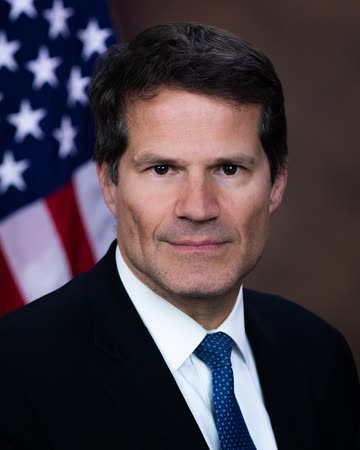
should return the lower courts to their proper role under the APA.
What changes if the government wins
Aditya Bamzai, an administrative law expert at the University of Virginia, told Reuters that such a ruling would make the executive branch more flexible. He added that how people feel about that may depend on which administration holds the power 12.
Ronald Levin, a law professor at Washington University in St. Louis, told Reuters that striking a rule down nationwide is sometimes the only workable fix. He gave food safety and auto safety as examples 12.
You can't have a food-safety rule that applies only to some.
This tool has been used against Trump policies. A federal judge in Oakland threw out the agency policies behind the administration's $100,000 payment on H-1B work visas in a ruling reported around Oct. 1, 2026. A Maryland judge threw out a 2025 immigration agency policy that kept nonprofit groups from registering new citizens to vote at naturalization ceremonies 5.
A July 2026 report from the Congressional Research Service, the nonpartisan research arm of Congress, counted 50 nationwide injunctions against the second Trump administration, 16 of them issued after the CASA decision. It found that lower courts have refused to stretch CASA to cover APA cases, and that the government generally stops enforcing policies a court has vacated 7.
Democrats warned about this road in 2025
When the court limited nationwide injunctions in June 2025, Senate Democratic Whip Dick Durbin of Illinois called the ruling a serious blow to the separation of powers 9. Rep. Jamie Raskin of Maryland, then the top Democrat on the House Judiciary Committee, said the court had "ridiculously reinterpreted the Judiciary Act of 1789 to block nationwide injunctions" 8.
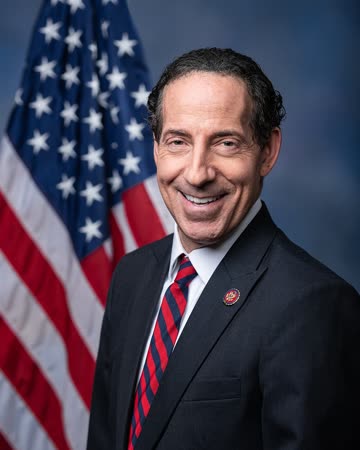
The Constitution and the people are stronger than Donald Trump's determination to ignore them both.
playing procedural games with the most fundamental right explicitly protected by our Constitution.
The Trump administration is not the first to ask. In 2023, the Biden administration asked the Supreme Court to limit this same power, in a case Republican attorneys general from Texas and Louisiana had brought over an immigration policy. The justices did not take up that request 1. In that case, Justice Neil Gorsuch wrote that the court would "have to address" the issue at some point 5.
Texas, Florida and other mostly Republican-led states have defended the broad remedy. They urged the Fifth Circuit not to "neuter" the APA as a check on federal overreach 1.
What happens next
The medical groups' response was first due Nov. 13. The court extended that deadline to Dec. 14, 2026. On Nov. 13, the New Civil Liberties Alliance and the Landmark Legal Foundation filed friend-of-the-court briefs, which are filings from groups that are not parties to the case 3.
The justices are expected to decide in early 2027 whether to hear the case 2. Four justices must agree to take it 4. If they agree by about mid-January, a decision would likely come by the end of June 2027 5.
That matters because the case is not really about one billing formula. It is about who has the last word when a federal agency breaks the law. If the government wins, a rule a judge has found illegal could stay in force for millions of people who never sued. The Congressional Research Service notes that Congress could rewrite the APA to settle the question 7.
The Record
- The No Surprises Act takes effect, protecting insured patients from many unexpected out-of-network bills 6
- In Trump v. CASA, the Supreme Court limits nationwide injunctions but leaves the APA question open 27
- The full Fifth Circuit leaves in place a ruling throwing out parts of the 2021 surprise-billing payment rule 4
- The Justice Department asks the Supreme Court to bar universal vacatur of unlawful rules in case No. 26-491 3
- Extended deadline for the medical groups to respond to the government's petition 3
Republish this story on your site or in your newsletter
Any site, blog or newsletter may run this story free of charge. Keep the credit line and its link to the original, do not sell it, and edit only for length or house style (the full terms). Photos carry their own licenses, noted under each photo on this page, so use the text alone unless a credit says otherwise.
Paste it into your editor's HTML view. The one-pixel image at the end tells our newsroom the story ran; it stores no reader data.
Sources
- Reuters (via WTVB), “At the Supreme Court, Trump aims to cut the power of judges again” (2026-11-14). wtvbam.com/2026/11/14/at-the-supreme-court-trump-aims-to-cut
- IBTimes UK, “Trump Asks Supreme Court To 'Return the Lower Courts to Their Proper Role' in Bid To Boost His Power” (2026-11-14). ibtimes.co.uk/trump-administration-supreme-court-nationwide-
- Supreme Court of the United States, “Docket No. 26-491: Department of Health and Human Services v. Texas Medical Association” (2026-11-13). supremecourt.gov/search.aspx?filename=/docket/docketfiles/ht
- O'Neill Institute, Georgetown Law, “Trump Administration Asks Supreme Court To Limit Universal Vacatur In No Surprises Act Case” (2026-10-20). oneill.law.georgetown.edu/publications/trump-administration-
- Immigration Analytics, “Justice Department Asks the Supreme Court to Limit Universal Vacatur, the Remedy Behind Many Immigration Policy Losses” (2026-10-17). immigration-analytics.com/2026/10/17/justice-department-asks
- CMS, “Medical bill rights: The No Surprises Act” (2026-11-14). cms.gov/medical-bill-rights
- Congressional Research Service, “Nationwide Injunctions and Universal Judicial Relief One Year After Trump v. CASA (R49022)” (2026-07-07). everycrsreport.com/reports/R49022.html
- House Judiciary Committee Democrats, “Ranking Member Raskin's Statement on Supreme Court's Decision in Trump v. CASA” (2025-06-27). democrats-judiciary.house.gov/media-center/press-releases/ra
- Office of Sen. Dick Durbin, “Durbin statement on Supreme Court decision to limit judges' power to issue nationwide injunctions” (2025-06-27). durbin.senate.gov/newsroom/press-releases/durbin-statement-o
Found an error? Tell the newsroom. Corrections are noted at the top of the story.
More from the files
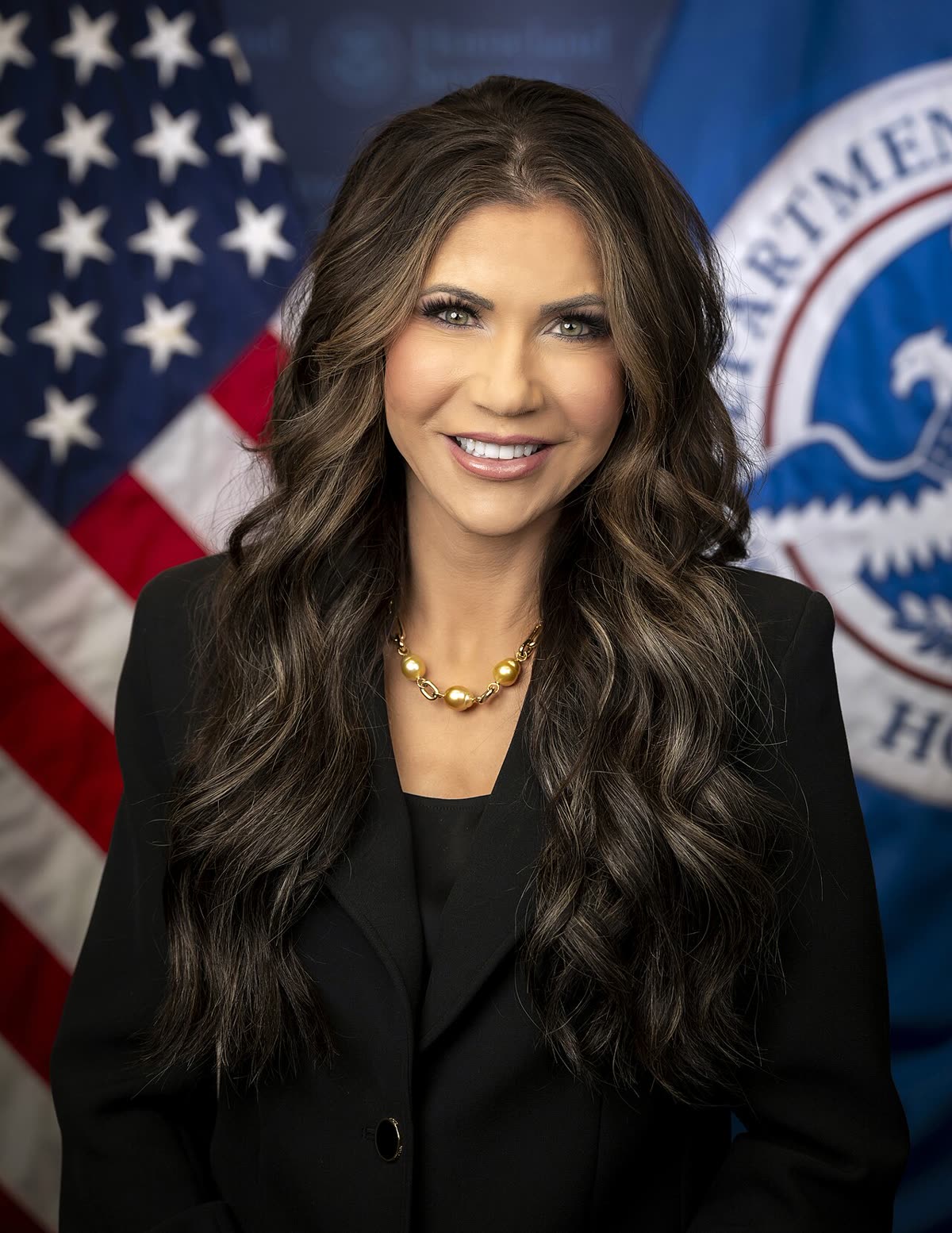
Democrats prepare to pursue fired DHS chief Noem when they take control of Congress
Trump fired Kristi Noem as Homeland Security secretary in March, but Democrats will gain subpoena power in January. Oversight of the department and immigration enforcement is set to continue.
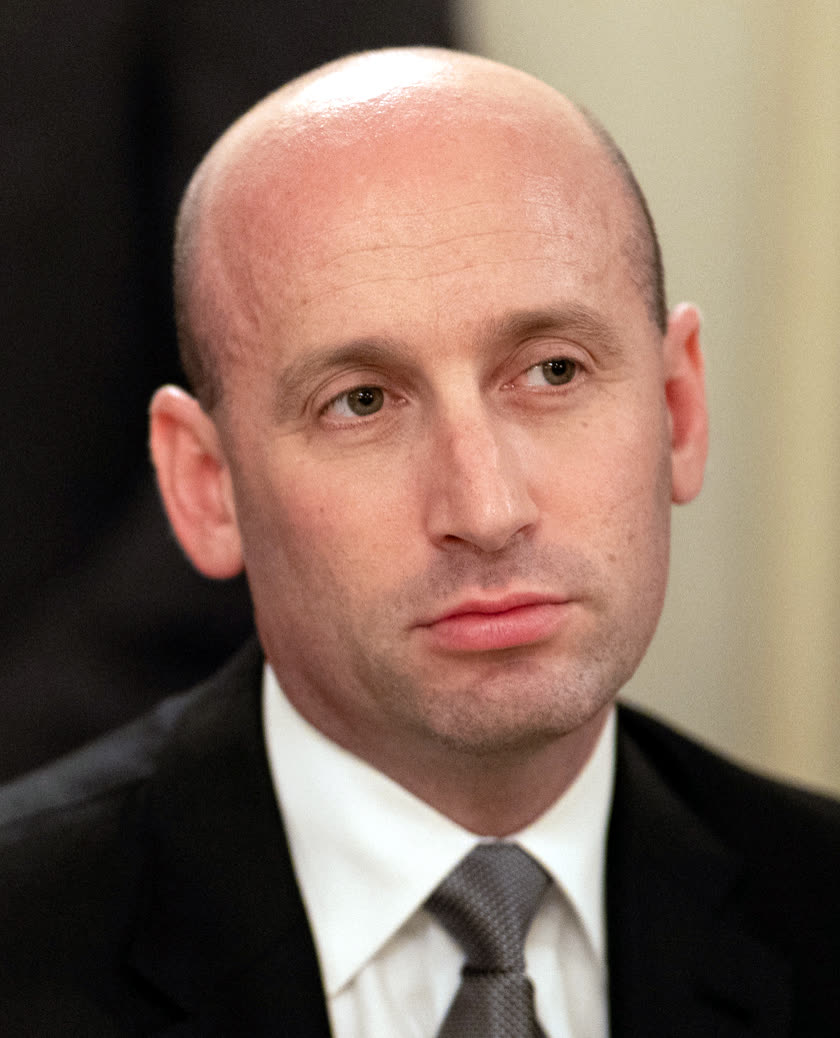
Miller backed arresting journalists to expose sources, report says; DOJ denies it
The Atlantic reports that White House and Justice Department officials discussed arresting reporters to make them name their confidential sources. Stephen Miller, the aide said to favor the idea, becomes White House chief of staff today. The report rests on unnamed sources, and the Justice Department calls it false.
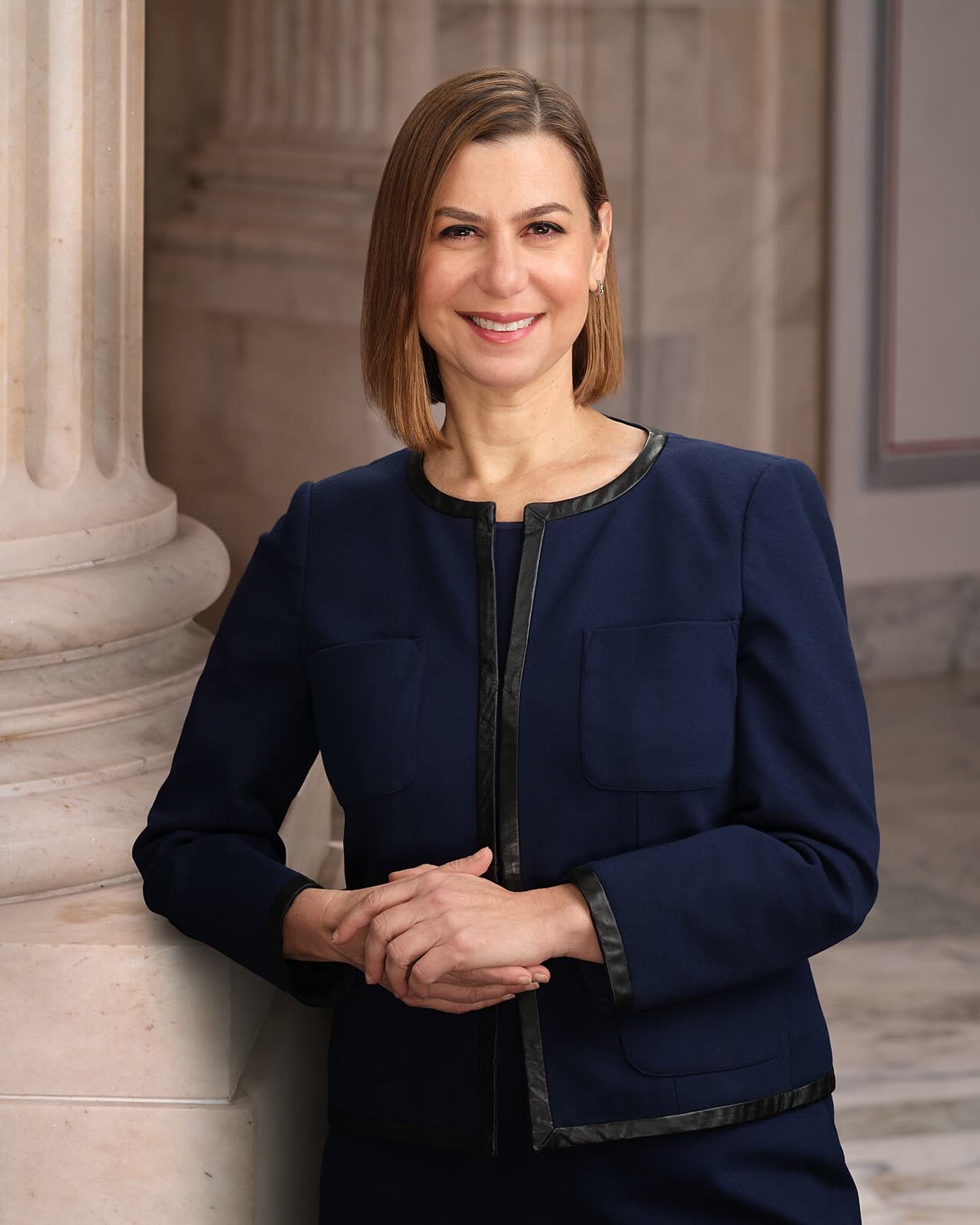
Trump orders Justice Department to investigate Democrats, naming Sen. Slotkin
President Trump said he is directing the Justice Department to look into what he calls Democratic 'extortion' and 'lawfare.' The order comes days after Democrats won Congress and as they prepare to investigate his administration.
Delivered free to your door*
The Morning Edition
One short email at 7 a.m. Eastern: the day's top files, one clip worth your time, and the race to watch. Plain English, large type, no clutter.
*Your inbox. Free. Unsubscribe with one click, any time.