Democracy & Rule of Law · Report · File No. 261106-578
Montana voters ban corporate election spending, setting up a Citizens United test
About 65% of Montanans approved Initiative 194, which would strip corporations of the legal power to spend on elections. Backers and critics both expect a court fight that could reach the Supreme Court.
Every quote in this story (2) was matched word for word against its source. How we work
Montana voters have approved a first-of-its-kind ban on corporate political spending. Roughly 65% voted for Initiative 194, known as the "Montana Plan," in a state President Donald Trump won by nearly 20 points in 2024 1. Voters decided the measure on Tuesday, Nov. 3 2.
The law is set to take effect Jan. 1 1. Montana lets voters make law through ballot initiatives 1.
How the plan works
The 2010 Supreme Court ruling in Citizens United lets corporations spend as much as they want on elections, as long as they don't coordinate with a candidate's campaign 1. Montana's plan takes a different route. It does not restrict speech directly. It argues that corporations get their powers from the state, so the state can limit those powers 1.
Initiative 194 would strip corporations, trade associations, labor unions and nonprofits of the legal power to spend money influencing Montana elections. That includes groups headquartered elsewhere 1. Violators risk losing state-granted privileges such as limited liability, which generally shields shareholders from personal responsibility for corporate debts 1.
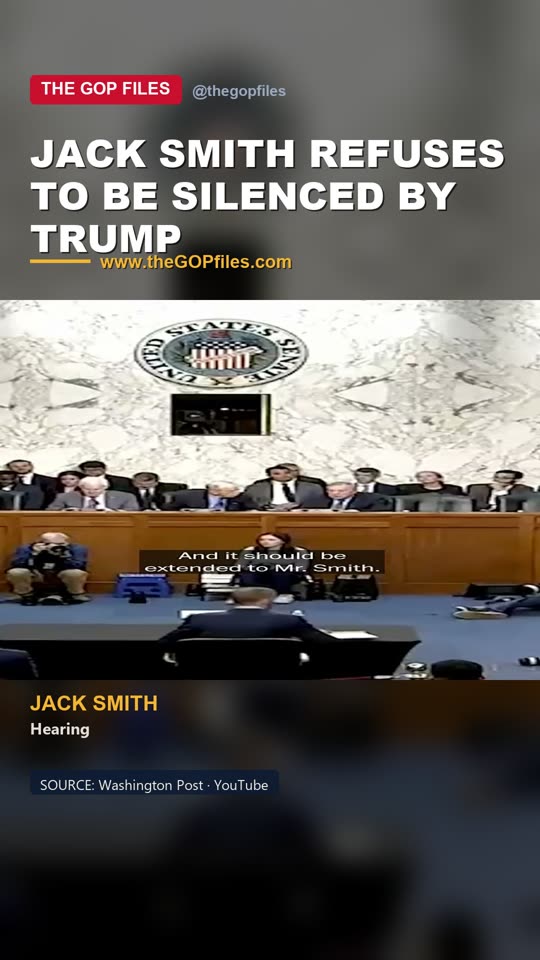 From Channel GOPJack Smith refuses to be silenced by TrumpJack Smith · 163 plays · captioned, with the source named
The law exempts individuals, political committees, government entities and news, commentary and editorial content 1. Tom Moore, a former Federal Election Commission official who helped develop the plan, said it would not stop Elon Musk from writing a big check personally. Musk's companies, though, would face the new limits 12.
If a single state can successfully deny corporate power over elections, it proves that Citizens United wasn't the final word on democracy, and we will continue battling,
The fight ahead
Opponents call the plan an unconstitutional end run around Citizens United 1. Brad Smith, a former FEC chairman who leads the Institute for Free Speech, says it would hurt small groups more than billionaires 1.
Billionaires will find loopholes. All this really does is silence Montana's small- and medium-sized businesses.
A first legal test is already underway in Hawaii. Lawmakers there passed a similar law in May. The U.S. Chamber of Commerce has sued to block it, and the Institute for Free Speech represents the Grassroot Institute of Hawaii in a separate challenge 1. The national ACLU argued in a court brief that the law violates the First Amendment 1.
Experts told CNBC the dispute could reach the Supreme Court. Its 6-3 conservative majority has repeatedly loosened campaign finance limits. In June, it struck down limits on political parties' spending coordinated with candidates 1.
Montana's Republican-controlled legislature could also amend or repeal the law. If it does, backers have pledged to return to voters in 2028 1. Similar measures are being explored in more than 30 states 1.
Why it matters
Known corporate giving to outside groups in federal elections grew from $13 million in 2010 to more than $600 million by September 2026, according to OpenSecrets. That figure leaves out nonprofits that hide their donors 1.
The plan has its own irony. Samantha Walton, wife of Walmart heir Lukas Walton, gave $722,300 to groups backing it, and LinkedIn co-founder Reid Hoffman gave $150,000. The campaign's organizing nonprofit generally doesn't have to disclose its donors 1.
Montana has been here before. Voters banned corporate campaign spending in 1912 after copper barons bribed lawmakers. The Supreme Court struck that law down in 2012 under Citizens United 12.
The Record
- Montana voters banned corporate campaign spending after copper barons bribed lawmakers 1.
- The Supreme Court struck down Montana's century-old ban under Citizens United 12.
- Hawaii lawmakers enacted a similar law, now challenged in court by the U.S. Chamber of Commerce and others 1.
- About 65% of Montana voters approved Initiative 194, which is set to take effect Jan. 1 12.
Republish this story on your site or in your newsletter
Any site, blog or newsletter may run this story free of charge. Keep the credit line and its link to the original, do not sell it, and edit only for length or house style (the full terms). Photos carry their own licenses, noted under each photo on this page, so use the text alone unless a credit says otherwise.
Paste it into your editor's HTML view. The one-pixel image at the end tells our newsroom the story ran; it stores no reader data.
Sources
- CNBC, “Montana votes to ban corporate political money. Next stop? Probably the Supreme Court” (2026-11-06). cnbc.com/2026/11/06/montana-initiative-194-corporate-spendin
- Fortune, “Montana Citizens United ballot measure and the midterms” (2026-11-03). fortune.com/2026/11/03/montana-citizens-united-ballot-measur
Found an error? Tell the newsroom. Corrections are noted at the top of the story.
More from the files
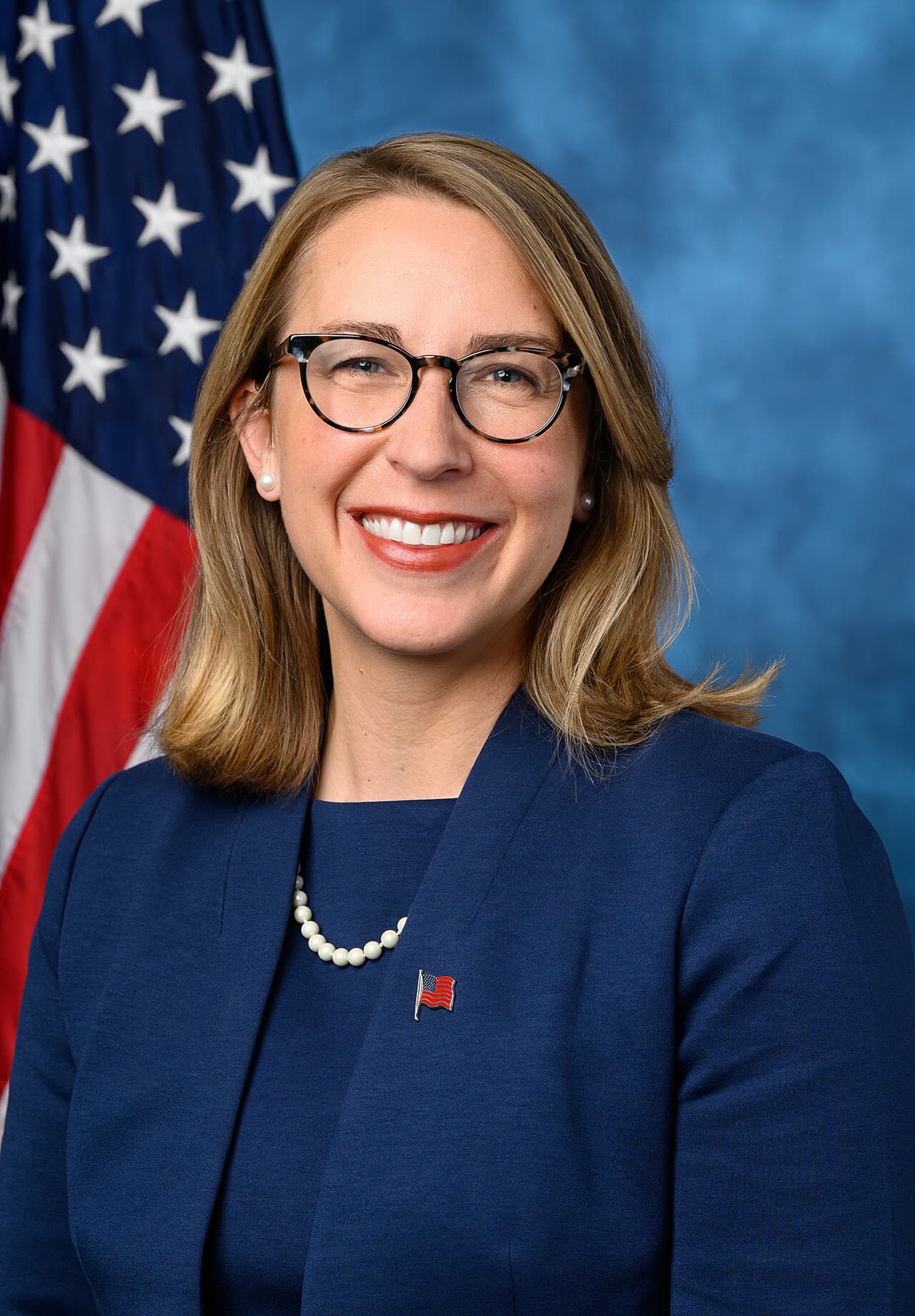
Michigan Democrat offers constitutional amendment to let Congress regulate campaign cash
Rep. Hillary Scholten's resolution would restore Congress's and the states' authority over campaign-finance rules after Supreme Court decisions limited it. It has little chance of passing soon, but it comes as this year's campaigns top $15 billion in spending, by her count.
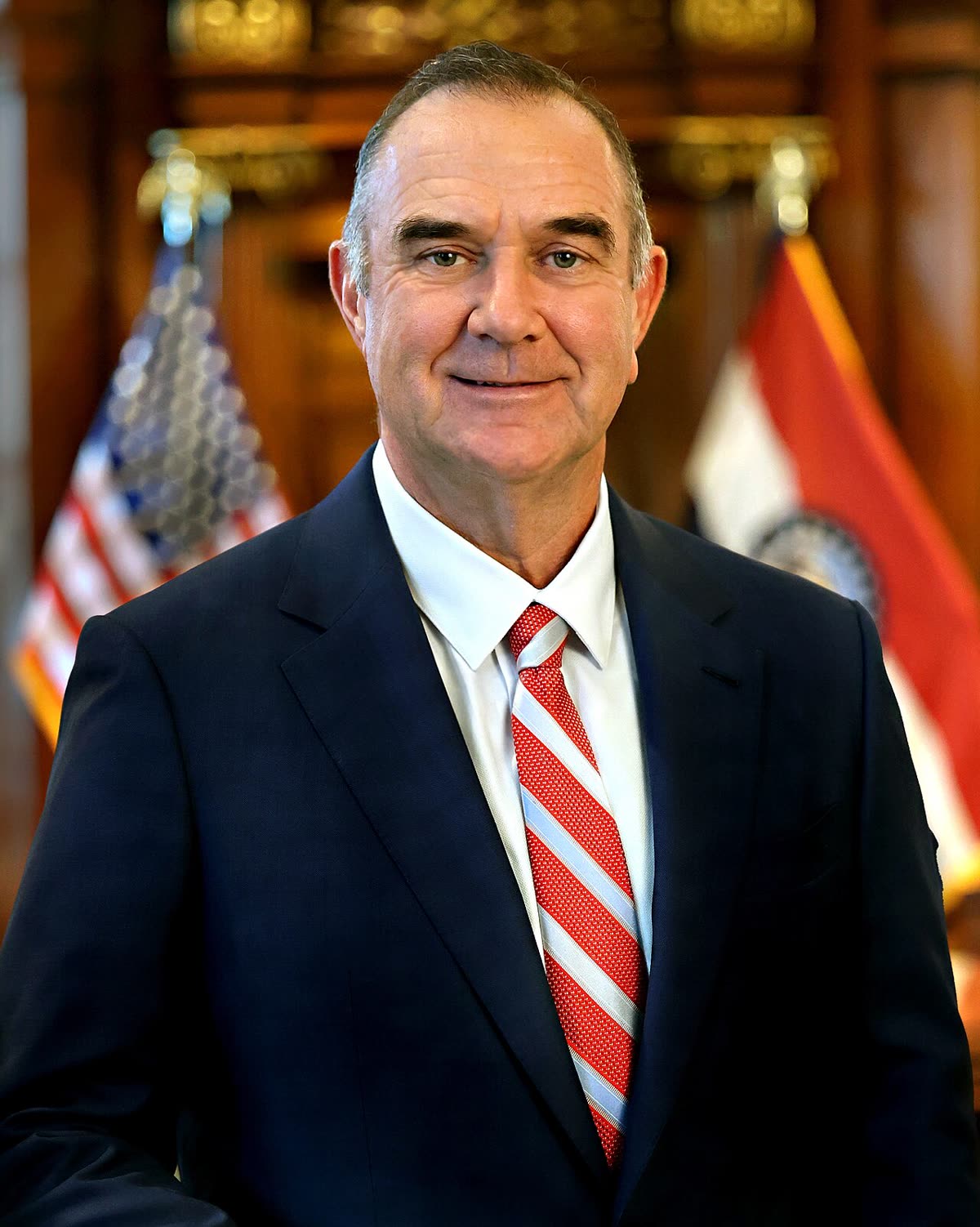
Missouri voters reject Amendment 3, keeping abortion rights in the constitution
The measure, which would have reinstated a near-total abortion ban and added a constitutional ban on gender-affirming care for minors, won only 44% of the vote. It is the first time a state has turned back an attempt to undo an abortion-rights amendment.
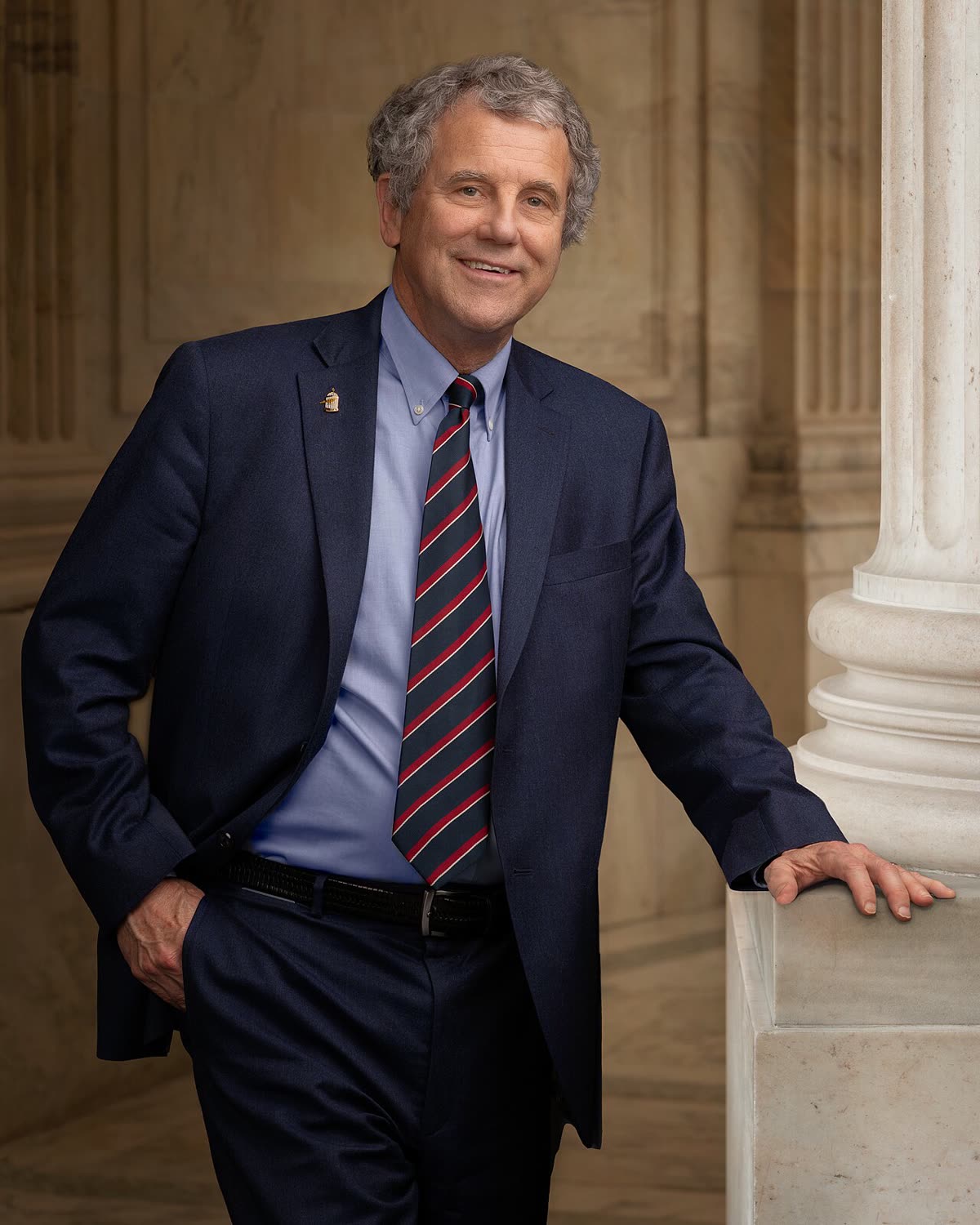
Super PACs back minor-party Senate candidates in Ohio and other close races
Outside groups tied to both parties are boosting third-party and independent candidates who could pull votes from major-party nominees. Some of the groups disclose their donors late, so voters may not know who is paying.
Delivered free to your door*
The Morning Edition
One short email at 7 a.m. Eastern: the day's top files, one clip worth your time, and the race to watch. Plain English, large type, no clutter.
*Your inbox. Free. Unsubscribe with one click, any time.