Immigration · Report · File No. 261027-966
Philadelphia lost an estimated $811 million in sales to ICE arrest fears, Penn study finds
A Wharton professor's research estimates that immigration arrests cut 193 million visits to Philadelphia stores and workplaces. Nationally, the study puts lost spending at up to $14 billion in a year, and it found shoppers stayed away even from businesses with no tie to the arrests.
Every quote in this story (4) was matched word for word against its source. How we work

A University of Pennsylvania professor estimates that immigration arrests cost Philadelphia businesses about $811 million in lost sales. The Philadelphia Inquirer reported the findings on Monday 1. The study, by Zeke Hernandez of Penn's Wharton School, also estimated a 193 million decline in visits to the city's stores and workplaces 1.
The Inquirer calls the cost an "ICE tax." ICE is U.S. Immigration and Customs Enforcement, the Department of Homeland Security (DHS) agency that arrests and detains immigrants 1. It is not a tax anyone pays at the register. It is money that stops changing hands because people are afraid to go out 12.
"This new approach to enforcement," Hernandez told the Inquirer, "has real consequences" 1.
What the study measured
Wharton's summary of the research says that in areas targeted by ICE, foot traffic fell 2.9% and consumer spending fell 6.9% compared with 2024 2. Nationally, that works out to about 8.1 billion fewer visits and between $3 billion and $14 billion in lost spending in the first year of President Trump's second term 2.
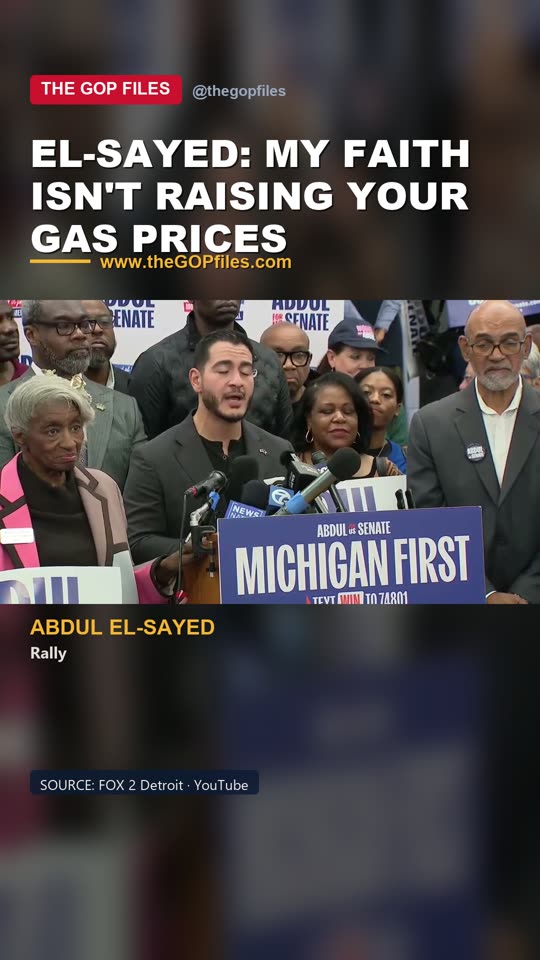 From Channel GOPEl-Sayed: my faith isn't raising your gas pricesAbdul El-Sayed · 124 plays · captioned, with the source named
The study used 5,388 geocoded ICE raids. It tracked foot traffic at 5.4 million businesses and other commercial sites using cellphone location records, plus card spending at 1.1 million sites, from January 2024 to February 2026 2. Hernandez compares each arrest to an earthquake. The damage is worst near the center and ripples out to businesses farther away 1.
The fear doesn’t go away when the ICE raid ends. People are constantly on alert. They’re afraid to go out
Shoppers did not make up the difference by buying online or ordering delivery, and the drop did not fade over time 2. The Inquirer reports that the losses showed up no matter who lived in a neighborhood and hit many kinds of businesses 1. Hernandez found two effects at once: workers stayed home, and customers came less often and spent less 1.
On the ground in Philadelphia
The Inquirer describes stores and sidewalks at the city's Italian Market emptying after rumors of raids in 2026 1. Gerardo Flores, who runs a food truck near Fourth Street and Allegheny Avenue in North Philadelphia, told the paper, "Families have been scared, and there has been a decline in the business" 1.
Hernandez said the fear reaches well beyond the people ICE is looking for. "It's clearly creating fear among people who have no reason to be detained," he told the Inquirer 1.
What the administration says
DHS disputed the findings. A spokesperson argued that removing criminals makes neighborhoods safer for businesses and their customers, and pointed to arrests of immigrants the department said had been convicted of serious crimes in Pennsylvania 1.
Removing these criminals from the streets makes communities safer for business owners and customers.
The wider numbers in the Inquirer's report tell a different story. The most recent data shows that more than 70% of people in ICE detention had no criminal conviction 1. The Migration Policy Institute counts about 980,000 deportations in the administration's first 18 months 1. The share of immigration arrests made away from the border, in American communities, rose from 28% in 2025 to 39% in July 2026 1.
Other research points the same way
The Penn study is not the only one. In September, a Brookings Institution report found that in cities where ICE arrests rose fastest in 2025, employment ran 0.4% below its expected path for up to a year. On average, each arrest in those cities was linked to four lost jobs 4.
"Fear drove workers to withdraw from the labor force even when they weren't arrested," said Marcela Escobari, the report's lead author 4. The White House rejected the idea that its tactics cost jobs and said its enforcement is meant to protect American workers 4.
There is no shortage of American minds and hands to grow our labor force
The Inquirer also cites the America's Voice Education Fund, a pro-immigration group, which reports a drop of 1.2 million in the foreign-born workforce over two years 1.
How Philadelphia has responded
On April 23, Philadelphia City Council passed a seven-bill "ICE Out" package with a veto-proof majority 3. Among other things, the bills ban officers from wearing masks or driving unmarked vehicles, require them to show badges, and bar city agencies from working with ICE without a judge's warrant. They also keep ICE out of city-owned spaces such as libraries, health centers and recreation centers unless agents have a judicial warrant 3.
We are going to put Philadelphia on the map of having one of the strongest local laws in the entire country
Councilmember Kendra Brooks, of the Working Families Party, said the city does "not take kindly to bullies who try to intimidate people in our communities" 3.
Why it matters
Analysis: The administration presents mass arrests as a public-safety measure that costs ordinary Americans nothing. This research says otherwise. It found the losses were not limited to immigrant neighborhoods and did not fade once agents left 12. The doughnut shops, butcher shops and supermarkets Hernandez asks about are also where longtime residents shop and where their neighbors work 1.
The Record
- Philadelphia City Council passes a seven-bill 'ICE Out' package with a veto-proof majority 3
- A Brookings report finds each ICE arrest in surge cities was linked to four lost jobs on average 4
- Wharton publishes a summary of Hernandez's study: up to $14 billion in lost spending nationally in one year 2
- The Inquirer reports the study's estimate of $811 million in lost Philadelphia sales and 193 million fewer visits 1
Sources
- The Philadelphia Inquirer, “Communities hit by immigration arrests suffer drops in foot traffic and consumer spending, Penn professor finds” (2026-10-26). inquirer.com/news/ice-tax-penn-professor-study-immigration-a
- Knowledge at Wharton, “ICE Raids Have a Chilling Effect on Local Economies” (2026-09-22). knowledge.wharton.upenn.edu/article/ice-raids-have-a-chillin
- WHYY, “Philadelphia City Council passes landmark ‘ICE Out’ legislation” (2026-04-23). whyy.org/articles/philadelphia-ice-out-legislation-passes-ci
- CBS News, “Increased ICE enforcement in 2025 hurt local employment, analysis finds” (2026-09-18). cbsnews.com/news/ice-surge-employment-effects-missing-jobs/
Found an error? Tell the newsroom. Corrections are noted at the top of the story.
More from the files
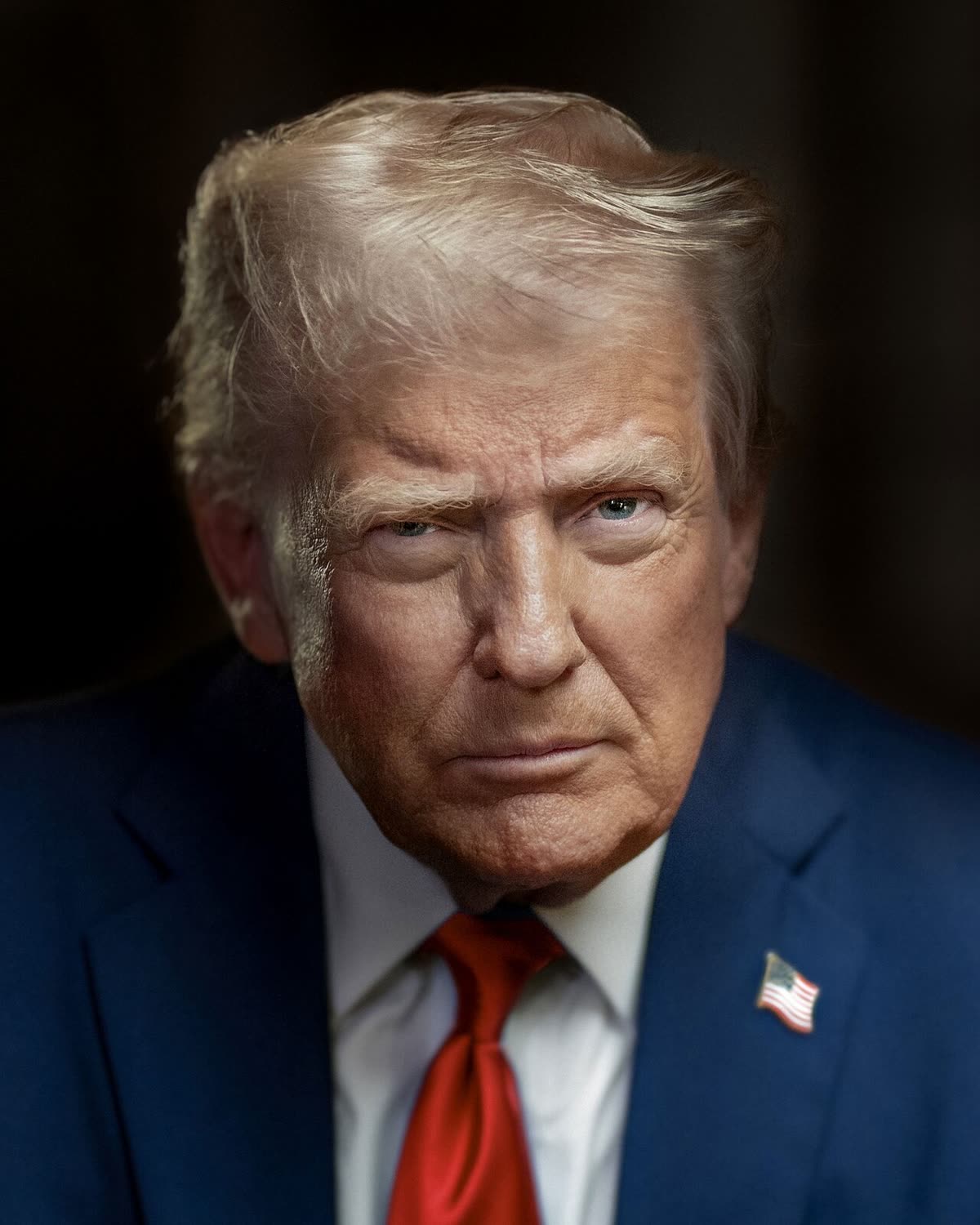
Texas town's police officer helped ICE deport neighbors, ProPublica reports
ProPublica reports that a patrol officer in Ingram, Texas, helped turn a 1,900-person town into a testing ground for the Trump deportation push. His traffic stops led to at least 70 handovers to ICE in three months.
Man dies at Georgia ICE detention center as hunger strike there continues
Luis Sandoval, 48, died Friday at the Folkston, Georgia, complex, where detainees say they have been threatened with force-feeding. Georgia's state police agency is investigating, and advocates demand an independent inquiry.
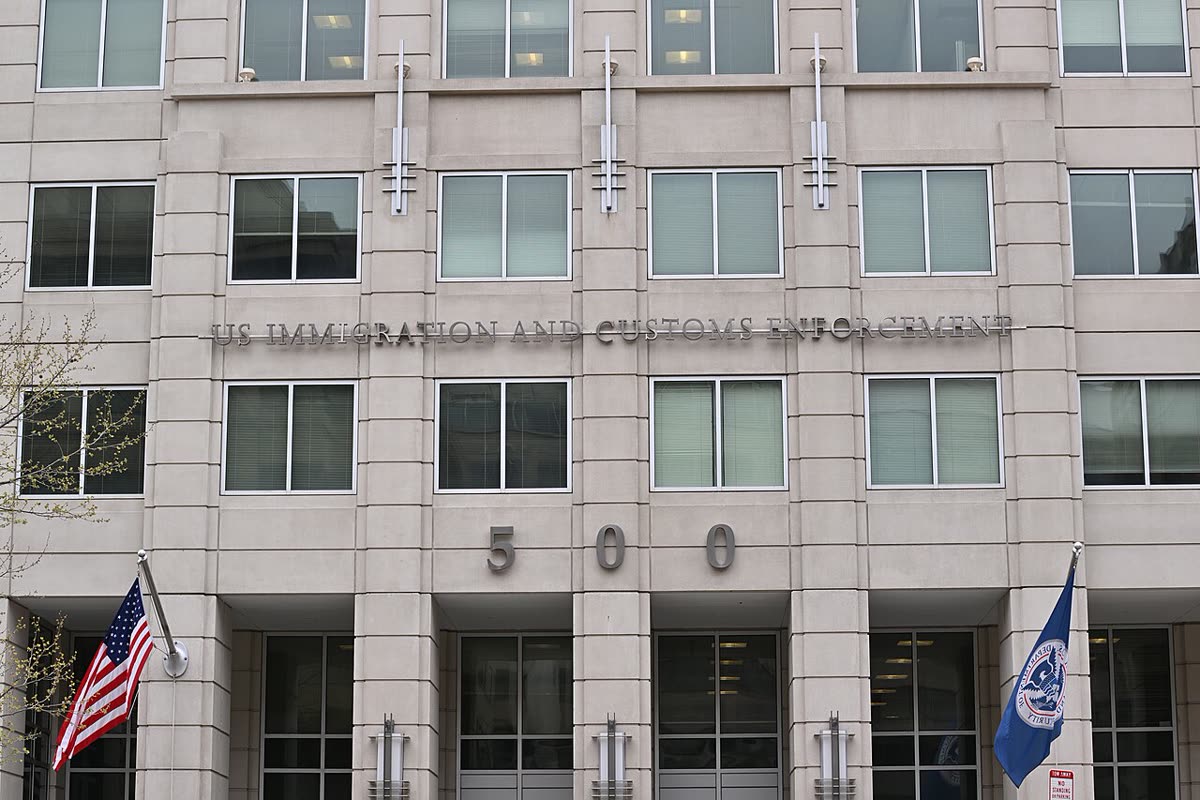
Georgia man charged over alleged Molotov cocktail attack on Atlanta ICE building
Federal prosecutors say Inique Hinton, 31, threw a firebomb at the downtown Atlanta building that houses ICE offices and an immigration court. The charges are allegations, and he has not been convicted.
Delivered free to your door*
The Morning Edition
One short email at 7 a.m. Eastern: the day's top files, one clip worth your time, and the race to watch. Plain English, large type, no clutter.
*Your inbox. Free. Unsubscribe with one click, any time.