Climate & Disasters · Report · File No. 261114-254
Report on four firefighter deaths in Colorado blames understaffing and fast-attack policy
A federal investigation into the June deaths of four helitack firefighters cites chronic understaffing, too few highly trained employees and a policy to put out fires quickly. It raises questions about federal wildfire readiness.
Every quote in this story (2) was matched word for word against its source. How we work
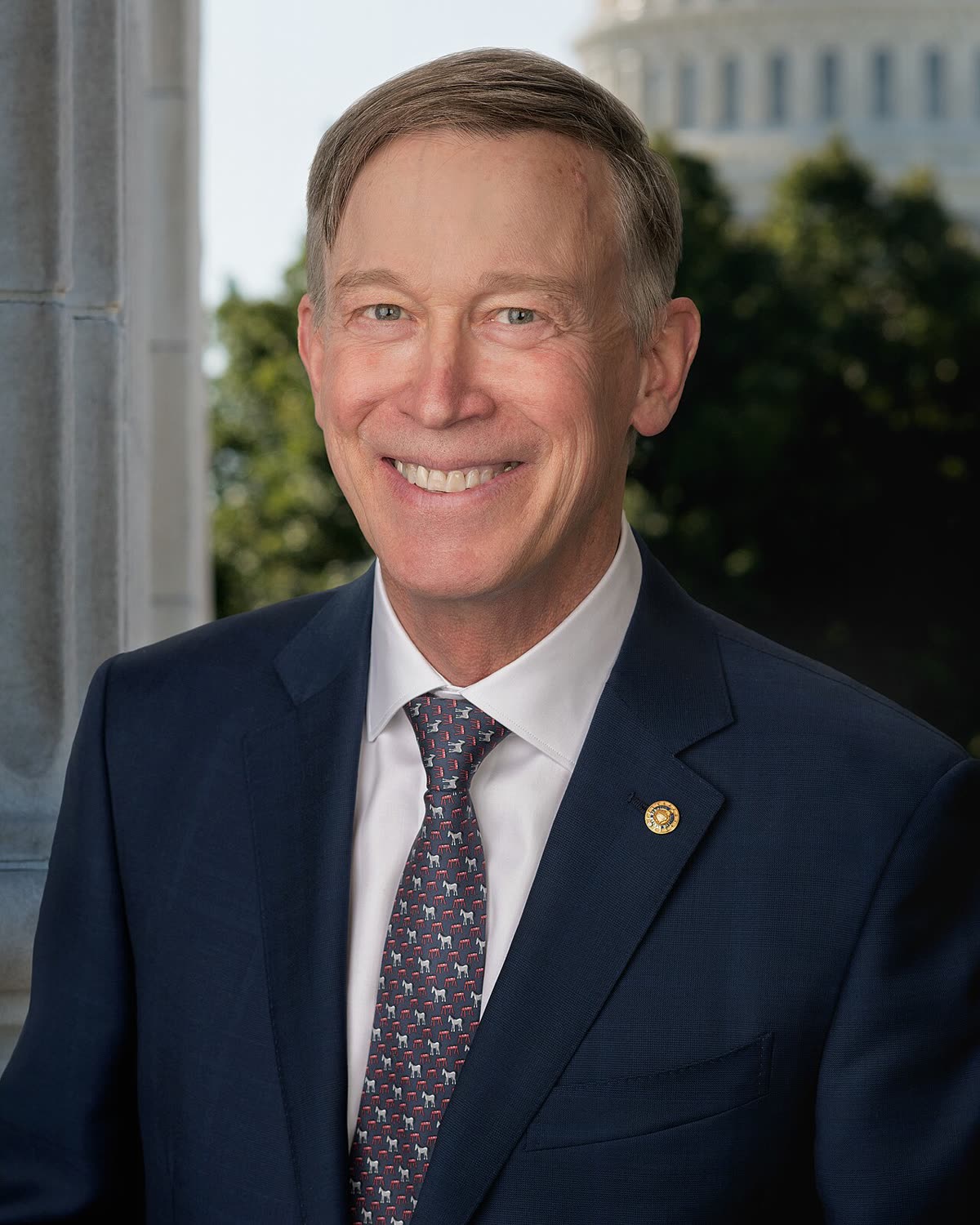
A U.S. Department of the Interior report says chronic understaffing, a lack of highly trained employees and a new policy to put out fires quickly helped cause the deaths of four firefighters in western Colorado in June. Unexpected fire behavior was also a factor 1.
The four were helitack firefighters, crews that are flown by helicopter to remote fires. They worked for the U.S. Forest Service and the newly created U.S. Wildland Fire Service on the Knowles fire. That fire merged with others to form the Snyder Fire on the Colorado-Utah border 1.
What the report found
Emily Barker, Nick Hutcherson and Sydney Watson were killed at the scene. Nathan Matthews was burned and died on July 24. A fifth crew member was burned but survived 1.
The crew had been dropped in a remote area to work on a fire line. Strong winds pushed the flames toward them and overtook them. A helicopter could not reach them in time, and they had to deploy fire shelters 1.
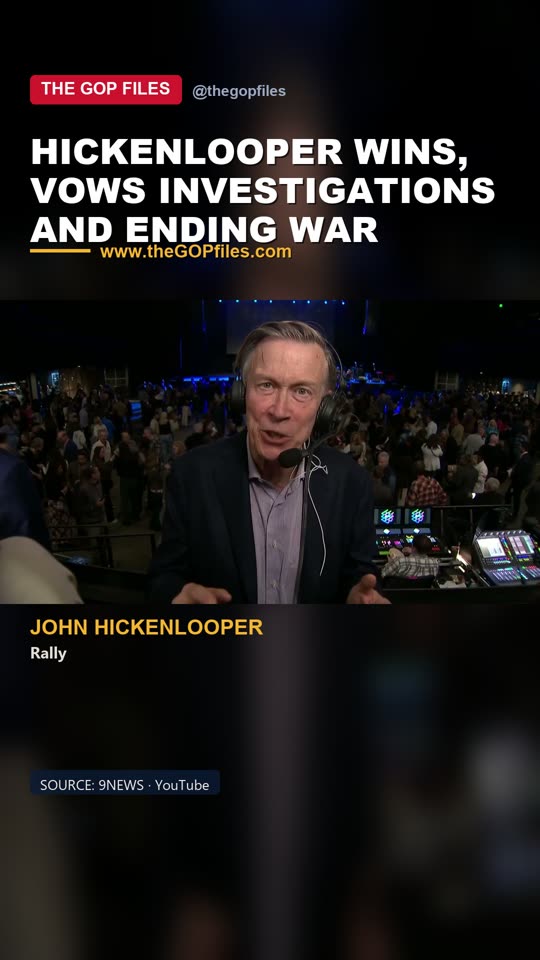 From Channel GOPHickenlooper wins, vows investigations and ending warJohn Hickenlooper · 394 plays · captioned, with the source named
The report says the Trump administration's revived policy of stamping out all wildfires quickly shaped the response. It says that posture “established an organizational posture to aggressively suppress new starts while small.” It adds that this “drove the decision to insert helitack firefighters onto small wilderness starts on a day with extreme fire weather conditions forecast” 1.
Decisions on the Knowles fire were driven by a wish to stop the spread of cheatgrass and protect sage-grouse habitat and a downwind community, the report said 1.
Dispatch also broke down. Many trainee dispatchers were coordinating the day's operations, and the report says dispatchers tracked up to 16 aircraft at once. They felt unable to send the mandatory 10 a.m. fire weather forecast broadcast 1.
No one was assigned to track where firefighters were against the fires' paths. As a result, overhead did not recognize the crew was “directly in the fire’s line of advance,” the report said. An aging radio system and software crashes also hurt communications, the family was told 1.
Families want accountability
Nick Hutcherson's parents, Ron and Lisa Hutcherson, met investigators in Grand Junction on Oct. 26. They believe the deaths were preventable and were caused by a failure of leadership and oversight 1.
Telling us how the fire reached our son does not answer why he was still there,
Colorado Sen. John Hickenlooper had asked for the investigation on the Senate floor on July 30. He asked whether “the administration's recent shifts to the Wildland Fire Service played any role in this event” 2.
These families deserve answers, and we need to understand what went wrong so we can prevent future tragedies.
Why it matters
Wildland firefighting is being centralized under the new U.S. Wildland Fire Service. This spring, Interior Secretary Doug Burgum issued a memo favoring a full suppression strategy for wildfires 2.
That matters because the report ties a policy choice to a staffing problem. An approach that sends crews to attack every small fire needs enough trained people, working radios and dispatchers who are not overloaded. The report says those were missing on June 27 1.
The wire copy does not say what Interior or the Wildland Fire Service will change in response. Congress is expected to ask, and the Hutcherson family says it wants answers and accountability 1.
The Record
- Lightning fires ignited in Colorado's Black Ridge Canyon Wilderness; a helitack crew was trapped by the Knowles fire 1.
- Firefighter Nathan Matthews died of burn injuries, the fourth death 1.
- Sen. John Hickenlooper called on Interior for a swift and thorough investigation 2.
- The Hutcherson family received a three-hour official readout of the report in Grand Junction 1.
Republish this story on your site or in your newsletter
Any site, blog or newsletter may run this story free of charge. Keep the credit line and its link to the original, do not sell it, and edit only for length or house style (the full terms). Photos carry their own licenses, noted under each photo on this page, so use the text alone unless a credit says otherwise.
Paste it into your editor's HTML view. The one-pixel image at the end tells our newsroom the story ran; it stores no reader data.
Sources
- ABC News (AP), “Investigation says understaffing and unexpected fire behavior led to firefighter deaths” (2026-11-14). abcnews.com/US/wireStory/investigation-understaffing-unexpec
- KUNC, “Hickenlooper calls for investigation into firefighters killed in burnover” (2026-08-01). kunc.org/regional-news/2026-08-01/hickenlooper-calls-for-inv
Found an error? Tell the newsroom. Corrections are noted at the top of the story.
More from the files

Colorado flood towns wait on Trump for aid as Polis cites last year's denial
Polis asked on Oct. 31 for a fast federal disaster declaration after floods damaged about 700 homes in Pagosa Springs. When NPR reported on Nov. 12, residents still didn't know if help would come. Last year, Trump turned down aid for floods in the same area.
Interior plan would offer some federal land to states and tribes, shrinking holdings
Interior's new five-year plan says the department will "decrease the size of the federal estate." It names no parcels. Democrats and hunting groups are pushing back.
Democrats plan probes of Trump's $4 billion offshore wind buyouts and EPA cuts
Democrats won both chambers of Congress on Tuesday and now say they will use subpoenas and spending bills against two Trump energy officials. One is EPA chief Lee Zeldin. The other is Interior Secretary Doug Burgum, who paid companies nearly $4 billion in taxpayer money to drop offshore wind projects.
Delivered free to your door*
The Morning Edition
One short email at 7 a.m. Eastern: the day's top files, one clip worth your time, and the race to watch. Plain English, large type, no clutter.
*Your inbox. Free. Unsubscribe with one click, any time.