Congress Watch · Report · File No. 261101-845
Republicans eye lame-duck debt-limit and defense bills, but face votes, rules and time
GOP leaders could use the weeks after Tuesday's election to raise the debt limit and pass defense and funding bills before the new Congress starts Jan. 3. Their own members doubt they have the votes, the attendance or the time.
Every quote in this story (1) was matched word for word against its source. How we work

Republicans hold the House, the Senate and the White House until the new Congress convenes on Jan. 3, 2027 1. Party leaders are weighing what to push through in that gap, known as the lame-duck session. Reports from the past several weeks show a long list of goals and open doubts about getting them done.
What Republicans are weighing
The firmest deadline is Dec. 11, when the current stopgap government funding law runs out 1. Congress must replace it or push 2027 spending decisions into the next Congress 1. The annual defense policy bill for fiscal 2027 is also a central year-end goal, though Iran war oversight and policy add-ons complicate talks 1.
Republicans are also preparing for a possible debt-limit increase large enough to cover the rest of Trump's term 1. The debt limit is the legal cap on what the government can borrow. The aim is to keep Democrats from using a future borrowing deadline to win policy concessions 1.
A third party-line bill, called reconciliation, could pair that increase with defense money and farm aid 1. Reconciliation lets the Senate pass certain budget bills with 51 votes, avoiding a Democratic filibuster 3. No package is settled 1.
 From Channel GOPRepublican senator: House is lost, Trump must own itThom Tillis · 244 plays · captioned, with the source named
The votes, the rules and the calendar
Senate Majority Leader John Thune has said another reconciliation bill would be difficult even in the lame duck 2. Thune has acknowledged as a possibility a debt-limit increase through Trump's term 2. Sen. Cynthia Lummis, a Wyoming Republican who is retiring, said of that idea: "I don't like that idea." 2
Sen. Rand Paul of Kentucky said he would not vote to raise the debt ceiling without big changes to spending, and he pointed to Medicaid 3. Medicaid is the health program for low-income people and many nursing home residents. Obstacles named by one legal analysis include conservatives' demands for spending cuts, narrow margins, departing members and Senate budget rules 1.
The question becomes: Who shows up for work after the elections?
Time is short. Politico counted about 24 legislative days, according to a summary of its report 2. Sen. Thom Tillis, a North Carolina Republican, asked why Democrats would cooperate if they win the House: "why would they?" 2
Taxes and health care
A narrow tax package could renew the lapsed Work Opportunity Tax Credit, an employer hiring credit, and restore the full gambling-loss deduction 1. Selected health care extensions and possible hospital price transparency legislation are candidates for a year-end package 1. A broader tax deal would be harder 1.
The legal analysis does not mention Social Security 1. Republican leaders have not publicly tied that program to the lame-duck plan in the reports we reviewed.
What happens next
The size of any GOP push depends on Tuesday's results. If Democrats win the House, Republicans would have little time and a smaller incentive to act. That matters because a debt-limit increase passed now would reduce Democrats' leverage in 2027.
We could not reach Democratic leaders' offices for comment, and the reports we reviewed did not include a Democratic response to the plan. We will update this story when we have one.
The Record
- Thune said the Senate would not take up another budget resolution until after the election 3.
- Republicans voiced doubts about lame-duck attendance and votes, according to a Politico summary 2.
- Current government funding stopgap expires 1.
- New Congress convenes; Republicans control both chambers until then 1.
Republish this story on your site or in your newsletter
Any site, blog or newsletter may run this story free of charge. Keep the credit line and its link to the original, do not sell it, and edit only for length or house style (the full terms). Photos carry their own licenses, noted under each photo on this page, so use the text alone unless a credit says otherwise.
Paste it into your editor's HTML view. The one-pixel image at the end tells our newsroom the story ran; it stores no reader data.
Sources
- WilmerHale, “Lame Duck, High Stakes: Congress's Postelection Agenda” (2026-10-14). wilmerhale.com/en/insights/client-alerts/20261013-lame-duck-
- Raw Story, “Republicans doubt lame-duck ambitions (summarizing Politico)” (2026-10-13). rawstory.com/gop-lame-duck-midterms/
- AlterNet, “Republicans plotting immediate reaction to midterms wipeout” (2026-09-16). alternet.org/republicans-midterms-wipeout-spending-cuts
Found an error? Tell the newsroom. Corrections are noted at the top of the story.
More from the files

Thune says GOP may have the votes for a third party-line bill after Tuesday's election
The Senate's top Republican says the votes for another party-line budget bill aren't there now, but might be after the midterms. Some Republicans want spending cuts attached, and one senator has named Medicaid.
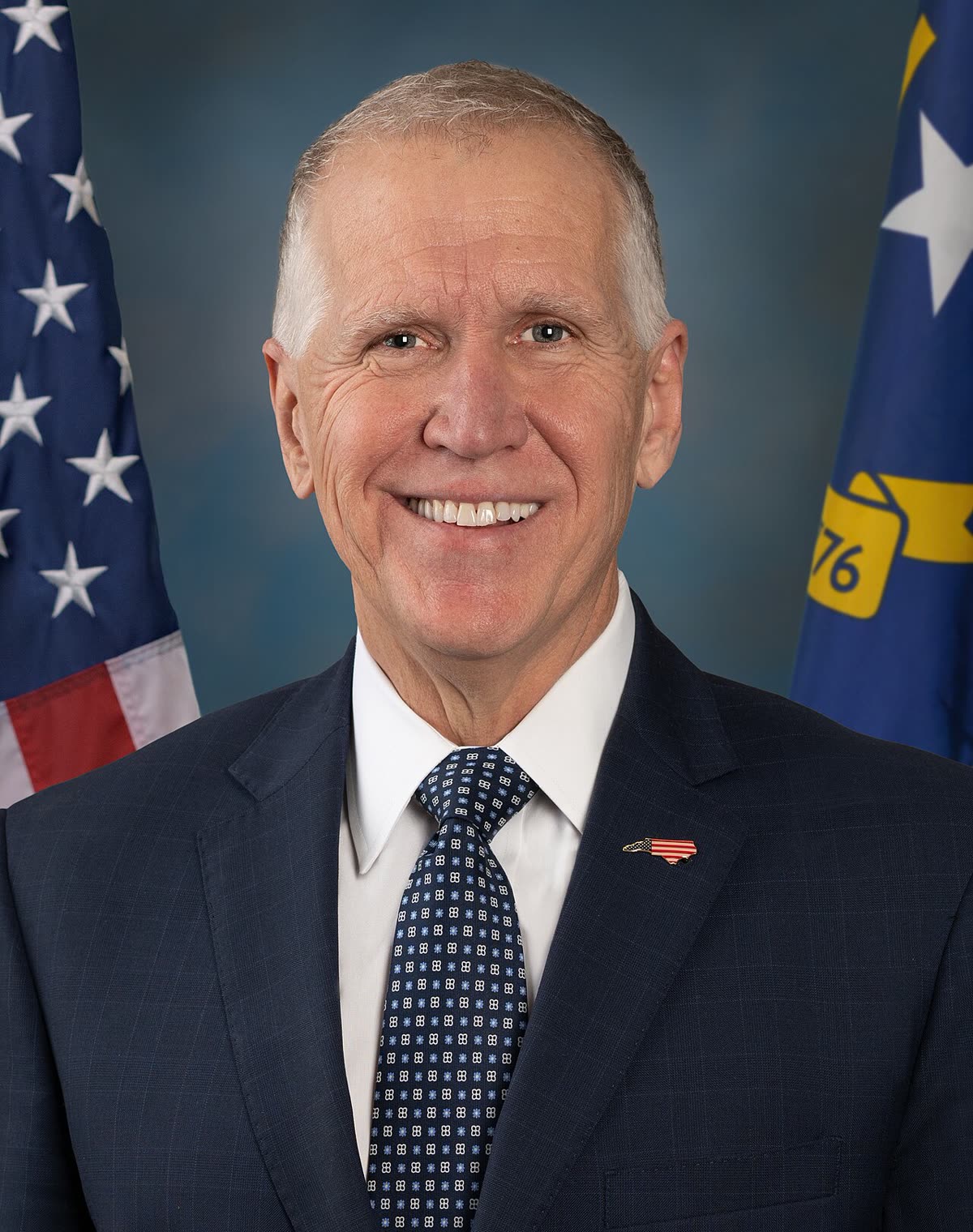
Tillis tells Trump to 'take stock' and 'own' midterm losses, says House is lost
Republican Sen. Thom Tillis of North Carolina says he believes the House is lost and the president should own the outcome. He made the remarks days before Tuesday's midterm election.

Senate likely to let daylight saving bill die as clocks fall back Sunday
The House passed a bill in July to make daylight saving time permanent, but Senate Republicans are blocking it and the bill expires in early January. Clocks turn back at 2 a.m. Sunday, Nov. 1.
Delivered free to your door*
The Morning Edition
One short email at 7 a.m. Eastern: the day's top files, one clip worth your time, and the race to watch. Plain English, large type, no clutter.
*Your inbox. Free. Unsubscribe with one click, any time.