The Justice Department has sued 30 states and the District of Columbia to force them to hand over complete, unredacted voter registration lists. With the Nov. 3 midterms a week away, the administration has lost 27 of those cases, CBS News reports. 1
The department sent letters to most states last year asking for electronic copies of their statewide lists. Those lists include birthdates, addresses, partial Social Security numbers and driver's license numbers. 1 Many states gave over the publicly available version of their rolls but refused the full files. 1
Where the cases stand
Only a few cases are still alive. The Justice Department dropped its Oklahoma suit after the state agreed to turn over its list. Cases in Delaware, Hawaii and Idaho remain pending. 1
A federal judge threw out the first Georgia case because it was filed in the wrong court, and government lawyers refiled it. 1 The department has appealed most of the dismissals. So far one appeals court, the 6th Circuit, has ruled, and it upheld the rejection of the department's bid for Michigan's rolls. 1
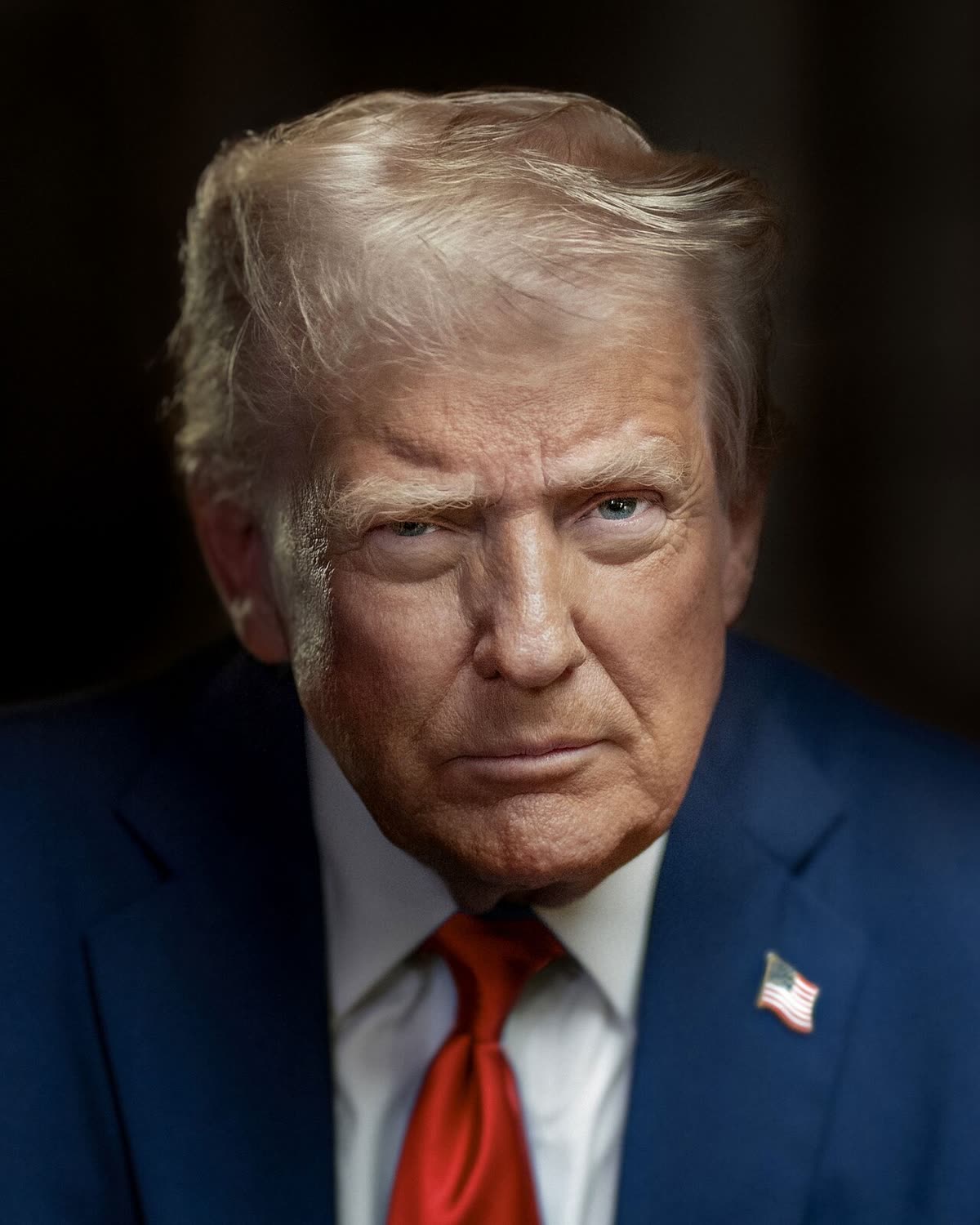
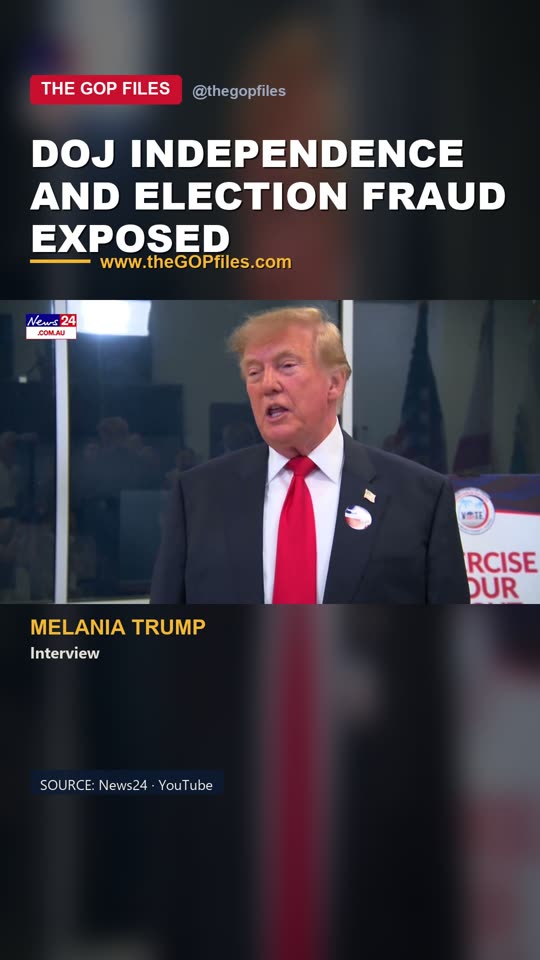 From Channel GOPTrump on the Alaska ballot and the DOJ suitDonald Trump · 204 plays · captioned, with the source named
In one of the earlier rulings, Judge Leo Sorokin dismissed the Massachusetts suit in April. He found the department had not met the requirements of a 1960 civil rights law, because its demand letter gave no factual statement of why it wanted the records. 2
What the data could be used for
The Justice Department says it needs the lists to check that states follow two federal laws, the Help America Vote Act and the National Voter Registration Act. Both require states to keep accurate voter rolls. 1
In a March hearing in Rhode Island, Justice Department attorney Eric Neff described a more specific plan. 2 Critics worry the data could be used to search for possible noncitizens. 2
Our intention is to run this against the DHS SAVE database
Massachusetts Attorney General Andrea Joy Campbell, a Democrat, called the Massachusetts ruling a win for voters. 2
The privacy of our voters is not up for negotiation
Officials in several states, of both parties, have refused the demand. They argue it violates state and federal privacy laws. 2
The wider push
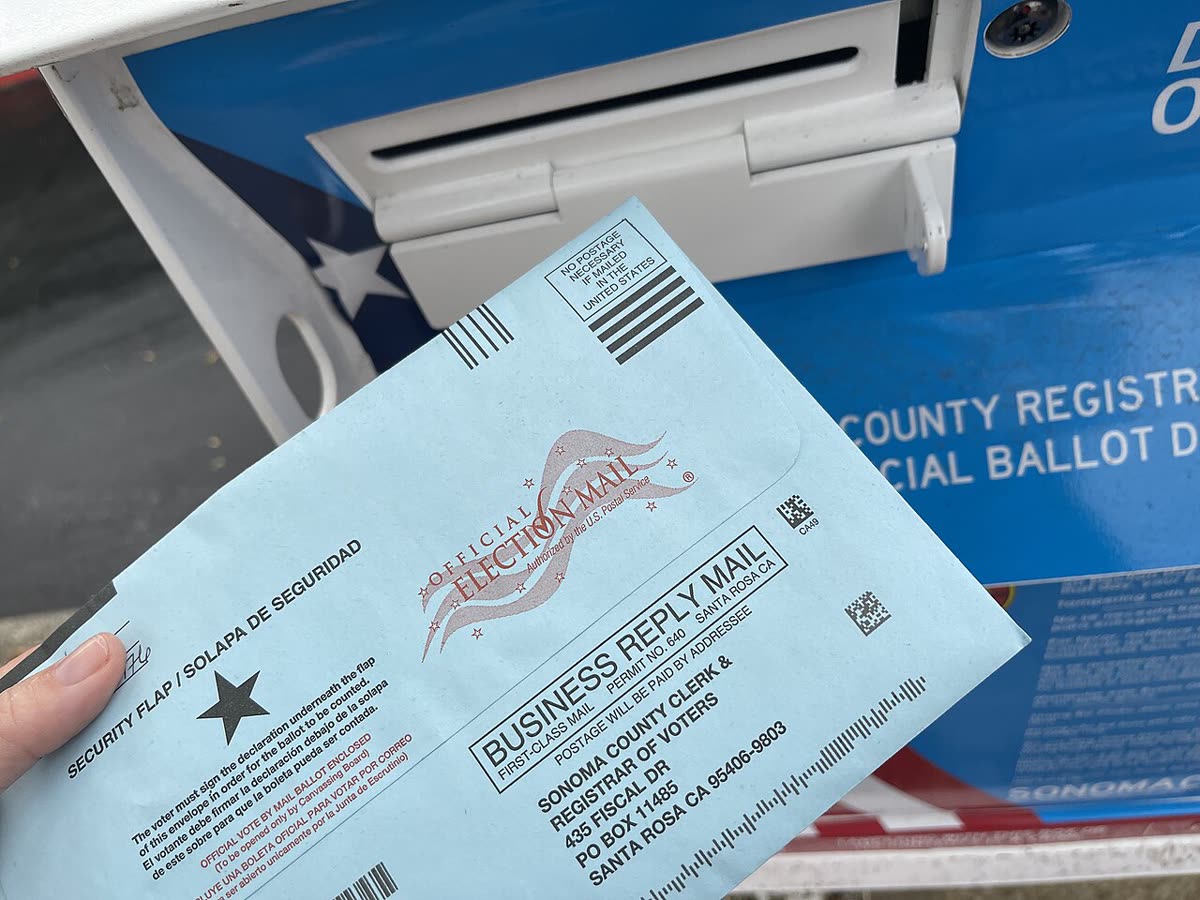
The lawsuits are part of President Trump's broader effort to gain more power over federal elections. Courts have blocked both of his election executive orders. One would require documentary proof of citizenship to register. The other tightens mail-in voting rules and directs the Department of Homeland Security and the Postal Service to compile lists of eligible citizens. 1
Mr. Trump is also pushing Congress to pass the SAVE America Act, which would sharply limit mail-in voting and add voter ID rules. He has claimed mail voting leads to widespread fraud but has not offered evidence. 1 It is a federal crime for noncitizens to vote. 1
What happens next is in the appeals courts, and in the three pending district court cases. The pattern so far is that judges have repeatedly told the department it has not justified taking the full files. That matters because the data is sensitive, and the stated plan involves another federal agency's database. 12
The Record
- A Justice Department attorney told a Rhode Island judge the department intends to run voter data against the DHS SAVE database 2
- Judge Leo Sorokin dismissed the Justice Department's suit for Massachusetts voter rolls 2
- CBS News reports the department has lost 27 of its suits against 30 states and D.C.; Delaware, Hawaii and Idaho are pending 1
Sources
- CBS News, “Where the Trump administration's lawsuits seeking voter data stand” (2026-10-26). cbsnews.com/news/trump-lawsuits-state-voter-rolls-justice-de
- AP via WTOP, “A federal judge dismisses another DOJ lawsuit seeking voter data, this time in Massachusetts” (2026-04-09). wtop.com/national/2026/04/a-federal-judge-dismisses-another-
Found an error? Tell the newsroom. Corrections are noted at the top of the story.