Your Money · Report · File No. 261117-278
Judge lets consumer suit over chipmakers' DRAM output cuts move forward
A federal judge refused to dismiss a class action accusing Samsung, SK Hynix and Micron of colluding to limit memory chip supply. Consumers say that helped push up phone and laptop prices. The companies' conduct is still only alleged.
Every quote in this story (2) was matched word for word against its source. How we work
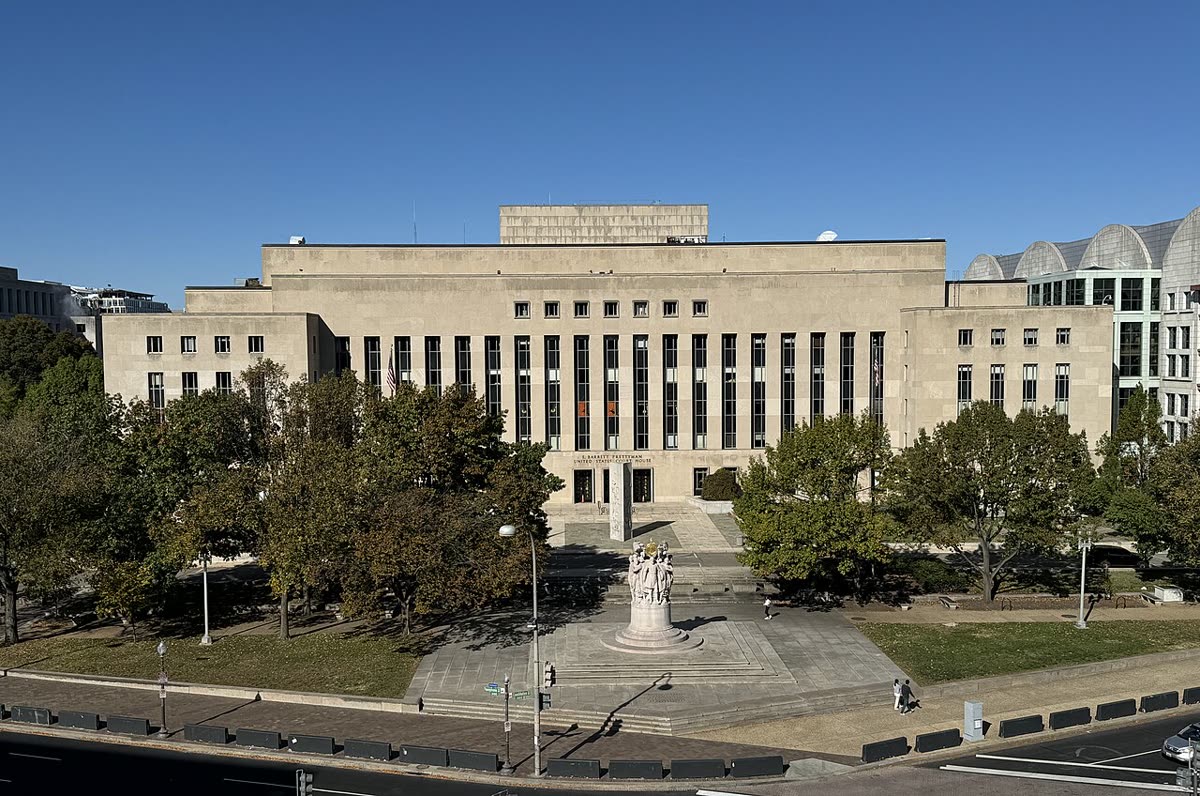
A federal judge in California has refused to throw out a class action accusing the world's three biggest memory chip makers of colluding to cut production. The plaintiffs say that helped drive prices up about 700% in four years 1. The ruling means the case moves forward. It does not decide whether anyone broke the law.
U.S. District Judge Noël Wise, sitting in San Jose, denied a motion to dismiss from Samsung Semiconductor, SK Hynix and Micron Technology. She issued the ruling Friday 1. A group of consumers and small businesses brought the suit over dynamic random access memory, known as DRAM. DRAM chips are found in personal computers and cell phones 1.
What the plaintiffs allege
The plaintiffs say the three companies account for about 91% of global DRAM sales. They say the companies acted in ways that make no economic sense without collusion 1. Their June complaint says SK Hynix, then Micron and eventually Samsung, cut output and investment in conventional DRAM starting in 2022, when demand was weak and prices were falling 1.
The next year, demand for memory took off with artificial intelligence (AI). The plaintiffs say all three firms then moved much of their factory capacity and spending to high bandwidth memory, a specialized, high-profit chip used in AI equipment 1. They say conventional DRAM prices then surged, because the three firms had withdrawn supply 1.
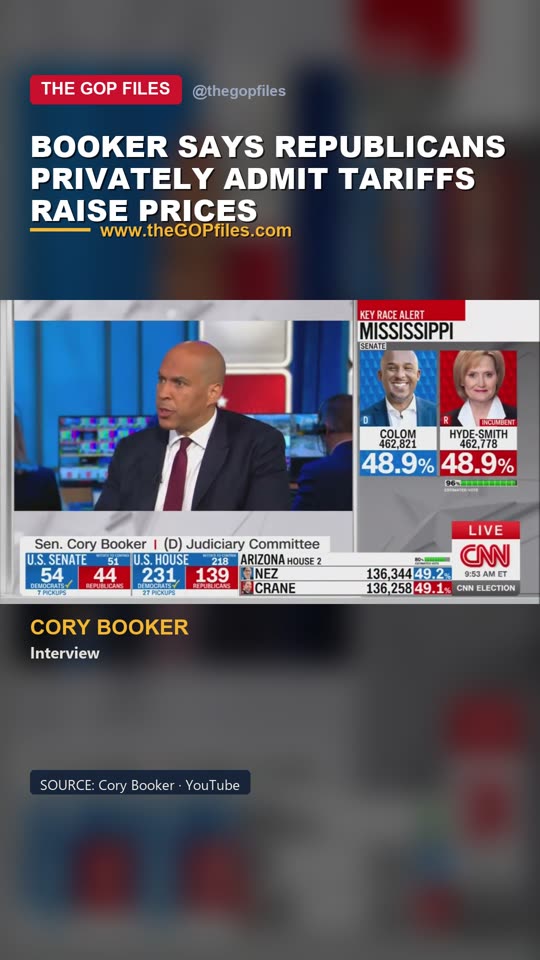 From Channel GOPBooker says Republicans privately admit tariffs raise pricesCory Booker · 2K plays · captioned, with the source named
The complaint adds that new competitors could not step in, because entering the industry takes huge amounts of money. That left consumers and businesses paying more for phones and laptops, the plaintiffs say 1.
The growth of artificial intelligence drove buyers to acquire memory in volumes the industry had not seen — both the HBM that accelerators require and the commodity DRAM that every server, computer, and phone still needs,
What the judge said
Wise found the plaintiffs had made a plausible enough case that the companies' nearly simultaneous moves pointed to collusion. Those moves included cutting conventional DRAM output and not ramping it back up when it became extremely profitable 1. She noted that each decision could still have been made independently 1.

While it is possible that each of defendants’ decisions, even ones made near-simultaneously, was made independently by each defendant, at the motion to dismiss stage, a plaintiff need not allege a fact pattern that tends to exclude the possibility of lawful, independent conduct,
That matters because it sets a fairly low bar at this early stage. The plaintiffs now get to try to prove their claims. The allegations remain unproven.
The companies' past and their response
The plaintiffs also point out that the three companies were part of a criminal enterprise, along with two others, to fix DRAM prices from 1998 to 2002. The Justice Department fined Samsung and Hynix hundreds of millions of dollars. Micron received immunity as the whistleblower 1.
Representatives of the chipmakers and an attorney for the plaintiffs did not immediately respond to requests for comment 1. The companies have publicly said they operate independently. They say they are shifting capacity toward higher-margin memory in response to AI demand, and they point to new factories as evidence they are expanding supply 2.
What happens next
The suit was filed June 25, 2026, in the U.S. District Court for the Northern District of California. It was brought by 17 plaintiffs: 14 individuals and three small PC-building and distribution firms 2. They accuse the companies of violating Section 1 of the Sherman Act, a federal antitrust law, and seek triple damages 2. With the dismissal bid denied, the case moves toward evidence-gathering. The coverage did not report a trial date.
The Record
Republish this story on your site or in your newsletter
Any site, blog or newsletter may run this story free of charge. Keep the credit line and its link to the original, do not sell it, and edit only for length or house style (the full terms). Photos carry their own licenses, noted under each photo on this page, so use the text alone unless a credit says otherwise.
Paste it into your editor's HTML view. The one-pixel image at the end tells our newsroom the story ran; it stores no reader data.
Sources
- Courthouse News, “Chipmakers can’t dodge antitrust suit over simultaneous cuts in DRAM supply” (2026-11-17). courthousenews.com/chipmakers-cant-dodge-antitrust-suit-over
- Tech Times, “Samsung, SK Hynix and Micron hit with US price-fixing class action over memory shortage” (2026-06-30). techtimes.com/articles/319302/20260630/samsung-sk-hynix-and-
Found an error? Tell the newsroom. Corrections are noted at the top of the story.
More from the files

Democrats target Trump's tariffs in 2027, but need 12 GOP senators to beat a veto
After midterm losses in farm and border states, some Republicans say Trump's import taxes cost them. Democrats plan to start by repealing the tariffs on Canada, but Trump has promised to be 'Mr. Veto.'
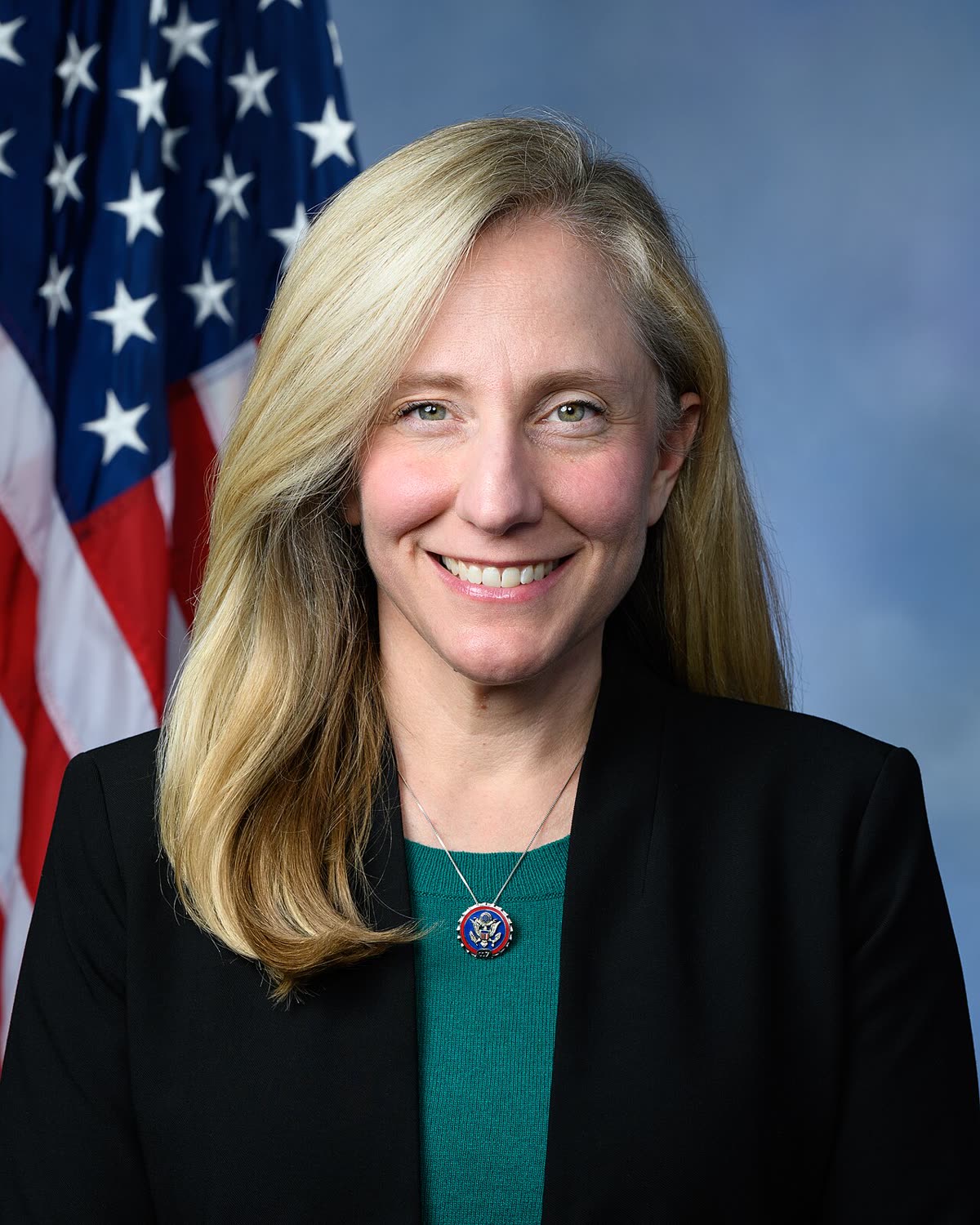
Spanberger seeks local votes on big data centers as Virginia power bills worry voters
Virginia's governor wants local approval for large data centers and a ban on secrecy deals with local officials. The state has more data centers than any other, and residents worry about their electric bills.

Family Dollar to pay $63 million to settle FTC and 17-state pricing charges
The Federal Trade Commission and 17 states say Family Dollar charged more at the register than on the shelf. The deal matters for fixed-income shoppers who count on dollar stores.
Delivered free to your door*
The Morning Edition
One short email at 7 a.m. Eastern: the day's top files, one clip worth your time, and the race to watch. Plain English, large type, no clutter.
*Your inbox. Free. Unsubscribe with one click, any time.