Midterms 2026 · Report · File No. 261105-209
Pollsters call most key midterm races correctly after years of misses
Pre-election surveys foresaw the Democratic sweep in most Senate and governor races, though they understated Democratic margins in several states and got the Texas governor's race wrong.
Every quote in this story (2) was matched word for word against its source. How we work
Political polling experts said the industry had a "great night" after surveys correctly foresaw much of the Democratic wave that swept the midterm elections, The Guardian reported Thursday 1. Polls failed to capture the scale of Democratic victories in only a handful of Senate races, including Texas and New Hampshire 1.
Ashley Koning, director of the Eagleton Center for Public Interest Polling at Rutgers University, said the most credible pre-election polls "correctly saw the direction of every race that's been called so far" 1. She added that "the polls underestimated some Democrats this year" 1.
The final New York Times/Siena Poll, published Sunday, put Democrats ahead in Senate races in Iowa, Kansas, Maine, Michigan, Ohio and Texas, all seats they ultimately won 1. In several of those states, Democrats outperformed their polling numbers, reversing a recent trend in which surveys underestimated support for Republicans, especially under Trump 1.
A separate comparison by Newsweek of RealClearPolling's final averages with Associated Press results found the biggest misses came in races where polls understated Democratic support 2. In Texas, Democrat James Talarico led Republican Ken Paxton by 2.6 points in the final average, 49.1 percent to 46.5 percent, but the AP called the race for Talarico by 12.1 points, 55.1 percent to 43 percent — a 9.5-point polling error 2.
 From Channel GOPChuck Schumer: Democrats have won the SenateChuck Schumer · 157 plays · captioned, with the source named
The clearest wrong-leader miss was the Texas governor's race, where the polling average favored Republican Greg Abbott by 2.3 points, 49.7 percent to 47.4 percent, before Democrat Gina Hinojosa won by 7.1 points, 52.8 percent to 45.7 percent 2. In South Carolina's Senate race, the average gave Republican Darline Graham Nordone a 2.6-point lead before Democrat Annie Andrews prevailed by 4.4 points, 51.1 percent to 46.7 percent 2.
Diana Mutz, director of the Institute for the Study of Citizens and Politics at the University of Pennsylvania, described the pre-election polls as "pretty good" 1. She said one of the biggest challenges for pollsters was knowing who is actually going to turn out to vote 1.
Christopher Wlezien, a professor of government at the University of Texas at Austin, said accuracy varied by the size of individual victories 1. "Some were much closer than others," he said 1.
The polling industry has also grappled with decreasing response rates. In September, the Pew Research Center reported that rates had fallen from 36 percent in 1997 to the low single digits in recent years, and pointed to growing evidence that Republicans had become less likely than Democrats to participate 1.
Sean Freeder, who oversees the Public Opinion Research Lab at the University of North Florida, said he believed this was likely the first time in more than a decade that polls "underestimated the Democratic vote rather than the Republican vote share" 1. He said the result might increase pollsters' willingness to trust and release their findings 1.
Costas Panagopoulos, a distinguished professor of political science at Northeastern University, cautioned before the election that a numerical lead inside the margin of error is not proof a candidate is ahead 2. "A 48-to-44 race that's within the margin of error is not necessarily implying a lead for one of the candidates," he told Newsweek 2.
The pattern is that polls this year mostly got the winners right but often understated how well Democrats did. That matters because polling averages helped determine where parties spent money, which candidates received national attention, and how forecasters assessed control of Congress before Election Day 2.
Newsweek noted that its comparisons remain preliminary while final ballots are counted in several states 2. Senate races in Alaska and Mississippi were still unresolved as of Wednesday morning 2.
The Record
Republish this story on your site or in your newsletter
Any site, blog or newsletter may run this story free of charge. Keep the credit line and its link to the original, do not sell it, and edit only for length or house style (the full terms). Photos carry their own licenses, noted under each photo on this page, so use the text alone unless a credit says otherwise.
Paste it into your editor's HTML view. The one-pixel image at the end tells our newsroom the story ran; it stores no reader data.
Sources
- The Guardian, “Polling experts hail ‘great night’ after correctly calling most key US midterm election races” (2026-11-05). theguardian.com/us-news/2026/nov/05/polls-midterms-results-a
- Newsweek, “Biggest Polling Misses of the 2026 Midterm Elections” (2026-11-04). newsweek.com/biggest-polling-misses-2026-midterm-elections-1
- CBS News, “Why some key races won't be decided on election night” (2026-11-04). cbsnews.com/news/2026-midterm-elections-race-call-timing/
Found an error? Tell the newsroom. Corrections are noted at the top of the story.
More from the files
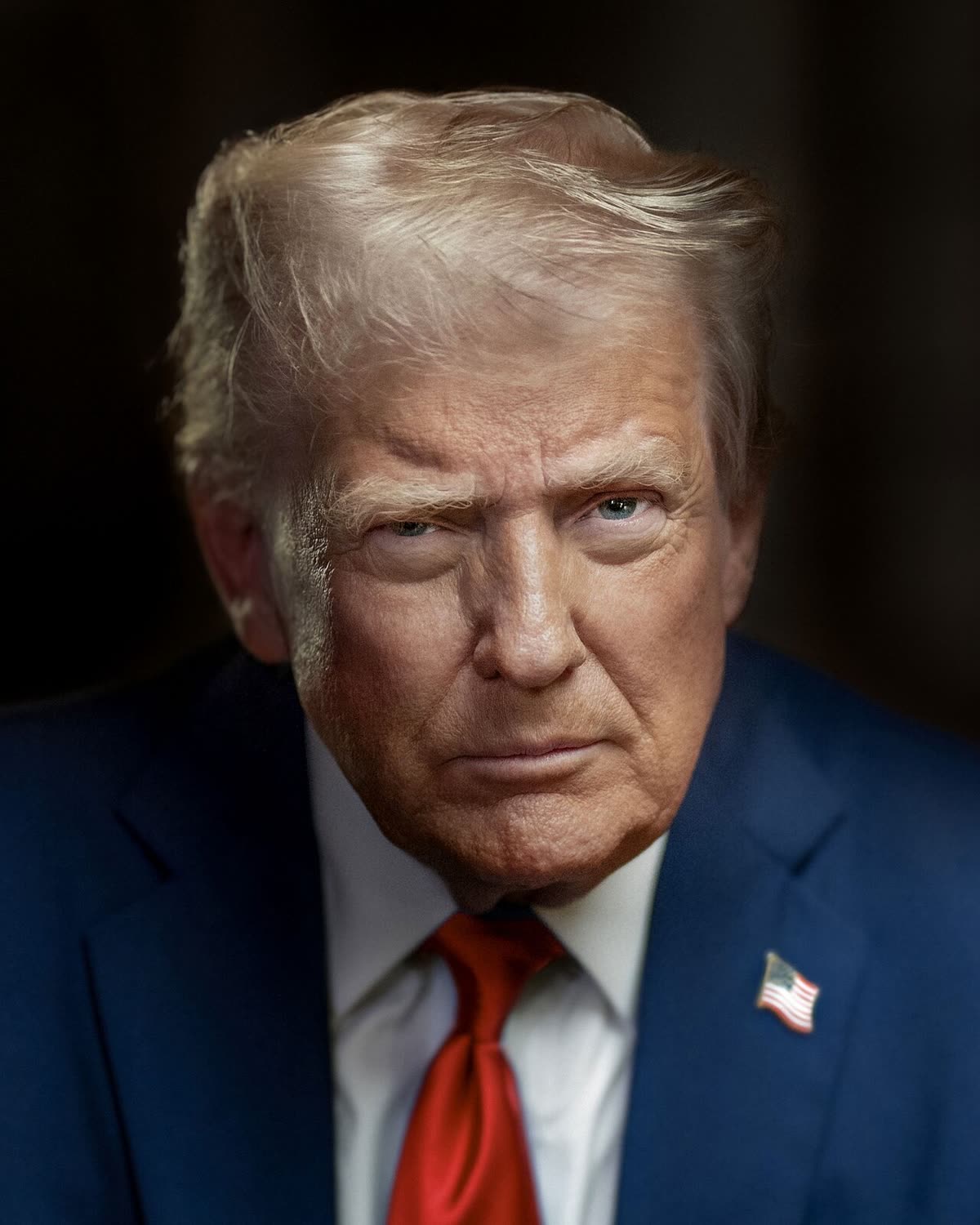
Trump's net approval about 21.7 to 27 points underwater in four trackers before Tuesday
Four national polling averages put President Donald Trump's disapproval near 60 percent in the final days before the midterms, and a state tracker shows him negative in all six swing Senate states. That is the backdrop Republicans carry into Tuesday's vote for control of Congress.
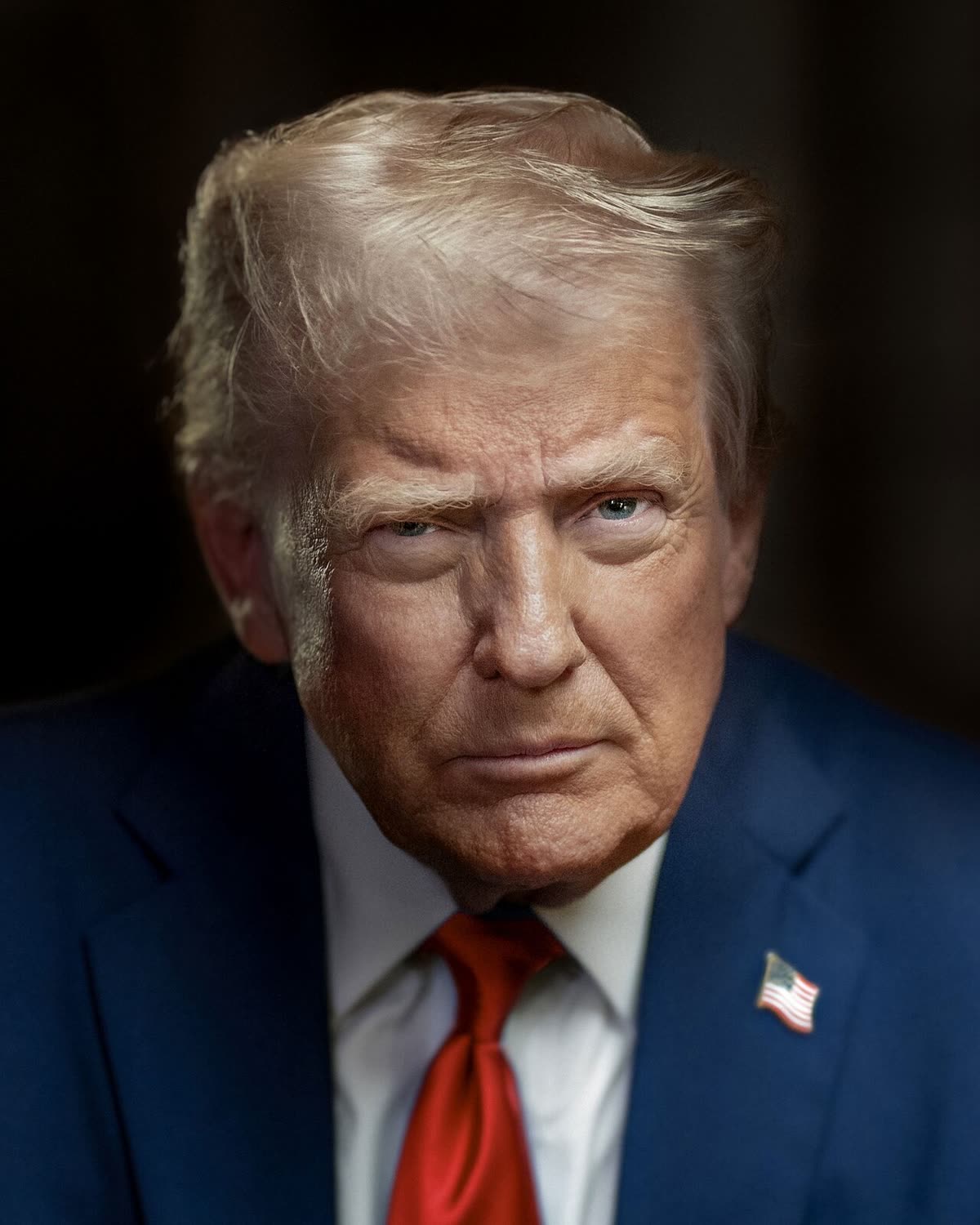
Trump underwater in 39 states on Election Day, new approval map shows
A Civiqs tracker of 140,354 responses finds Trump at 33 percent approval and 60 percent disapproval nationally, with negative net approval in every state compared with January 2025. The map lands as voters decide control of Congress.
Polls open with Democrats needing four Senate seats and a handful of House races to watch
Republicans hold a 218-214 House edge and a 53-45 Senate majority as voting begins. NPR's guide to four kinds of House races and a final AtlasIntel survey of ten Senate contests frame what to watch tonight.
Delivered free to your door*
The Morning Edition
One short email at 7 a.m. Eastern: the day's top files, one clip worth your time, and the race to watch. Plain English, large type, no clutter.
*Your inbox. Free. Unsubscribe with one click, any time.