Climate & Disasters · Report · File No. 261105-264
Voters in 10 states reject data centers, approve dozens of moratoriums
Data centers were on the ballot in at least 40 jurisdictions across 10 states, and voters approved nearly every moratorium. The backlash helped Democrats and now complicates the energy agenda in Washington.
Every quote in this story (2) was matched word for word against its source. How we work

Voters rejected data-center projects and approved moratoriums in dozens of localities across at least 10 states in Tuesday's midterm elections, according to The Guardian 2. The facilities, which house the semiconductor chips that power artificial intelligence, were on the ballot in at least 40 jurisdictions 2.
The results were lopsided. Voters approved nearly every data-center moratorium that was on the ballot, dozens in total, with one notable exception: Hardwood, North Dakota, a city of less than 1,000 people, voted down restrictions 2. In Ohio alone, at least 14 municipalities passed bans or restrictions, including Sunbury, where Amazon has proposed a $2 million data-center project 2. In Maine, eight municipalities passed temporary moratoriums, and in Emporio, Kansas, voters approved a ban on high-impact data centers where a 1,000-acre project had been proposed 2.
The issue also shaped races where it was not on the ballot. In Texas, Governor-elect Gina Hinojosa, a Democrat, has promised to impose moratoriums on data-center construction and to require more community input 2. Keisha Lance Bottoms, the governor-elect of Georgia, and Amy Acton, the newly elected governor of Ohio, have also pledged moratoriums on large data centers 2.
What voters said
In an NBC News exit poll, 23 percent of voters said data centers were "crucial" in their congressional vote, while another 33 percent said they were a "major" factor 1.
 From Channel GOPGina Hinojosa projected winner in Texas governor's raceGina Hinojosa · 156 plays · captioned, with the source named
Brendan Steinhauser, who ran Senator John Cornyn's 2014 campaign and is now chief executive of the Alliance for Secure AI, said the facilities tap into economic anxiety.
Data centers represent a fear and an angst that voters have about being replaced by AI, losing their jobs, losing their livelihoods [and] the rising price of energy in their local area
Lori Lodes, president of the climate advocacy group Climate Power, told reporters the issue was central to the cost-of-living debate.
This is an issue that really defined affordability for folks, and governors, senators, House-elect members all saw it as a huge opportunity
What happens next
Analyst Dan Ives said the results signal that the pace of data-center construction will slow. "There is no way to sugarcoat that Democrats taking control especially over the Senate will create some major hurdles for AI and tech legislation in the Beltway over the next two years," he said 2. Ives said he was particularly worried about Hinojosa, whom he called a "known anti-datacenter politician," and about Texas, where he said 25 to 30 percent of data-center capacity will come from 2.
Elon Musk, who poured over $400 million into supporting conservative candidates, posted on X: "Data centers in space looking pretty appealing right now" 2.
That matters because the moratoriums are local decisions that can delay or block projects the tech industry and its supporters in Washington had counted on. For readers, the votes are a reminder that land-use questions are settled at city halls and county boards as much as in Congress.
The Record
- Data centers were on the ballot in at least 40 jurisdictions across 10 states 2.
- Voters approved nearly every data-center moratorium on the ballot, with Hardwood, North Dakota, the notable exception 2.
- An NBC News exit poll found 23 percent of voters said data centers were "crucial" in their congressional vote and 33 percent said they were a "major" factor 1.
Republish this story on your site or in your newsletter
Any site, blog or newsletter may run this story free of charge. Keep the credit line and its link to the original, do not sell it, and edit only for length or house style (the full terms). Photos carry their own licenses, noted under each photo on this page, so use the text alone unless a credit says otherwise.
Paste it into your editor's HTML view. The one-pixel image at the end tells our newsroom the story ran; it stores no reader data.
Sources
- The Hill, “Blue wave crashes into data centers” (2026-11-04). thehill.com/newsletters/energy-environment/6199755-blue-wave
- The Guardian, “Datacenters were on the ballot. US voters rejected them” (2026-11-05). theguardian.com/us-news/2026/nov/04/datacenters-midterm-elec
- CBS News, “The 2026 blue wave, in charts” (2026-11-05). cbsnews.com/news/2026-elections-blue-wave-charts-data/
Found an error? Tell the newsroom. Corrections are noted at the top of the story.
More from the files
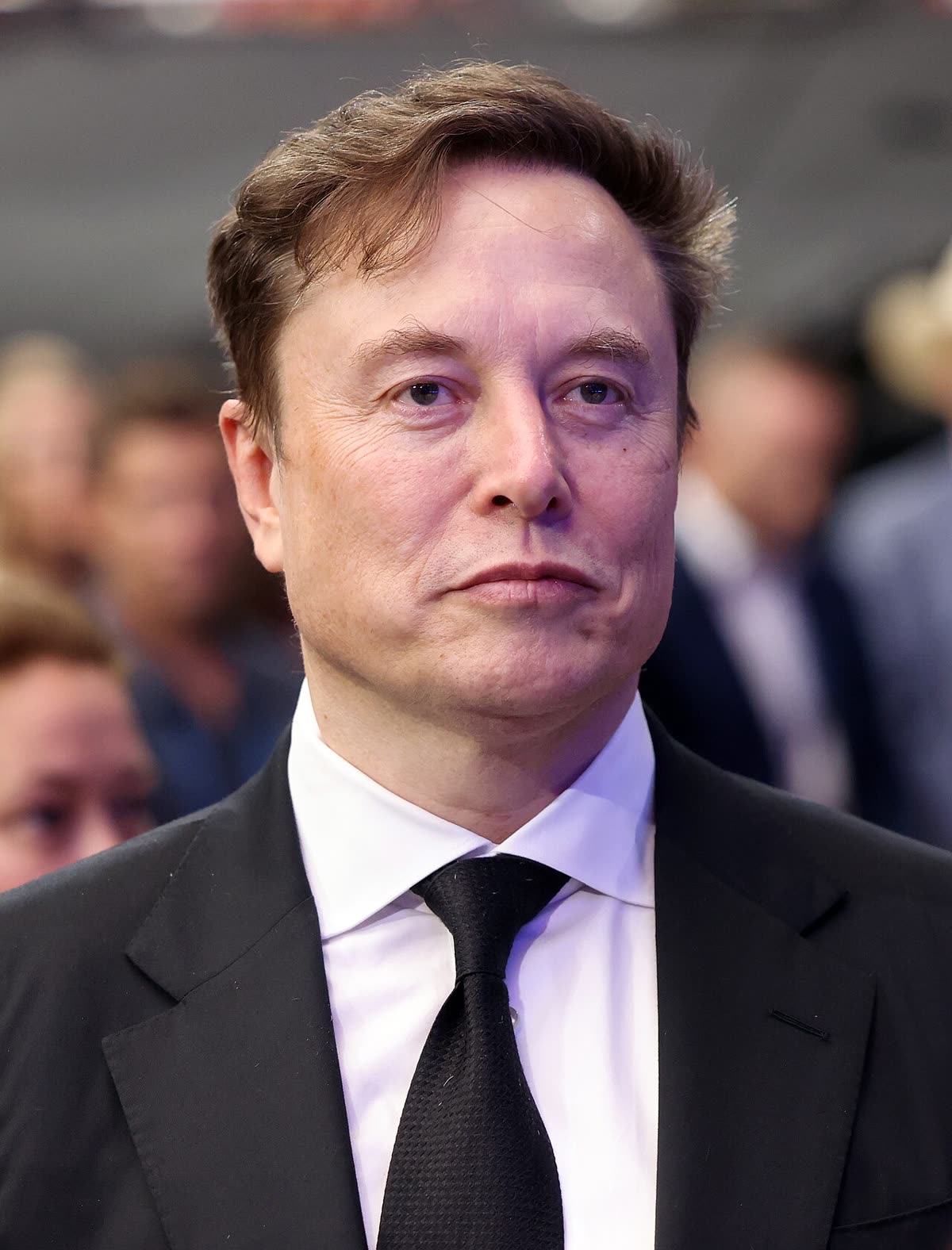
Musk spent a record $446 million on the midterms and lost nearly every race
Elon Musk put at least $446 million into Republican campaigns this year, a single-cycle record, and Democrats won every Senate race where his main super PAC spent the most. The Texas contest he targeted most heavily went to Democrat James Talarico.
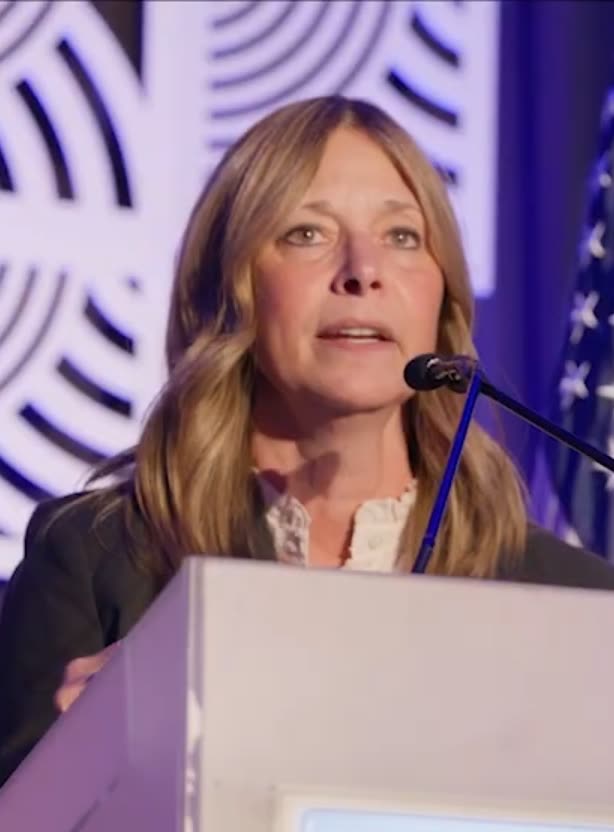
Democrats set to control majority of governorships for first time in 16 years
Unofficial results show Democrats flipped governorships in Iowa, Ohio, Georgia and Texas and defended Maine and Wisconsin, ending a Republican advantage that began in 2010. The gains could reshape state policy for years to come.

Power bills are on Tuesday's ballot as nine states elect utility regulators
Voters in nine states will choose officials who help decide what households pay for electricity. Democrats could win control of Georgia's board, while Arizona's 14% rate request may be decided before any winner is sworn in.
Delivered free to your door*
The Morning Edition
One short email at 7 a.m. Eastern: the day's top files, one clip worth your time, and the race to watch. Plain English, large type, no clutter.
*Your inbox. Free. Unsubscribe with one click, any time.