Senate Democrats introduced a bill Friday, Oct. 23, to set federal minimum standards for unemployment benefits and cover more kinds of workers. Sen. Ron Wyden of Oregon, the top Democrat on the Senate Finance Committee, unveiled the Stability and Opportunity for Workers Act. Supporters present it as a safeguard against job losses tied to artificial intelligence, or AI 1.
Unemployment insurance is run mostly by states, so benefit amounts and duration vary widely depending on where a person lives 1. The bill would create national minimum standards and widen who qualifies for regular benefits 1.
In a downturn, benefits could last 52 weeks once the unemployment rate reaches 8.5 percent. The current standard is up to 26 weeks 12.
What else is in the bill
The bill would create a "jobseeker's allowance" for people outside traditional unemployment insurance, including gig workers 1. A new Transition Wages program would help people whose jobs are displaced by technological change while they learn new skills. They could get up to 26 additional weeks of support 1.
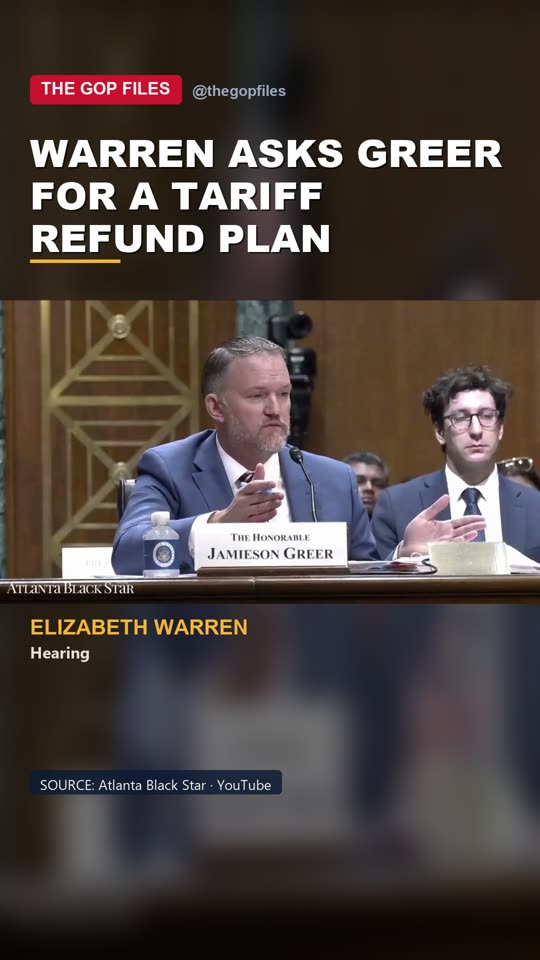 From Channel GOPWarren asks Greer for a tariff refund planElizabeth Warren · 180 plays · captioned, with the source named
Roll Call, as cited by Newsweek, reports the bill would also create income support lasting up to two years during retraining. It would start a pilot program for tuition help for workers in job-training programs 1. Wyden's office says the retraining provisions aim to move displaced workers into higher-paying jobs 2.
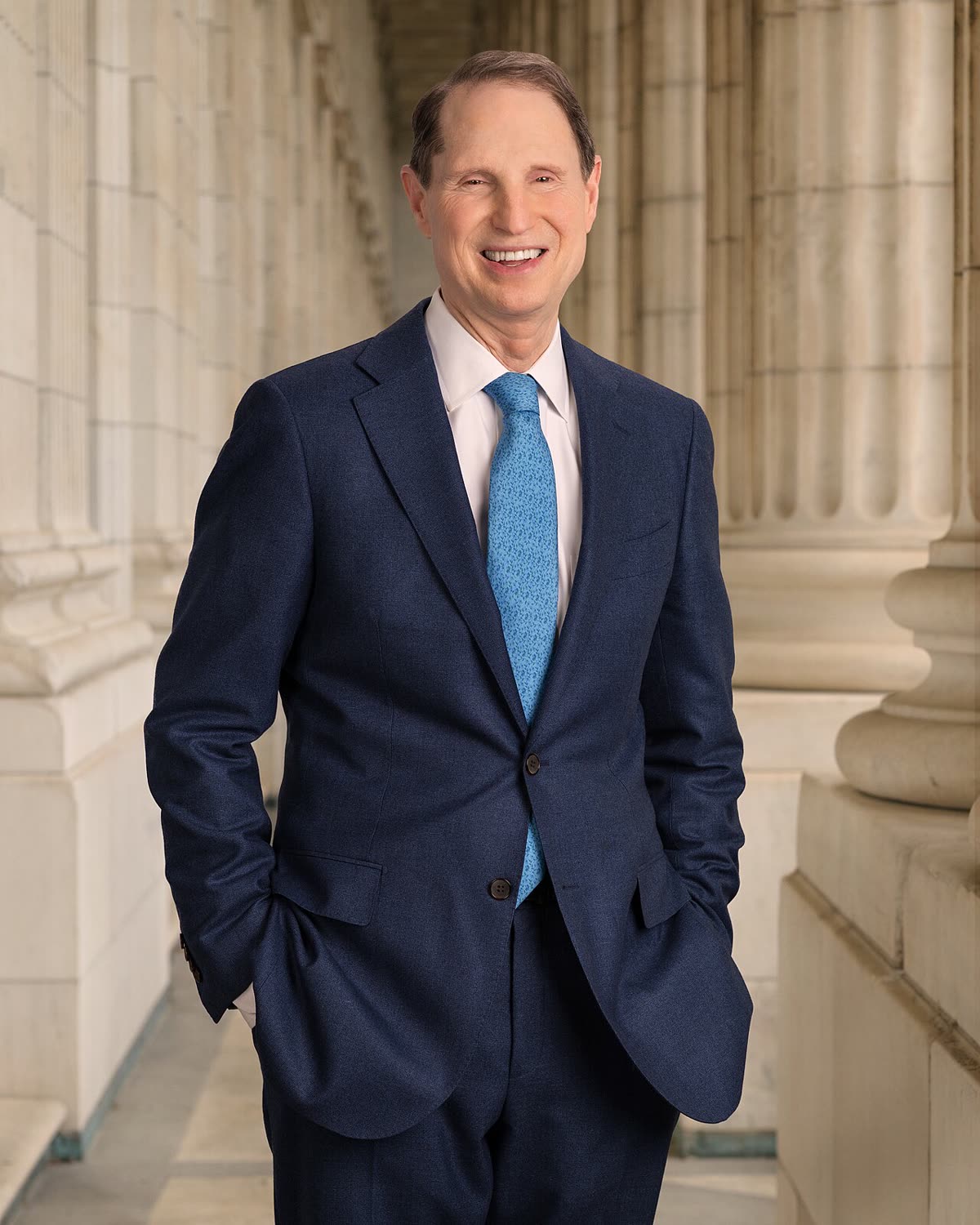
Americans feel the looming fear of AI job losses, and Congress has a responsibility to help the country prepare
Wyden said the bill is not a complete answer to the problem 1.
These are not the only policy changes that are needed to protect American workers from economic disruption
The evidence so far
Widespread AI-driven unemployment has not yet appeared. AI-related job cuts have mostly been in the technology industry 12. Worker worry is high, though. Nearly 80 percent of Americans in an October Associated Press-NORC poll said protecting workers in the age of AI was extremely or very important 12.
Wyden has also proposed a separate tax package aimed at data centers. It would add an excise tax on data center operators and end certain federal tax breaks for them, to help pay for worker assistance 1.
What happens next
The proposals are draft legislation. Democrats lack a Senate majority, so Newsweek says the bill may face long odds in the Republican-controlled Finance Committee without bipartisan backing 1. Co-sponsors are Senate Minority Leader Chuck Schumer of New York and Sens. Michael Bennet of Colorado and Elizabeth Warren of Massachusetts 1.
CBS News reported no Republican response to Wyden's bill. It noted that Sen. Josh Hawley, a Missouri Republican, has co-sponsored a different AI jobs bill with Democratic Sen. Mark Warner of Virginia 2.
That matters because the current system leaves many workers with short, uneven protection. A person in their 50s or 60s who loses a job can struggle to find a comparable one. Whether Congress acts before the next downturn is an open question.
The Record
Sources
- Newsweek, “Unemployment Benefits Would Get Boost Under New Bill Linked to AI Fears” (2026-10-26). newsweek.com/unemployment-benefits-would-get-boost-under-new
- CBS News, “As AI layoff fears mount, lawmakers weigh a bigger safety net for workers” (2026-10-23). cbsnews.com/news/ai-layoffs-congress-bills-unemployment-bene
Found an error? Tell the newsroom. Corrections are noted at the top of the story.