Health Care · Report · File No. 261030-395
Pew poll: 60% of Americans uneasy with their own doctor using AI to diagnose
A new Pew Research Center survey finds most Americans accept AI for paperwork but want a human to make medical and insurance decisions. Adults 65 and older are the most hopeful age group about AI's effect on patient health.
Every quote in this story (1) was matched word for word against its source. How we work
Most Americans are willing to let artificial intelligence (AI) handle health care paperwork. They are much less willing to let it make the call on a diagnosis or an insurance claim. That is the finding of a new Pew Research Center survey of 3,488 U.S. adults, published Friday 1.
Pew says 60% of adults would be uncomfortable if their own doctor relied on AI for tasks like diagnosis and treatment. Only 30% would be comfortable, and 10% were not sure 2. The survey was conducted June 22-28, 2026 2.
Paperwork yes, final say no
About eight in 10 adults are open to AI translating for a patient. Of those, 26% accept AI working alone and 52% want a human to review the translation 1. Similar majorities support AI scheduling appointments and ordering prescription refills 1.
Support drops as the stakes rise. Pew found 41% want AI to play no role in making a diagnosis 1. Another 46% reject any AI role in deciding insurance claims 12.
 From Channel GOPCrockett puts immigration claims to rhetoric-or-reality testRep. Jasmine Crockett · 1 plays · captioned, with the source named
Only 5% would accept AI deciding claims alone, and 38% would accept it with a human giving the final review 2. On medical scans, 60% are open to AI analysis if a person reviews it. Just 6% accept AI doing it alone 2.
a majority of Americans (60%) are uncomfortable with AI in their own healthcare for tasks like diagnoses and treatment.
What older adults think
Adults 65 and older are the most positive group about AI's effect on patient health. Among them, 42% expect better outcomes, up 8 points since 2022. Another 26% expect worse outcomes, and 30% see little difference 2.
Younger adults have gone the other way. Among those under 30, 45% now expect worse outcomes, up from 29% four years ago 1. Overall, the public is nearly split: 37% expect AI to improve patient health and 36% expect it to make health worse 1.
Privacy and trust
About half of adults say AI will make the patient-doctor relationship worse. Also, 51% say it will weaken the security of personal health information, and only 8% think privacy will improve 1.
Trust is thin outside the exam room. Majorities have little or no confidence that health insurers, the federal government, AI companies or state governments will make sure AI is used in patients' best interest 1. Doctors fare better. Twenty-six percent have a great deal or quite a bit of confidence in them, and 34% more have some 1.
Lower-income adults and women are more wary of AI. Asian Americans, higher earners and people with more education are more open to it 1.
Why it matters
That matters because insurers decide whether many treatments get paid for, and the poll shows little public appetite for a machine making those decisions without a person. The survey does not say what Congress or regulators should do. It does show where the public stands as AI spreads through care.
This survey is a snapshot of opinion, not a measure of how often AI is used in any particular clinic or insurer. The Pew results do show that patients want a human in charge when the stakes are high.
The Record
Sources
- Courthouse News, “AI can make appointment but doctor should make decision, Americans say in poll” (2026-10-30). courthousenews.com/ai-can-make-appointment-but-doctor-should
- Pew Research Center, “Americans are open to AI in healthcare but want humans making final calls” (2026-10-29). pewresearch.org/science/2026/10/29/americans-are-open-to-ai-
Found an error? Tell the newsroom. Corrections are noted at the top of the story.
More from the files

Study projects new dementia cases will more than double by 2050 as Medicaid is cut
A JAMA Neurology study projects 24.7 million new dementia cases worldwide a year by 2050, up from 11.4 million in 2023. Experts say the U.S. care system is short of workers and faces Medicaid cuts.

Trump announces $275 million Nurses for Nursing Homes plan, paid from facility fines
The program offers up to $40,000 in loan repayment to nurses who commit to three years at a nursing home. Trump announced it at a Florida rally 11 days before the midterms. The money comes from fines on nursing homes, not new appropriations.
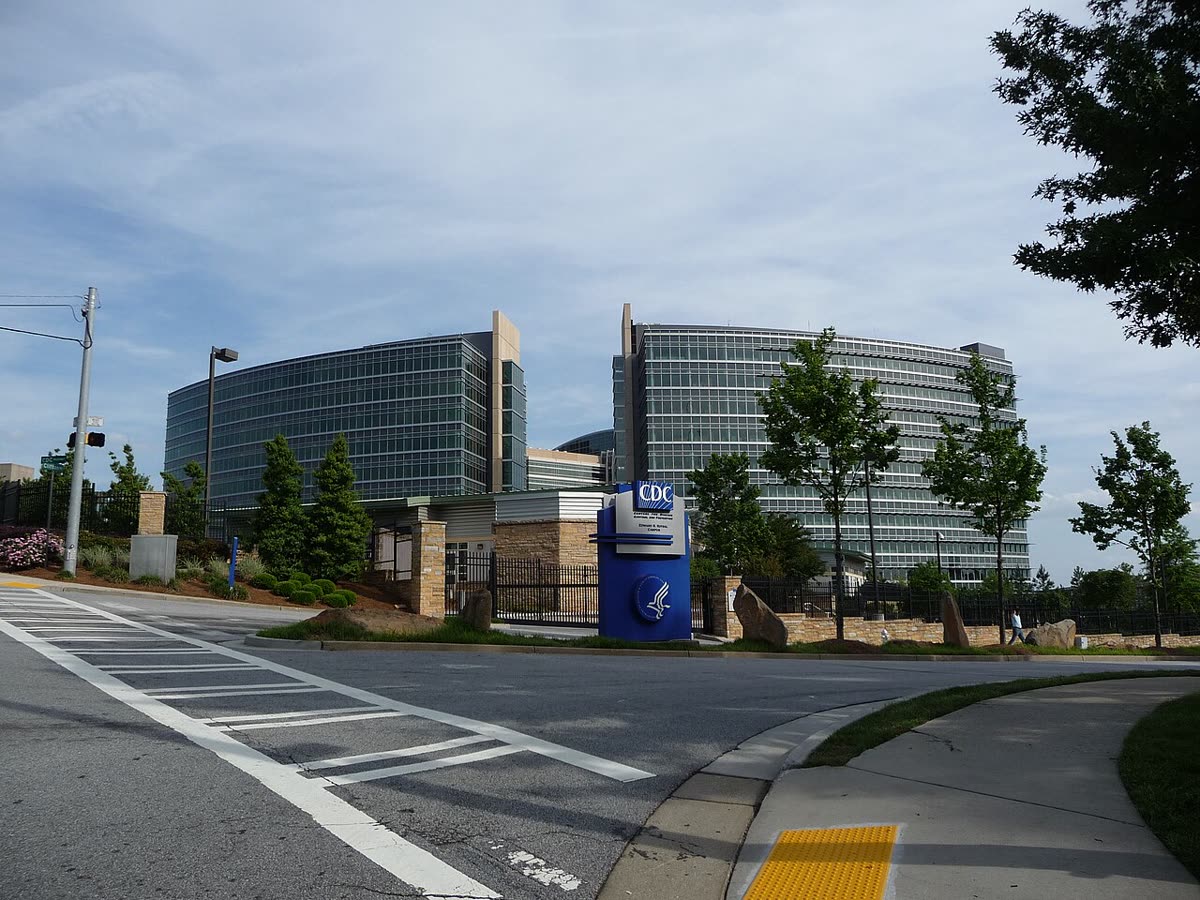
CDC reports highest early-season flu hospitalization rate since 2010-11
The CDC says early flu activity is higher than usual, and one expert urges people to get vaccinated right away. Older adults are at higher risk of severe illness, so timing matters.
Delivered free to your door*
The Morning Edition
One short email at 7 a.m. Eastern: the day's top files, one clip worth your time, and the race to watch. Plain English, large type, no clutter.
*Your inbox. Free. Unsubscribe with one click, any time.