Your Money · Report · File No. 261102-130
Two economists clash over California's Prop 40 billionaire tax: $100 billion gain or $39 billion loss
Californians vote Tuesday on a one-time 5% tax on billionaires' wealth. Two economists disagree sharply on whether it would raise a fortune or cost the state money, and the answer could shape tax fights nationwide.
Every quote in this story (2) was matched word for word against its source. How we work

California voters decide Tuesday on Proposition 40, which would create what NPR calls America's first wealth tax aimed at billionaires. Two economists who studied it have reached very different answers about what it would do for the state's budget 1.
The measure is a one-time, 5% tax on the net worth of billionaires, with some assets exempted. It would apply to anyone who was a California resident on Jan. 1, 2026, and the money would go mostly to health care for low-income Californians, to help offset federal Medicaid cuts. Medicaid is the government health program for people with low incomes 1.
The case for: about $100 billion
NPR reports that an analysis by Gabriel Zucman, a UC Berkeley economist, with Jasper Boll and Emmanuel Saez puts California billionaires' wealth at $2.3 trillion by mid-2026 and estimates the tax could raise "about $100 billion" 1.
They reached that number by taking 5% of $2.3 trillion, then cutting the total by 10% for avoidance, evasion and billionaires who left before the cutoff 1. Zucman argues the one-time design removes the reason to move. As he told the San Francisco Standard, a billionaire cannot avoid the tax by moving 2.
 From Channel GOPOssoff: Medicaid cuts mean an hour's drive in laborSenator Jon Ossoff · 1.3K plays · captioned, with the source named
There is no incentive to move to another state. One cannot avoid the tax by moving.
The case against: a $39 billion loss
Joshua Rauh, a Stanford economist and Hoover Institution senior fellow, wrote a competing analysis with Benjamin Jaros. They say billionaires would leave and take their income tax payments with them 1. Rauh's estimate is that the measure would cost the state $39 billion 1.
Their paper estimates the tax would raise about $30 billion up front, within a range of $28 billion to $36 billion. They say lost state income tax revenue from departing billionaires would more than offset that, for an average net loss of about $39 billion in today's dollars 2.
We calculate that Proposition 40 would cost the state of California $39 billion.
Rauh says at least seven well-known billionaires had already left California before the Jan. 1 cutoff, cutting potential revenue by "around $30 billion" 1. Zucman disputes that. He says legal experts he trusts think it is unlikely any of them successfully ended California tax residency in time 1.
What happens next
Voters settle the question Tuesday, Nov. 3 2. The California Legislative Analyst's Office, the Legislature's nonpartisan budget adviser, says the measure would bring in "tens of billions" of dollars but gives no net figure 2.
Wealthy opponents are spending heavily. NPR, citing The New York Times, reports the superrich have put $333 million into a group trying to defeat the measure 1.
That matters beyond California. Zucman says a yes vote could start a national movement toward a federal wealth tax 1. The two sides disagree less about arithmetic than about assumptions: how many billionaires have really left, and whether a one-time tax can be scored on its own or must be weighed against lasting income tax losses 12.
Both estimates are projections. Neither has been tested, and Rauh's analysis also considers the chance that courts strike down parts of the tax 2.
The Record
Republish this story on your site or in your newsletter
Any site, blog or newsletter may run this story free of charge. Keep the credit line and its link to the original, do not sell it, and edit only for length or house style (the full terms). Photos carry their own licenses, noted under each photo on this page, so use the text alone unless a credit says otherwise.
Paste it into your editor's HTML view. The one-pixel image at the end tells our newsroom the story ran; it stores no reader data.
Sources
- NPR, “Two economists studied California's billionaire tax. They reached wildly different conclusions” (2026-11-02). npr.org/sections/planet-money/2026/11/02/g-s1-151009/two-eco
- The San Francisco Standard, “Hoover economist Ben Jaros Prop 40 billionaire tax study” (2026-10-26). sfstandard.com/2026/10/26/hoover-economist-ben-jaros-prop-40
Found an error? Tell the newsroom. Corrections are noted at the top of the story.
More from the files
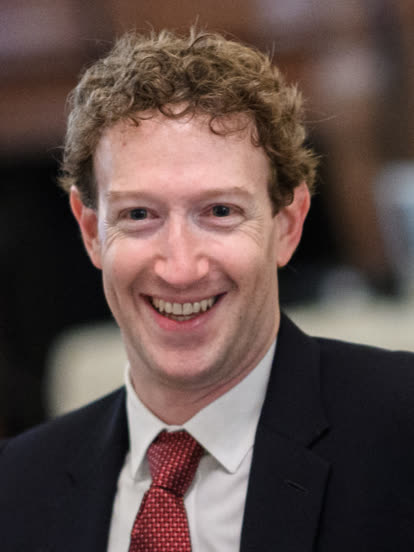
Meta investors sue Zuckerberg over new share class tied to California billionaire tax
Stockholders say Mark Zuckerberg pushed through non-voting shares to keep control of Meta while selling stock to cover a possible 5% California wealth tax. California voters decide the measure, Proposition 40, on Nov. 3.
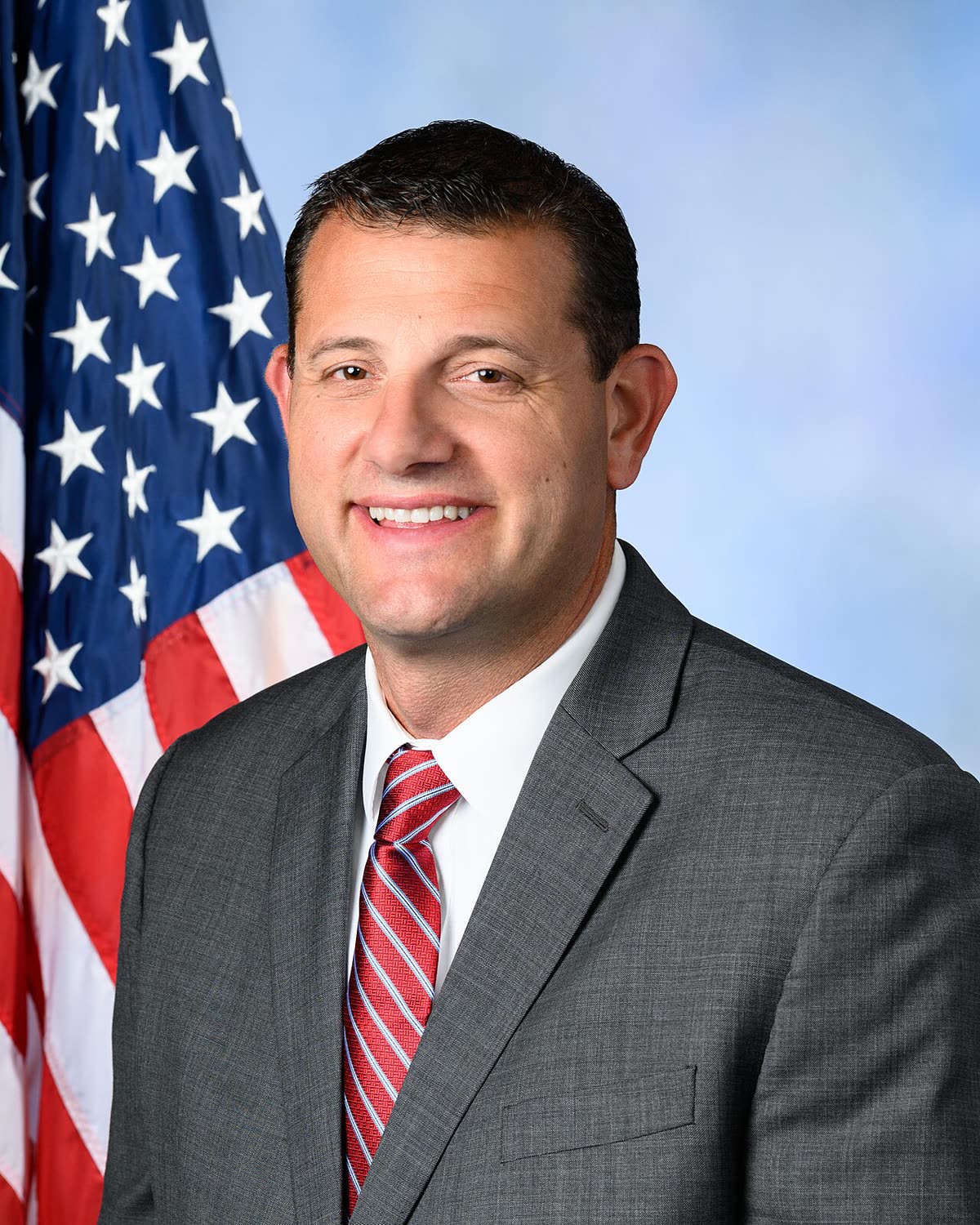
Valadao backed Medicaid work rules; his California district may be exempt from them
Rep. David Valadao voted for the Medicaid work requirement, but every county in his Central Valley district could qualify for a high-unemployment exemption. KFF Health News found at least 21 Republicans seeking reelection in the same position.
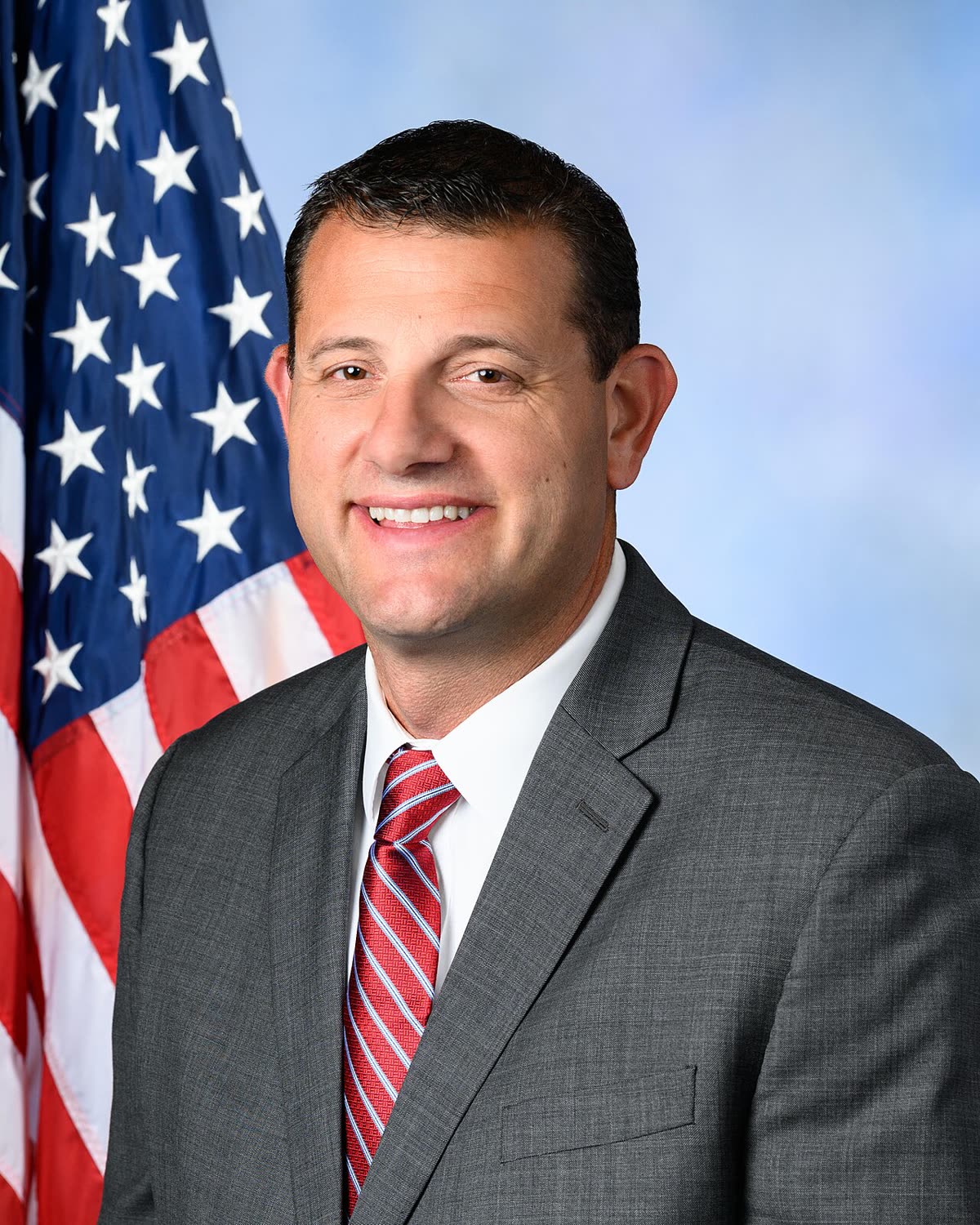
Valadao defends Medicaid vote in California swing-district race: 'no actual cuts'
Republican Rep. David Valadao says his vote for the GOP tax and spending law cut no Medicaid benefits. Democrat Randy Villegas says it will take coverage from Valley families in a district that could help decide House control.
Delivered free to your door*
The Morning Edition
One short email at 7 a.m. Eastern: the day's top files, one clip worth your time, and the race to watch. Plain English, large type, no clutter.
*Your inbox. Free. Unsubscribe with one click, any time.