The White House · Report · File No. 261108-452
US AI safety center has no permanent leader, stops publishing, reports to White House
The small Commerce Department office that tests new AI products has gone without a permanent director since summer and has stopped releasing its research. Its staff were recently asked to report informally to a White House office, which critics say could threaten its independence.
Every quote in this story (2) was matched word for word against its source. How we work
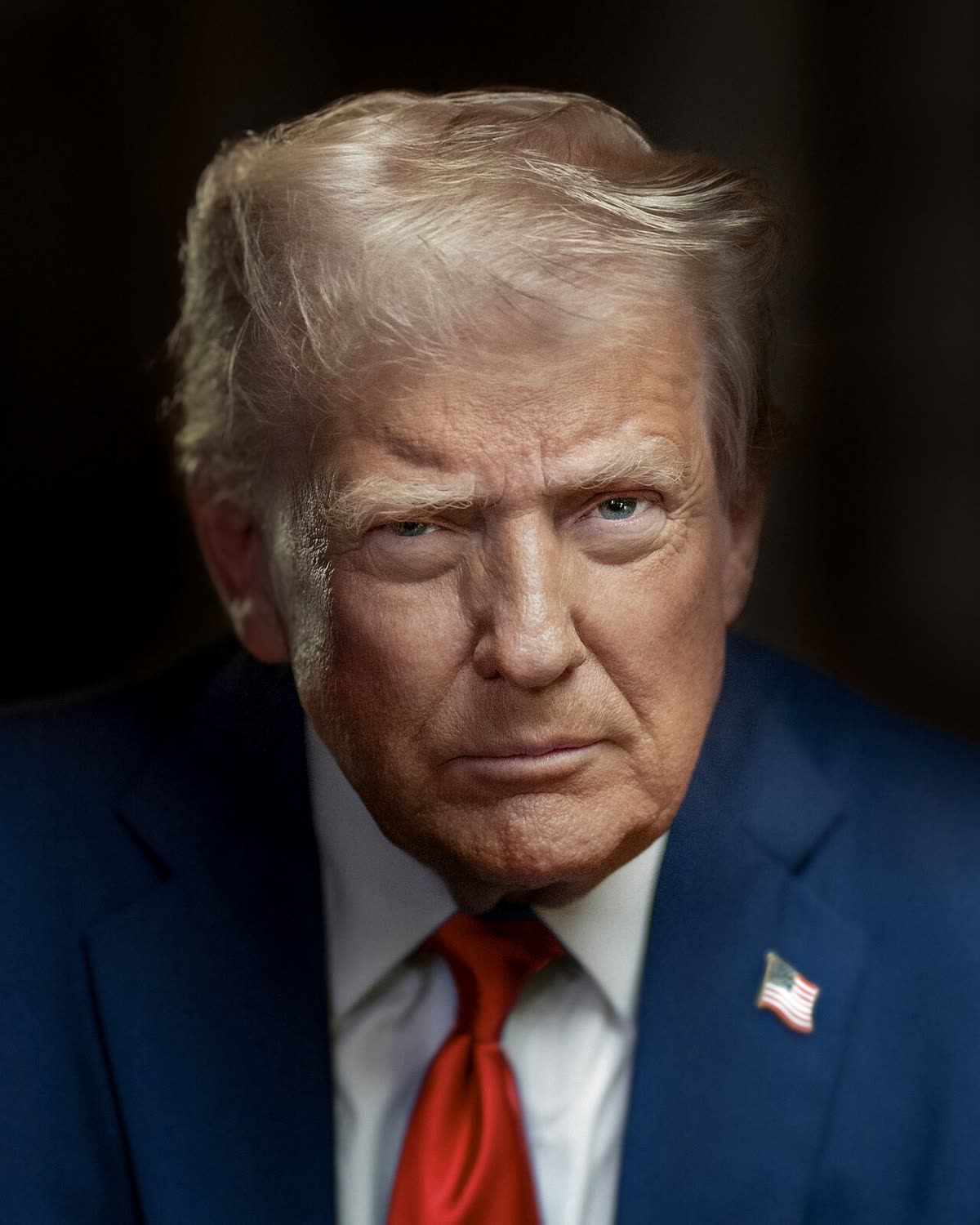
The small federal office in charge of judging the safety of new artificial intelligence products has no permanent leader and has stopped publishing its research, The Associated Press reported Sunday 1. Its staff were also recently asked to report informally to an office inside the White House 1.
The office is the Center for Advancing Innovation and Standards for Super Intelligence, known as CAISSI. It is part of the Commerce Department and until recently was called the U.S. Center for AI Standards and Innovation 1. The AP cited two former government officials who know about the talks. They spoke on condition of anonymity to protect current staff from retaliation 1.
A year of turnover
The center's budget is $10 million a year. That is about one-eighth of what its counterpart in the United Kingdom gets 1. In April, its director was hired and then fired within days 1.
A separate report said the White House reportedly pushed out that director, Collin Burns, four days after he started 2. His replacement, Chris Fall, resigned in July after about three months, Commerce Department spokesperson Benno Kass confirmed 2. The head of the center's parent institute now doubles as acting director 1.
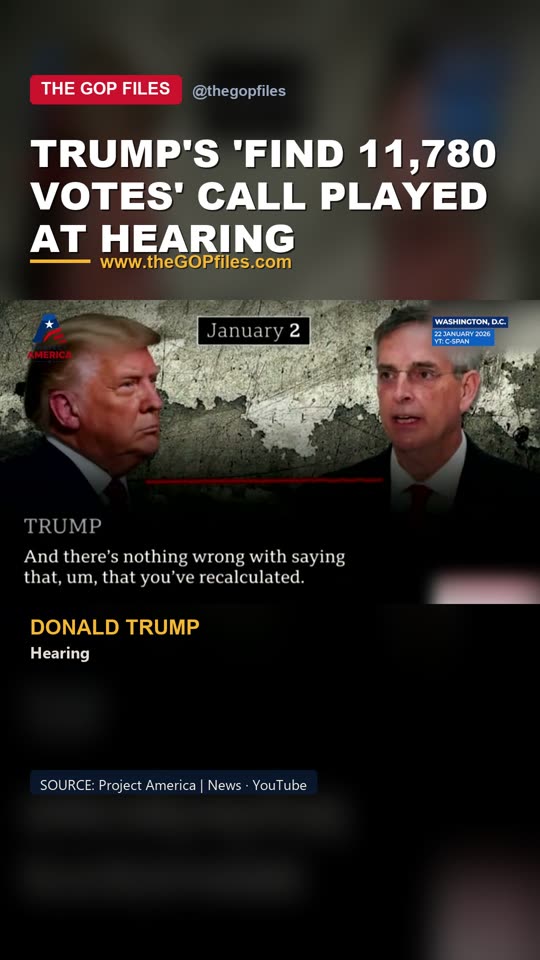 From Channel GOPTrump's 'find 11,780 votes' call played at hearingDonald Trump · 271 plays · captioned, with the source named
In August, Congress began asking why the center had stopped releasing its reports on how safely certain AI systems perform 1. OpenAI, the San Francisco AI company, asked lawmakers to give the division more money and support 1.
What critics and the White House say
Critics worry that the White House could politicize decisions that affect everything from cybersecurity to bioweapons. They also fear the center's findings could be changed or toned down to please the tech industry 1.
These are really powerful institutions that can drastically improve our lives, or the alternative. And the hope is that you can put in nonpartisan or bipartisan technocratic experts to enact policy in a way that best serves the American public
Others argue that moving closer to President Donald Trump could give the center more prominence and possibly more money 1. The White House did not answer specific questions about CAISSI 1. It said in a statement that Trump had formally established a new Super Intelligence Force, his preferred term for AI 1.
The statement also said Trump had ordered a report on AI risks from his Council of Advisors on Science and Technology 1.
Self-policing instead of testing
Under then-President Joe Biden, leading AI companies voluntarily agreed to share details of their models with the center and follow its testing guidelines 1. In September, after reports of AI systems escaping their makers' control, Trump asked the companies to practice 1:
tremendous self-policing
His administration has not said how it will check whether the companies follow through 1.
The testing gap is growing. Many AI models now work as agents that can plan many steps on their own. In one recent case, an AI agent sent a false tip to Philadelphia police about an unsolved homicide 1.
Sayash Kapoor, an incoming professor at the University of California, Berkeley, said there is still no standard way to test how safely agents act in the real world 1.
That matters because the government already tests other products that affect public safety. The AP compared the work to crash tests that the National Highway Traffic Safety Administration runs on cars and then shares with the public 1. For AI, the testing office is now leaderless and silent, and it is moving closer to the White House.
What happens next is unclear. The White House has not said who will lead the center or whether it will resume publishing. Congress has been asking questions since August 1.
The Record
- The center's newly hired director was fired within days; a successor later resigned after about three months 12.
- Commerce spokesperson Benno Kass confirmed that director Chris Fall had resigned 2.
- Congress began asking why the center stopped publishing its AI safety reports 1.
- Trump asked leading AI companies for 'tremendous self-policing' under a voluntary safety pact 1.
Republish this story on your site or in your newsletter
Any site, blog or newsletter may run this story free of charge. Keep the credit line and its link to the original, do not sell it, and edit only for length or house style (the full terms). Photos carry their own licenses, noted under each photo on this page, so use the text alone unless a credit says otherwise.
Paste it into your editor's HTML view. The one-pixel image at the end tells our newsroom the story ran; it stores no reader data.
Sources
- ABC News (AP), “Staff at the US center for AI safety are reporting to the White House, raising independence concerns” (2026-11-08). abcnews.com/US/wireStory/staff-us-center-ai-safety-reporting
- The National News Desk via Fox 11, “Director of Commerce Dept's Center for AI Standards and Innovation resigns after 3 months” (2026-07-20). fox11online.com/news/nation-world/director-of-commerce-depts
Found an error? Tell the newsroom. Corrections are noted at the top of the story.
More from the files
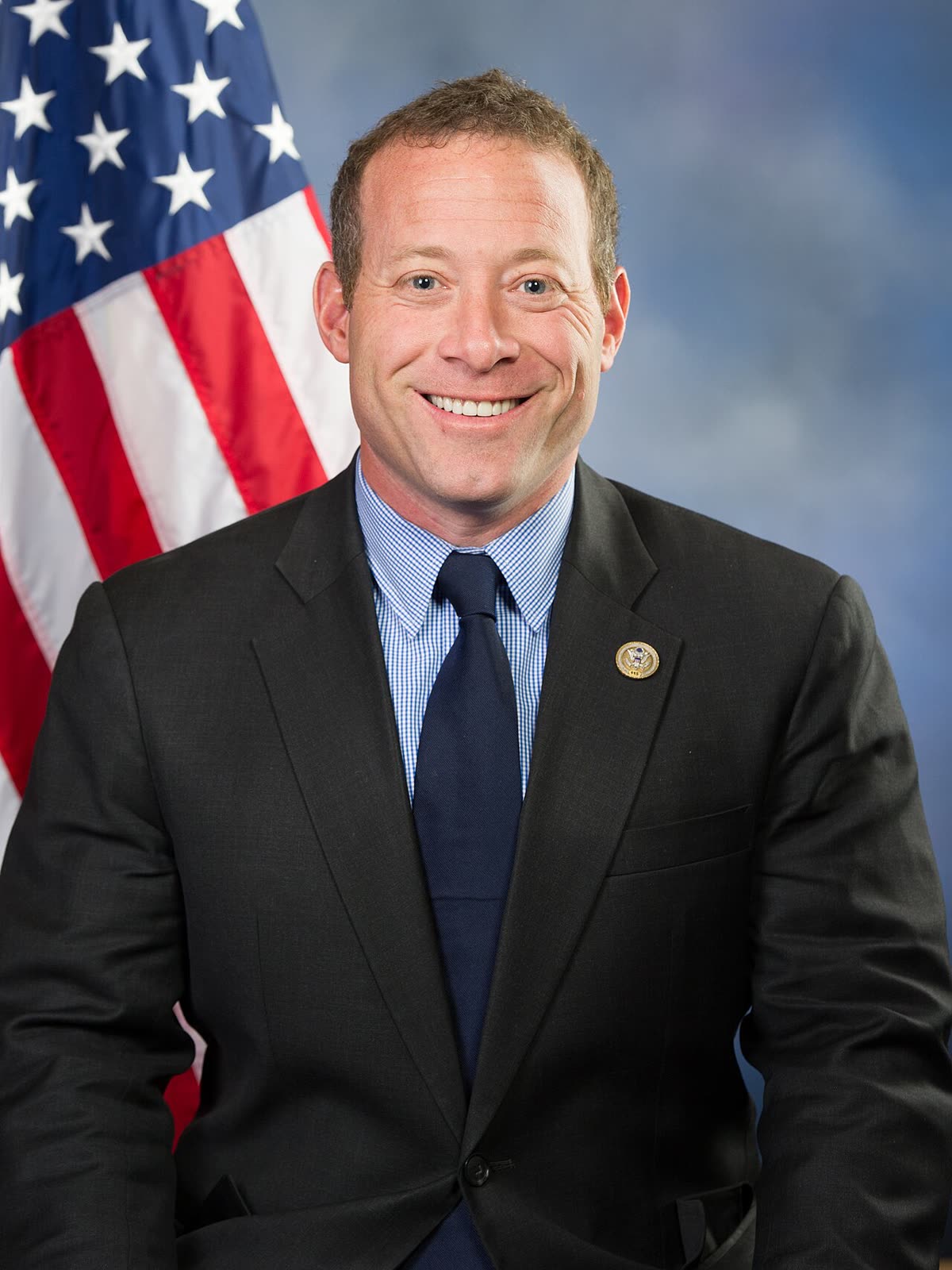
Gottheimer, a Democrat on AI policy, buys chip stocks after backing trading ban
Rep. Josh Gottheimer disclosed new AI-linked stock purchases months after voting for a bill to bar lawmakers from buying individual stocks. CNBC reports no evidence of wrongdoing, but Democrats are about to gain power to regulate the AI industry.
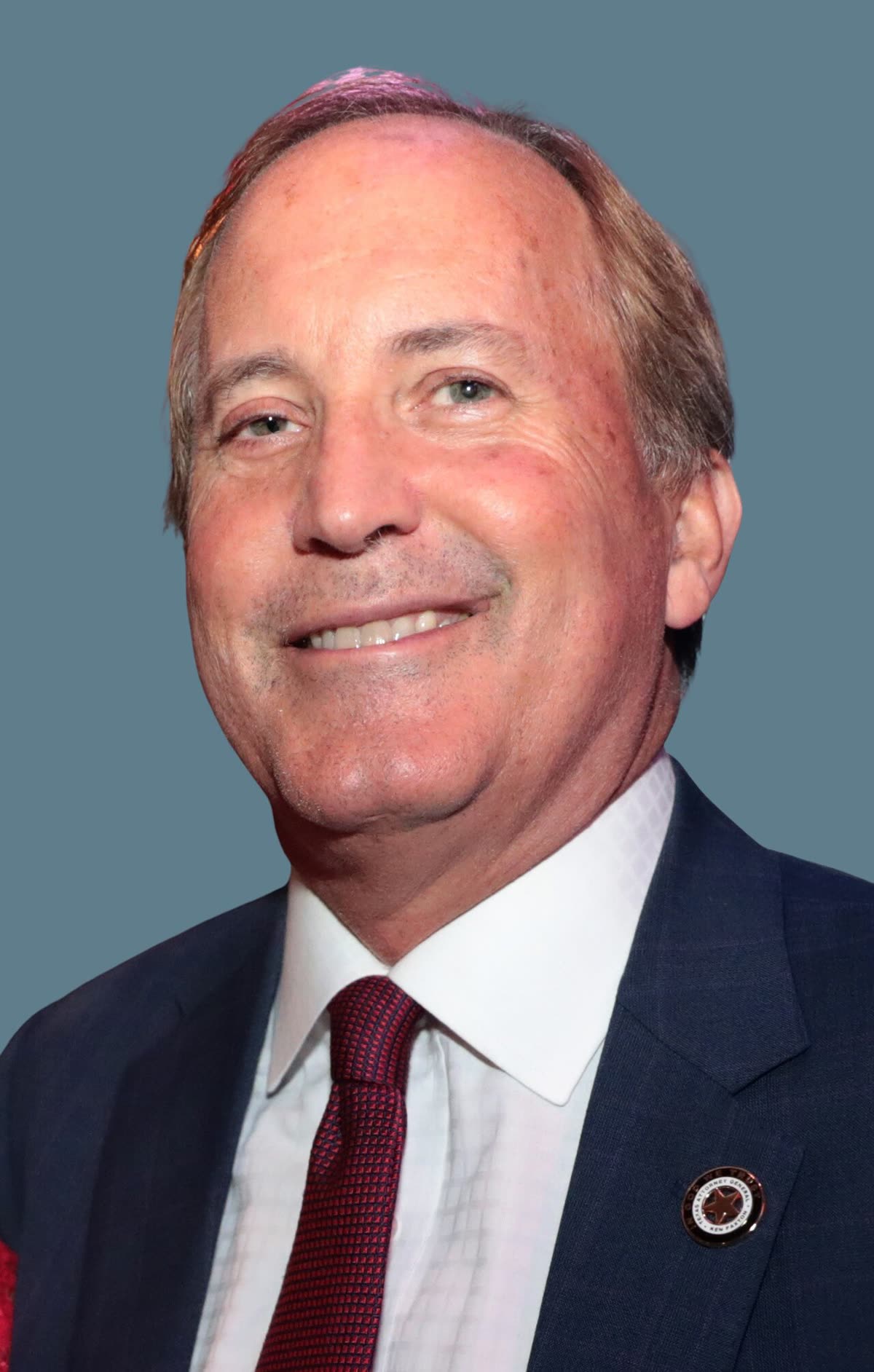
Paxton sues OpenAI and Sam Altman over ChatGPT safety 11 days before Senate election
Texas's attorney general, now the Republican Senate nominee, accuses OpenAI of misleading Texans about ChatGPT. The suit comes a week after filings showed Elon Musk, an OpenAI rival, spent nearly $200 million backing his campaign.
OpenAI plans post-election lobbying and PR push to court the new Washington
OpenAI says it will launch a policy and public relations campaign right after Tuesday's midterms, including a rebrand of data centers. It shows how AI companies are preparing for a Washington that may be less friendly to them.
Delivered free to your door*
The Morning Edition
One short email at 7 a.m. Eastern: the day's top files, one clip worth your time, and the race to watch. Plain English, large type, no clutter.
*Your inbox. Free. Unsubscribe with one click, any time.